Review
. 2022 Sep;150(3):523-534.
doi: 10.1016/j.jaci.2022.07.014.

Gut microbiome and breast-feeding: Implications for early immune development

Affiliations
Review

Gut microbiome and breast-feeding: Implications for early immune development

Erin C Davis et al. J Allergy Clin Immunol. 2022 Sep.

Abstract

Establishment of the gut microbiome during early life is a complex process with lasting implications for an individual's health. Several factors influence microbial assembly; however, breast-feeding is recognized as one of the most influential drivers of gut microbiome composition during infancy, with potential implications for function. Differences in gut microbial communities between breast-fed and formula-fed infants have been consistently observed and are hypothesized to partially mediate the relationships between breast-feeding and decreased risk for numerous communicable and noncommunicable diseases in early life. Despite decades of research on the gut microbiome of breast-fed infants, there are large scientific gaps in understanding how human milk has evolved to support microbial and immune development. This review will summarize the evidence on how breast-feeding broadly affects the composition and function of the early-life gut microbiome and discuss mechanisms by which specific human milk components shape intestinal bacterial colonization, succession, and function.

Keywords: Human milk; IgA; breast-feeding; human milk oligosaccharides; infant immunity; microbiome.


Figures

Fig 1.
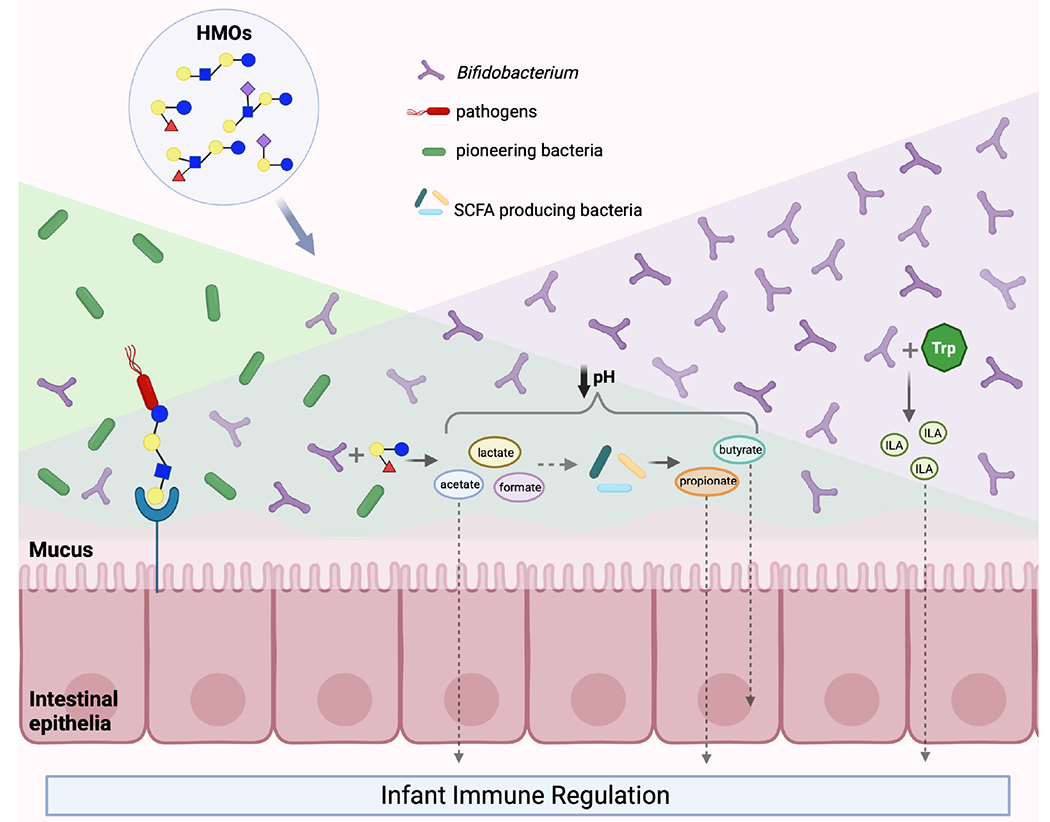
Fig 1.. Human Milk Oligosaccharides (HMO) drive Bifidobacterium colonization and shape the infant metabolome.
HMOs select for and drive colonization of specific Bifidobacterium species within the infant gut microbiome. Bifidobacterium produce acetate, formate, lactate, which can be further metabolized into SCFA by other resident microorganisms. Certain species of Bifidobacterium, such as B. infantis, can metabolize tryptophan into indole-3-lactic acid (ILA), among others. SCFA and ILA can be reabsorbed into the gut epithelium and redistributed to peripheral tissues, influencing the infant immune system through a variety of proposed mechanisms. Figure created with BioRender.com
Figure 2:
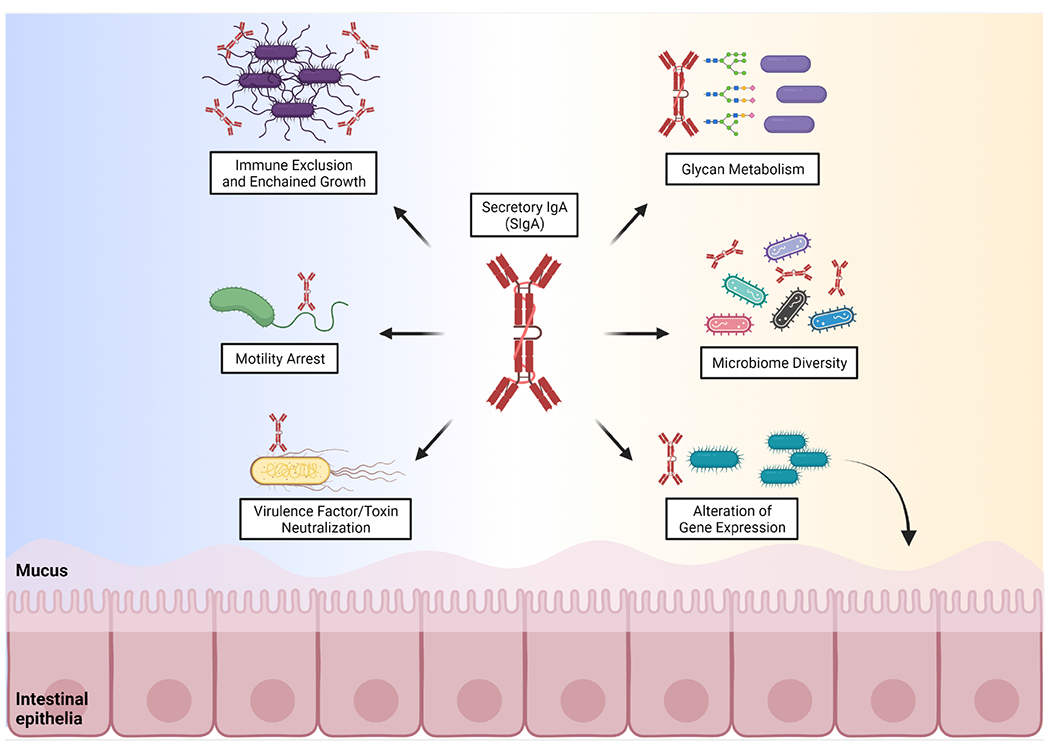
Figure 2:. The biological activities of SIgA.
SIgA antibodies exert unique effector functions depending on the species being interacted with. SIgA mediates immune exclusion and enchained growth, restricts motility, and inhibits expression of toxins and virulence factors to defend against pathogenic organisms. Alternatively, SIgA supports commensal species by altering bacterial gene expression that in turn enhances growth and mucus colonization, supplying glycan residues as nutrients, and promoting overall diversity of the microbiome. Figure adapted from Yang and Palm, 2020. Figure created with BioRender.com
Figure 3:
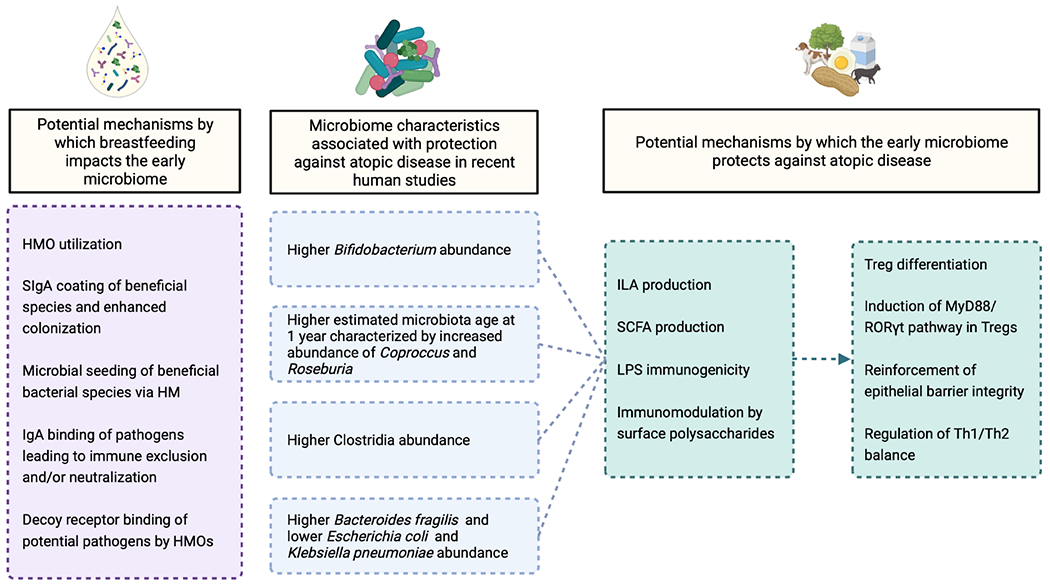
Figure 3:. Potential relationships between breastfeeding, microbiome composition, and protection against atopic disease in early life.
There are multiple potential mechanisms by which human milk components, specifically HMOs, SIgA, and microbiota, may shape the infant microbiome, metabolite production, and early immune development. Recent studies have highlighted differential abundance of several bacterial taxa that discriminate infants who do and do not develop atopic disease, though how breastfeeding specifically mediates these relationships remains unclear. The proposed mechanisms by which the early microbiome protects against atopic disease include metabolite production, such as short-chain fatty acids (SCFA) and indole-3-lactic acid (ILA), LPS immunogenicity and immunomodulation by surface polysaccharides, which can result in downstream Treg differentiation and corresponding induction of pathways associated with oral tolerance, reinforcement of the epithelial barrier, and regulation of Th1/Th2 balance. Figure created with BioRender.com

References

    1. Collado MC, Cernada M, Baüerl C, Vento M & Pérez-Martínez G Microbial ecology and host-microbiota interactions during early life stages. Gut Microbes 3, 352–365 (2012). - PMC - PubMed
    1. Bäckhed F, Roswall J, Peng Y, Feng Q, Jia H, Kovatcheva-Datchary P, et al. Dynamics and Stabilization of the Human Gut Microbiome during the First Year of Life. Cell Host Microbe 17, 690–703 (2015). - PubMed
    1. Wang M, Monaco MH & Donovan SM Impact of early gut microbiota on immune and metabolic development and function. Semin Fetal Neonatal Med 21, 380–387 (2016). - PubMed
    1. Stewart CJ, Ajami NJ, O’Brien JL, Hutchinson DS, Smith DP, Wong MC, et al. Temporal development of the gut microbiome in early childhood from the TEDDY study. Nature 562, 583–588 (2018). - PMC - PubMed
    1. Davis EC, Wang M & Donovan SM The role of early life nutrition in the establishment of gastrointestinal microbial composition and function. Gut Microbes 8, 143–171 (2017). - PMC - PubMed

Publication types