


The Slow Path to Therapeutic Adherence
- PMID: 36081543
- PMCID: PMC9445548
- DOI: 10.1177/00185787221074570
The Slow Path to Therapeutic Adherence
Abstract
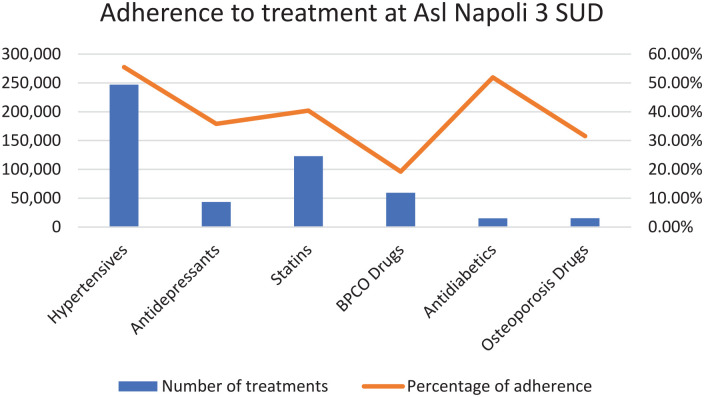
The therapeutic adherence to drug therapies is a crucial aspect for the proper management of chronicity. Over time, we are witnessing the evolution of the concept of adherence: today the patient must play an increasingly active role in the entire process in order for the pharmacological therapy to be fully successful. Poor therapeutic adherence can cause a bad success of the treatment path and, at the same time, lead to higher expenses. In this regard, it is necessary that each health company must undertake dedicated and organized paths. At the Asl Napoli 3 Sud an analysis of adherence in the year 2020 was carried out regarding the major pharmacological classes prescribed: anti-hypertensives, antidepressants, statins, anti-diabetes, and drugs for bpco and osteoporosis. The results show a very poor adherence where, at best, we have an adherence of about 50% of the therapies dispensed. This analysis shows how it is necessary to share actions with doctors and patients themselves to try to stem this phenomenon that is harmful both therapeutically and economically. Thus, it becomes essential to search for possible strategies for improvement and include them in the Diagnostic-Therapeutic-Assistance Pathways (PDTA).
Keywords: adherence; compliance; drugs; pharmacology; treatment.
© The Author(s) 2022.
Conflict of interest statement
Declaration of Conflicting Interests: The author(s) declared no potential conflicts of interest with respect to the research, authorship, and/or publication of this article.
Figures
References
-
- Royal Pharmaceutical Society of Great Britain. From compliance to concordance: towards shared goals in medicine taking. RPS, 1997.
-
- World Health Organization. Adherence to long-term therapies: evidence for action. World Health Organization, 2003.
-
- Ministry of Health. National Chronicity Plan. 2016. Accessed November, 2021. www.salute.gov.it/
Publication types
LinkOut - more resources
Full Text Sources
Research Materials
