


A Study on Glycyrrhiza glabra-Fortified Bread: Predicted Glycemic Index and Bioactive Component
- PMID: 36082190
- PMCID: PMC9448619
- DOI: 10.1155/2022/4669723
A Study on Glycyrrhiza glabra-Fortified Bread: Predicted Glycemic Index and Bioactive Component
Retraction in
-
Retracted: A Study on Glycyrrhiza glabra-Fortified Bread: Predicted Glycemic Index and Bioactive Component.Bioinorg Chem Appl. 2023 Aug 16;2023:9828939. doi: 10.1155/2023/9828939. eCollection 2023. Bioinorg Chem Appl. 2023. PMID: 37621328 Free PMC article.
Abstract
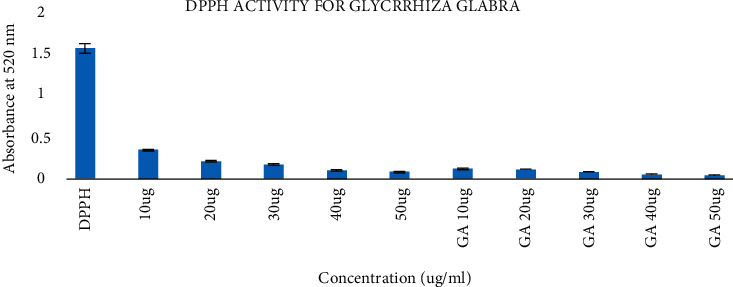
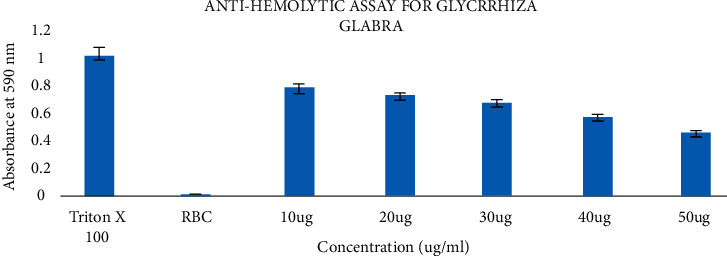
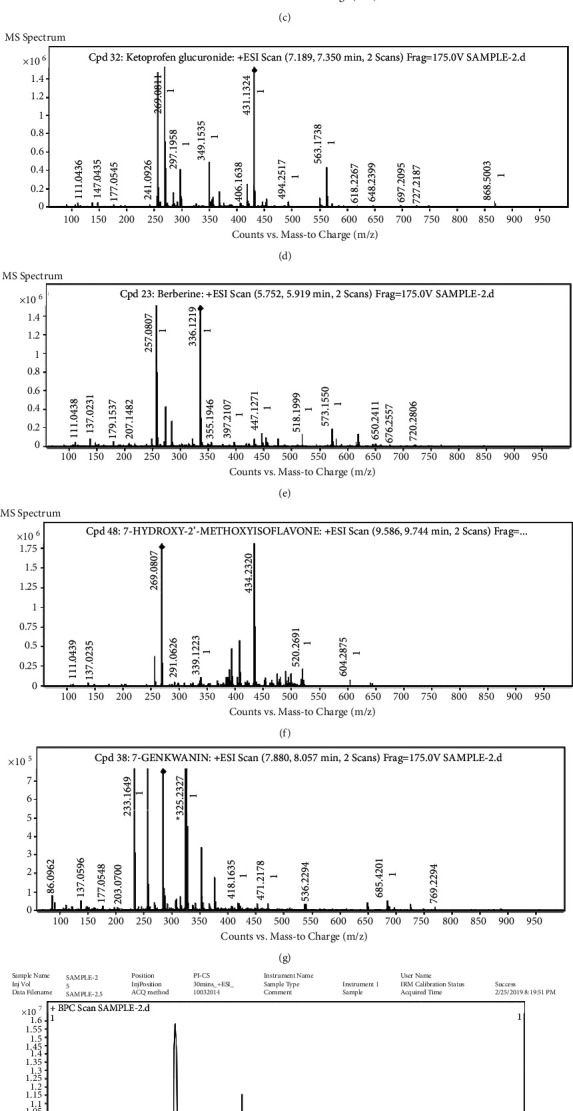
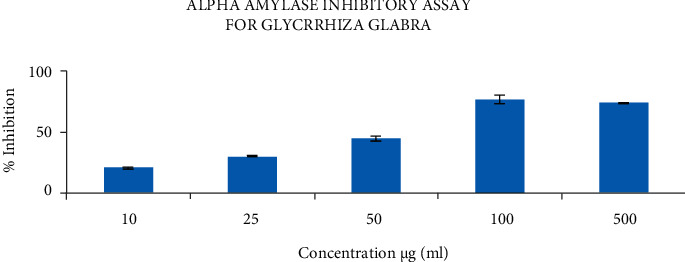
Bread is one of the highest-selling food products throughout the world. Lots of demand arose from the bread producers by the consumers to convert the traditional bread into functional food. In this study, normal bread was converted to functional herbal bread by infusing it with extracts of Glycyrrhiza glabra. The functional components of the Glycyrrhiza glabra were analyzed by liquid chromatography-mass spectroscopy (LCMS). The antioxidant study revealed that the extract has high antioxidant potency. The present study also investigated the antidiabetic potency of the extract. Bread is fortified with various percentages of Glycyrrhiza glabra, such as 2, 4, and 6. The fortified bread was analyzed for various sensory and taste parameters. Biochemical assays such as the in vitro digestibility test and glycaemic index suggest that fortified bread reduces the glycaemic index. From the study, it was inferred that 6% of infused bread was found to have high potency as a functional food when compared to 2 and 4%. From the above study, it was suggested that fortified bread reduces the glycaemic index and is best suited for diabetic people and diet watchers.
Copyright © 2022 M. Prabhahar et al.
Conflict of interest statement
The authors declare that they have no conflicts of interest.
Figures
References
-
- David Barine K. K., Yorte G. S. Invitro starch hydrolysis and prediction of glycemic index (pGI) in “Amala” and plantain based baked products. Journal of Food Research . 2016;5(2):73–80. doi: 10.5539/jfr.v5n2p73. - DOI
-
- Brand - Williams W., Cuvelier M. E., Berset C. Use of a free radical method to evaluate antioxidant activity. LWT—Food Science and Technology . 1995;28(1):25–30. doi: 10.1016/s0023-6438(95)80008-5. - DOI
-
- Bou-Mitri C., Mekanna A. N., Dagher S., Moukarzel S., Farhat A. Occurrence and exposure to glyphosate present in bread and flour products in Lebanon. Food Control . 2022;136 doi: 10.1016/j.foodcont.2022.108894.108894 - DOI
-
- Davis E. A. Wheat starch. Cereal Foods World . 1994;39:34–36.
-
- Aleksandra T., Radosavljević M., Belović M., Djukić N., Marković S. Overview of nature, frequency, and technological role of dietary fiber from cereals and pseudocereals from grain to bread. Carbohydrate Polymers . 2022;290 - PubMed
Publication types
LinkOut - more resources
Full Text Sources
