


To study the current status of uterine adhesions after fetal residue and the preventive effect of using estrogen and progesterone sequential therapy combined with Foley balloon
- PMID: 36086686
- PMCID: PMC10980445
- DOI: 10.1097/MD.0000000000030418
To study the current status of uterine adhesions after fetal residue and the preventive effect of using estrogen and progesterone sequential therapy combined with Foley balloon
Abstract
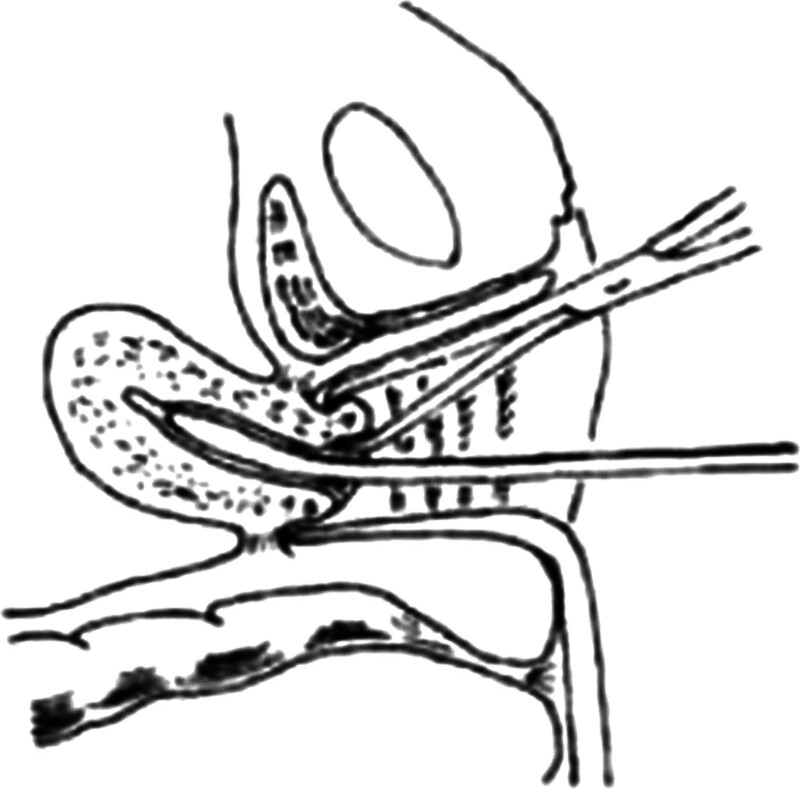
To investigate the current status of uterine adhesions in patients with residual fetus and analyze the preventive effect of estrogen and progesterone sequential therapy combined with Foley balloon. Eighty-six patients with residual fetus were divided into control group and observation group. On the basis of the treatment plan of the control group, the observation group received estrogen and progesterone sequential therapy combined with Floey balloon treatment. Clinical efficacy, postoperative recovery status (abdominal pain duration, vaginal bleeding duration, vaginal bleeding volume, refluid time), the incidence of intrauterine adhesions, uterine hemodynamics (uterine artery systolic maximum blood flow rate [Vmax], end diastolic blood flow rate [Vmin], resistance index [RI]), and the probability of complications were evaluated. Compared with the control group, the observation group achieved higher curative effect (P < .05); the observation group had shorter duration of abdominal pain, vaginal bleeding and refluid time, and lower vaginal bleeding (P < .05); the probability of intrauterine adhesions is lower (P < .05); before treatment, there is little difference in the levels of Vmax, Vmin, RI, and other indicators between the 2 groups (P > .05). After treatment, compared with the control group, the observation group Vmax, Vmin, and other indicators, the level was significantly lower, and the RI level was significantly higher (P < .05); the observation group had a lower probability of complications (P < .05). The likelihood of uterine adhesions after fetal remains is increased. The use of estrogen and progesterone sequential therapy in conjunction with Foley balloon therapy can improve treatment efficacy, improve uterine adhesion prevention, and promote patient recovery after surgery.
Copyright © 2022 the Author(s). Published by Wolters Kluwer Health, Inc.
Conflict of interest statement
The authors have no funding and conflicts of interest to disclose.
Figures

References
-
- Le Gallee M, Lee S, Spence AR, et al. . Association between first-trimester bleeding and retained placenta requiring dilatation and curettage. J Obstet Gynaecol Can. 2021;43:463–8. - PubMed
-
- Levin G, Safrai M, Dior UP, et al. . Intraoperative ultrasound guidance during curettage after second-trimester delivery is associated with a higher rate of complications. J Obstet Gynaecol Can. 2020;42:1080–5. - PubMed
-
- Cirrincione LR, Winston McPherson G, Rongitsch J, et al. . Sublingual estradiol is associated with higher estrone concentrations than transdermal or injectable preparations in transgender women and gender nonbinary adults. LGBT Health. 2021;8:125–32. - PubMed
MeSH terms
Substances
LinkOut - more resources
Full Text Sources
Medical
