


Influence of Heat Stress on Intestinal Epithelial Barrier Function, Tight Junction Protein, and Immune and Reproductive Physiology
- PMID: 36093404
- PMCID: PMC9458360
- DOI: 10.1155/2022/8547379
Influence of Heat Stress on Intestinal Epithelial Barrier Function, Tight Junction Protein, and Immune and Reproductive Physiology
Abstract
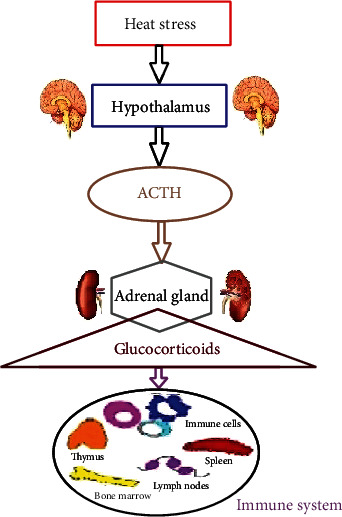
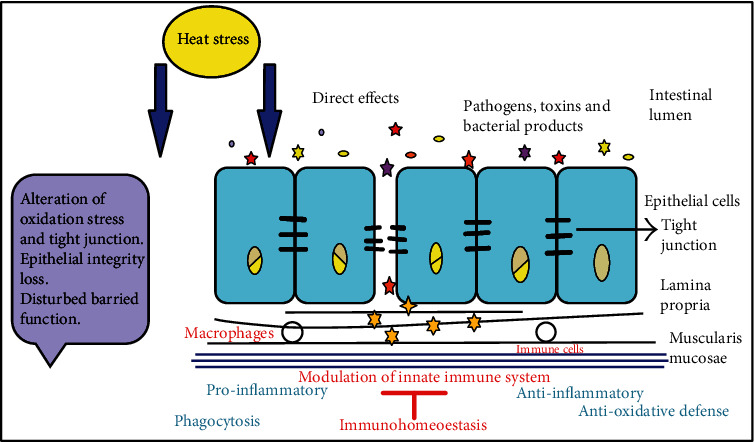
The potential threat of global warming in the 21st century is on the ecosystem through many aspects, including the negative impact of rising global temperature on the health of humans and animals, especially domestic animals. The damage caused by heat stress to animals has been more and more significant as the worldwide climate continues to rise, along with the breeding industry's expanding scale and stocking density, and it has become the most important stress-causing factor in southern China. In this review, we described the effects of heat stress on animal immune organs and immune system. The much-debated topic is how hyperthermia affects the tight junction barrier. Heat stress also induces inflammation in the body of animals causing low body weight and loss of appetite. This review also discussed that heat stress leads to hepatic disorder, and it also damages the intestine. The small intestine experiences ischemia, and the permeability of the intestine increases. Furthermore, the oxidative stress and mitogen-activated protein kinase (MAPK) pathways have a significant role in stress-induced cellular and organ injury. The study has shown that MAPK activity in the small intestine was increased by heat stress. Heat stress caused extreme small intestine damage, enhanced oxidative stress, and activated MAPK signaling pathways.
Copyright © 2022 Sahar Ghulam Mohyuddin et al.
Conflict of interest statement
The authors declare no conflict of interest.
Figures
References
-
- Dudhatra G. B. Biochemica and physiological changes during thermal stress in bovines. Journal of Veterinary Science & Technology . 2013;4(1)
Publication types
MeSH terms
Substances
LinkOut - more resources
Full Text Sources
