


Nanoparticle-mediated transgene expression of insulin-like growth factor 1 in the growth restricted guinea pig placenta increases placenta nutrient transporter expression and fetal glucose concentrations
- PMID: 36094907
- PMCID: PMC10947605
- DOI: 10.1002/mrd.23644
Nanoparticle-mediated transgene expression of insulin-like growth factor 1 in the growth restricted guinea pig placenta increases placenta nutrient transporter expression and fetal glucose concentrations
Abstract
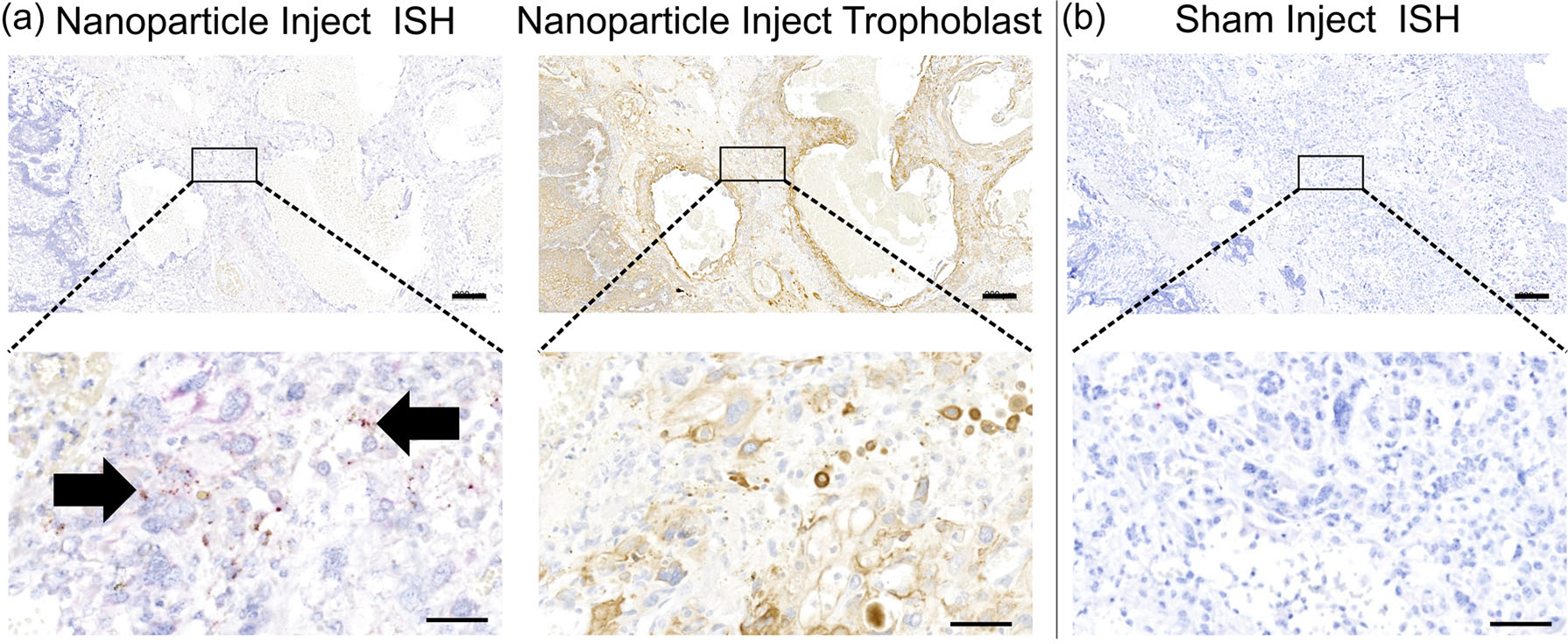
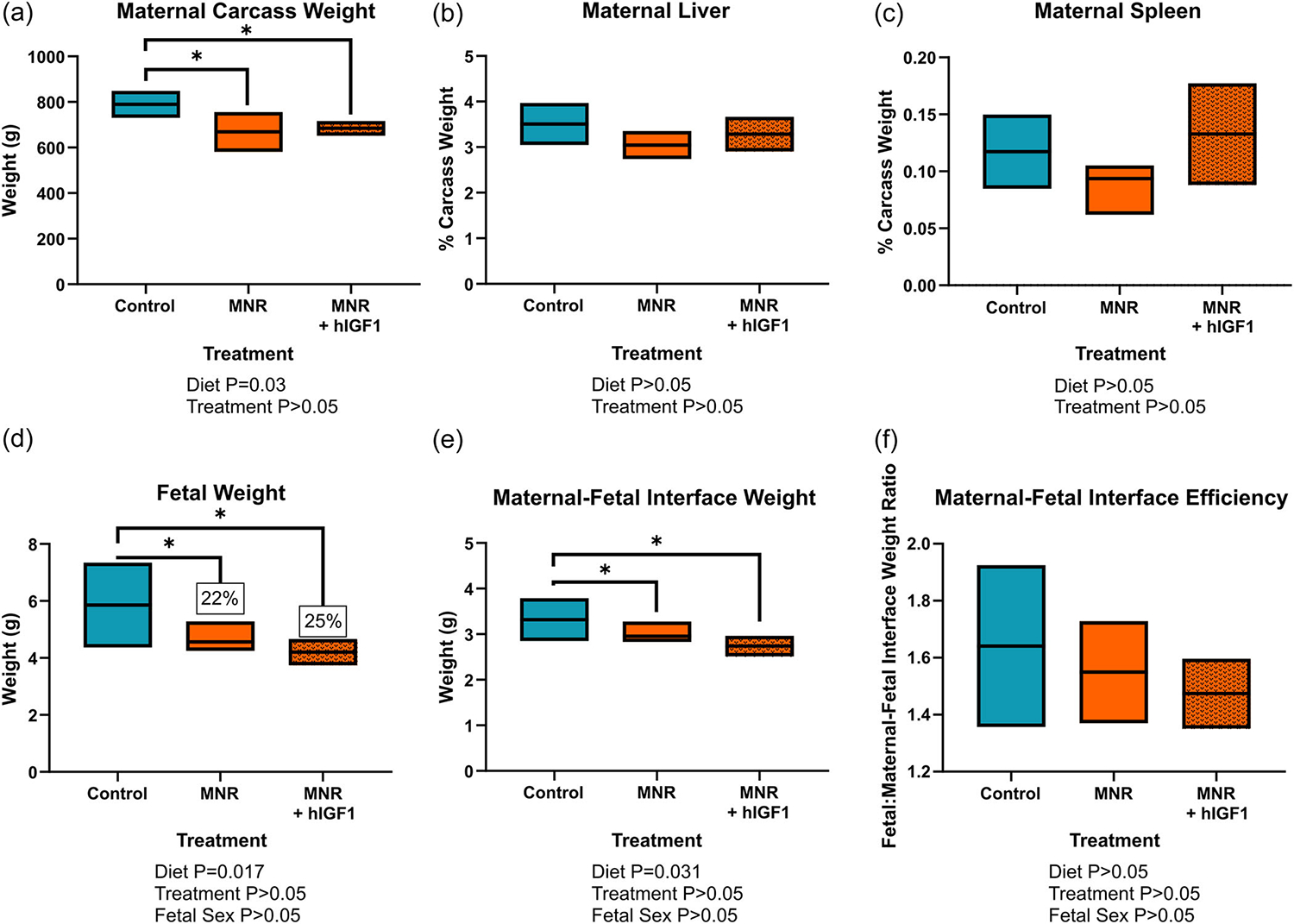
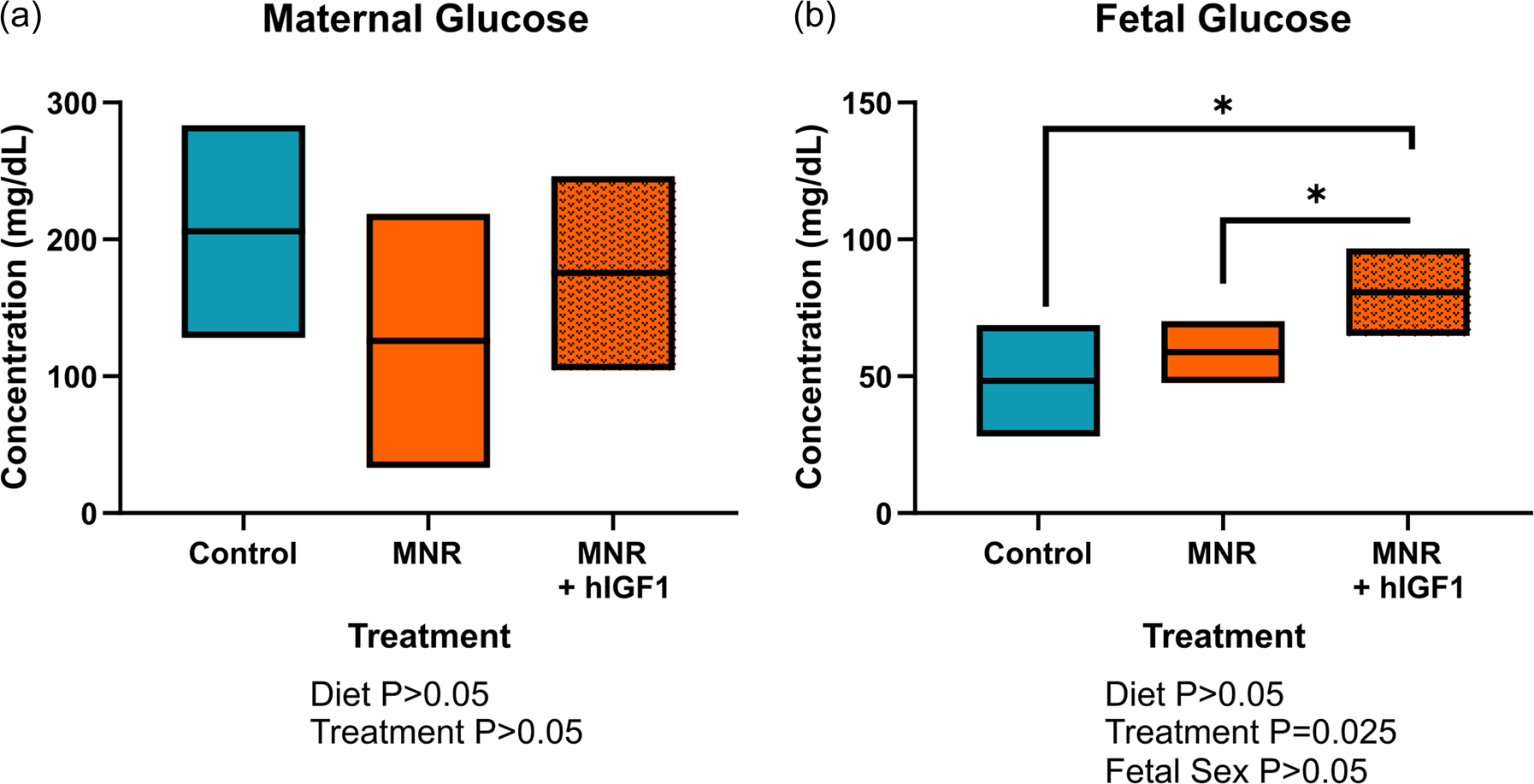
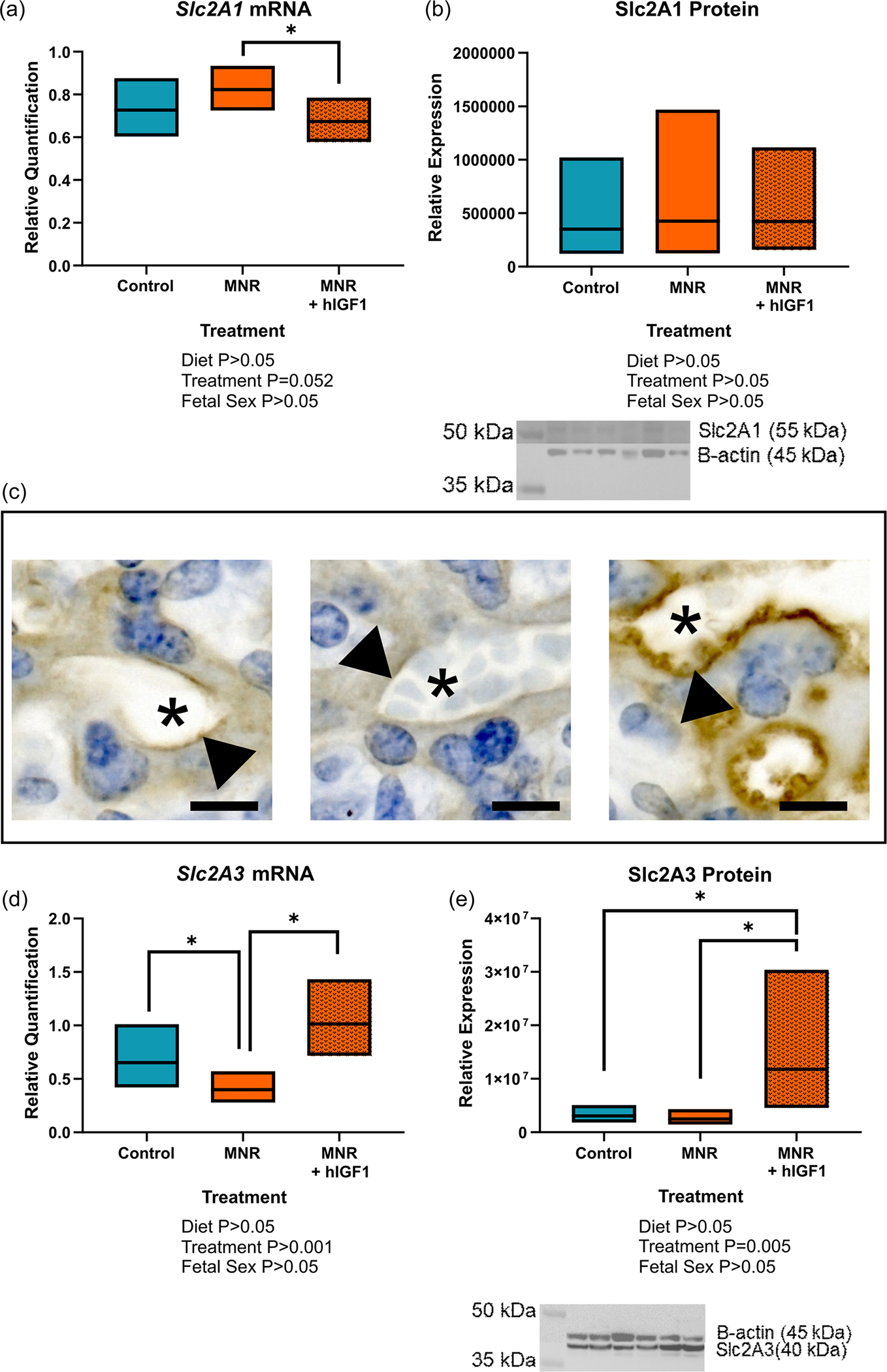
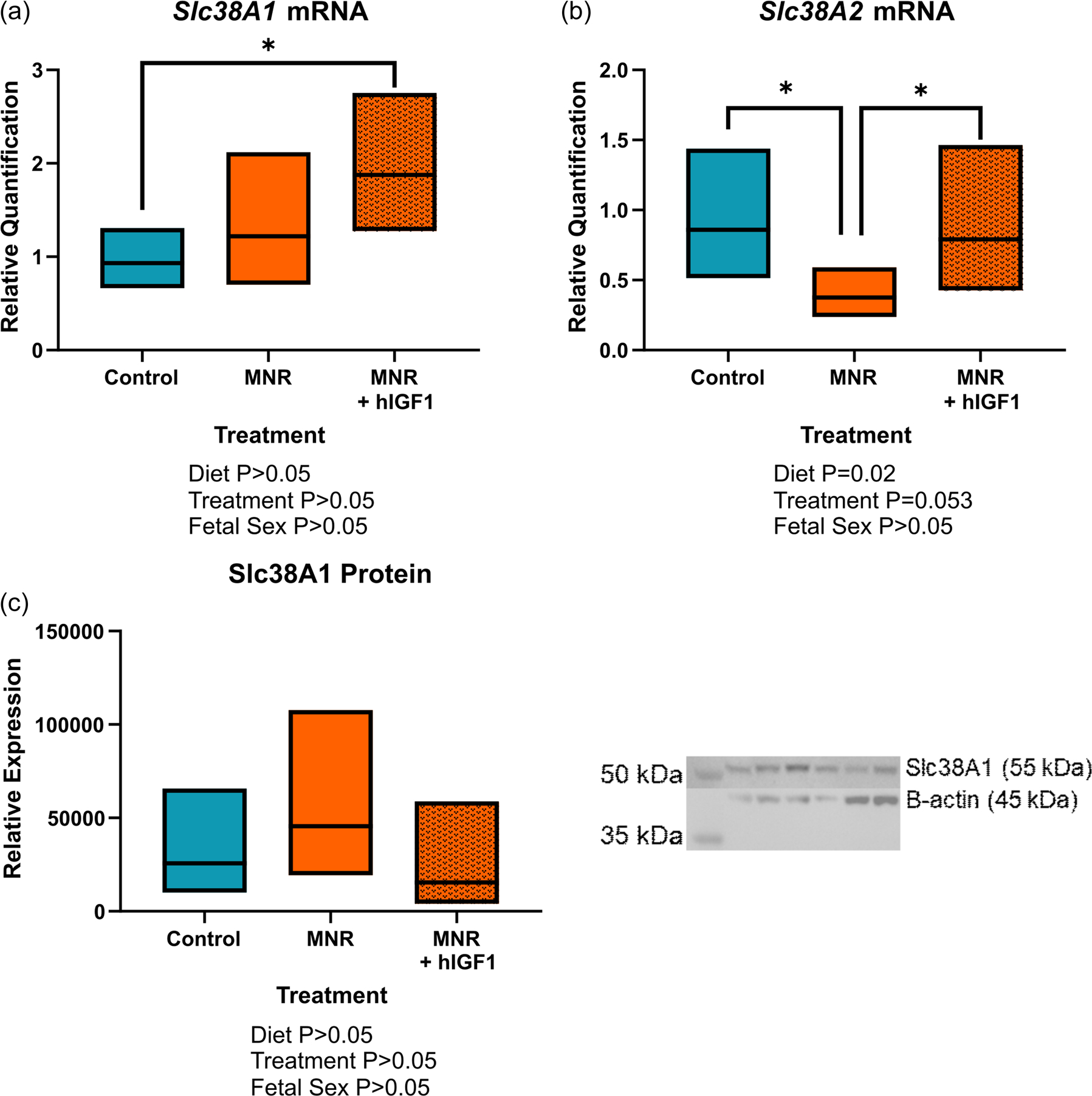
Fetal growth restriction (FGR) significantly contributes to neonatal and perinatal morbidity and mortality. Currently, there are no effective treatment options for FGR during pregnancy. We have developed a nanoparticle gene therapy targeting the placenta to increase expression of human insulin-like growth factor 1 (hIGF1) to correct fetal growth trajectories. Using the maternal nutrient restriction guinea pig model of FGR, an ultrasound-guided, intraplacental injection of nonviral, polymer-based hIGF1 nanoparticle containing plasmid with the hIGF1 gene and placenta-specific Cyp19a1 promotor was administered at mid-pregnancy. Sustained hIGF1 expression was confirmed in the placenta 5 days after treatment. Whilst increased hIGF1 did not change fetal weight, circulating fetal glucose concentration were 33%-67% higher. This was associated with increased expression of glucose and amino acid transporters in the placenta. Additionally, hIGF1 nanoparticle treatment increased the fetal capillary volume density in the placenta, and reduced interhaemal distance between maternal and fetal circulation. Overall, our findings, that trophoblast-specific increased expression of hIGF1 results in changes to glucose transporter expression and increases fetal glucose concentrations within a short time period, highlights the translational potential this treatment could have in correcting impaired placental nutrient transport in human pregnancies complicated by FGR.
Keywords: fetal growth restriction; insulin-like 1 growth factor; placenta; pregnancy; therapeutic.
© 2022 Wiley Periodicals LLC.
Conflict of interest statement
CONFLICTS OF INTEREST
The authors declare no conflicts of interest.
Figures

References
-
- Abd Ellah NH, Potter SJ, Taylor L, Ayres N, Elmahdy MM, Fetih GN, & Pauletti GM (2014). Safety and efficacy of amine-containing methacrylate polymers as nonviral gene delivery vectors. Journal of Pharmaceutical Technology & Drug Research, 3(2), 7243.
-
- Alinejad V, Hossein Somi M, Baradaran B, Akbarzadeh P, Atyabi F, Kazerooni H, Samadi Kafil H, Aghebati Maleki L, Siah Mansouri H, & Yousefi M (2016). Co-delivery of IL17RB siRNA and doxorubicin by chitosan-based nanoparticles for enhanced anticancer efficacy in breast cancer cells. Biomedicine & Pharmacotherapy, 83, 229–240. 10.1016/j.biopha.2016.06.037 - DOI - PubMed
Publication types
MeSH terms
Substances
Grants and funding
LinkOut - more resources
Full Text Sources
Miscellaneous
