


The glycocalyx as a permeability barrier: basic science and clinical evidence
- PMID: 36096866
- PMCID: PMC9469578
- DOI: 10.1186/s13054-022-04154-2
The glycocalyx as a permeability barrier: basic science and clinical evidence
Abstract
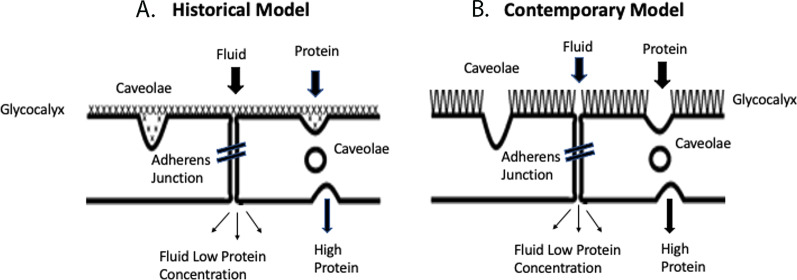
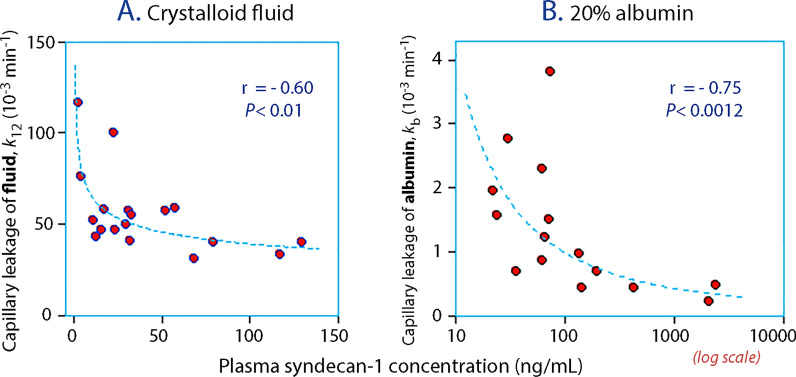
Preclinical studies in animals and human clinical trials question whether the endothelial glycocalyx layer is a clinically important permeability barrier. Glycocalyx breakdown products in plasma mostly originate from 99.6-99.8% of the endothelial surface not involved in transendothelial passage of water and proteins. Fragment concentrations correlate poorly with in vivo imaging of glycocalyx thickness, and calculations of expected glycocalyx resistance are incompatible with measured hydraulic conductivity values. Increases in plasma breakdown products in rats did not correlate with vascular permeability. Clinically, three studies in humans show inverse correlations between glycocalyx degradation products and the capillary leakage of albumin and fluid.
Keywords: Anesthesia; Capillaries; Fluid kinetics; Glycocalyx; Human studies; Permeability; Translational research.
© 2022. The Author(s).
Conflict of interest statement
The authors declare that they have no competing interests.
Figures
References
Publication types
MeSH terms
Substances
LinkOut - more resources
Full Text Sources
