


Change in the pituitary stalk deviation angle after transsphenoidal surgery can predict the development of diabetes insipidus for pituitary adenomas
- PMID: 36103145
- PMCID: PMC9641766
- DOI: 10.1530/EC-22-0187
Change in the pituitary stalk deviation angle after transsphenoidal surgery can predict the development of diabetes insipidus for pituitary adenomas
Abstract
Purpose: We aimed to assess the factors influencing the development of diabetes insipidus after transsphenoidal surgery for pituitary adenomas.
Methods: A retrospective analysis was conducted on the clinical data of patients with pituitary adenomas who underwent transsphenoidal surgery. The predictors of postoperative diabetes insipidus were determined using statistical analysis.
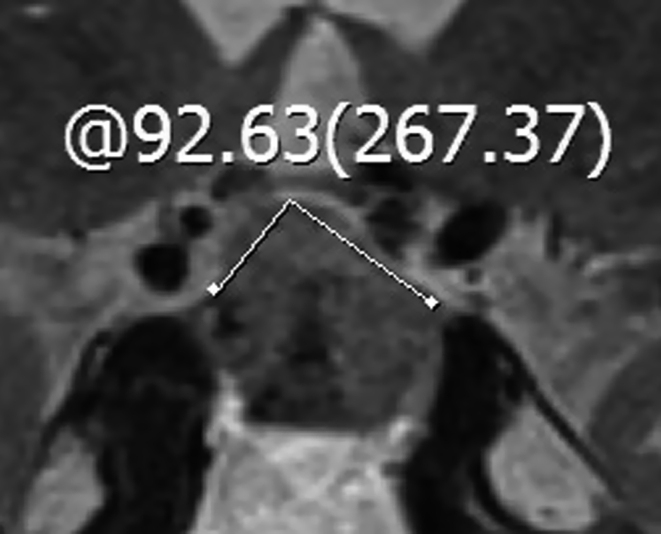
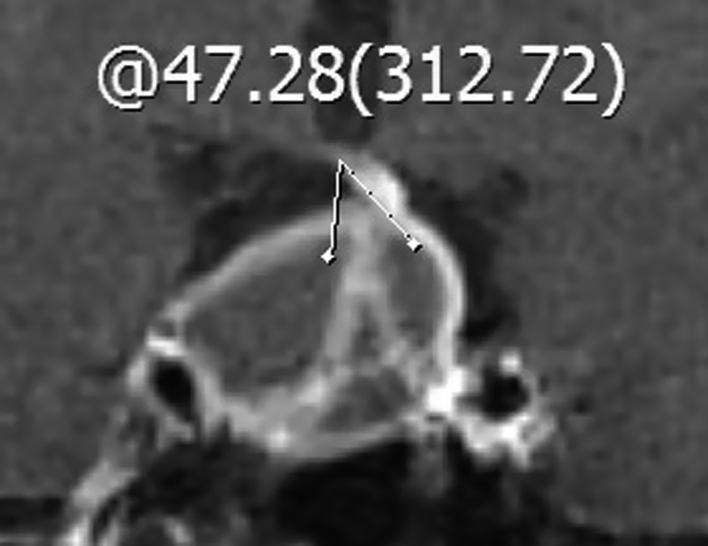
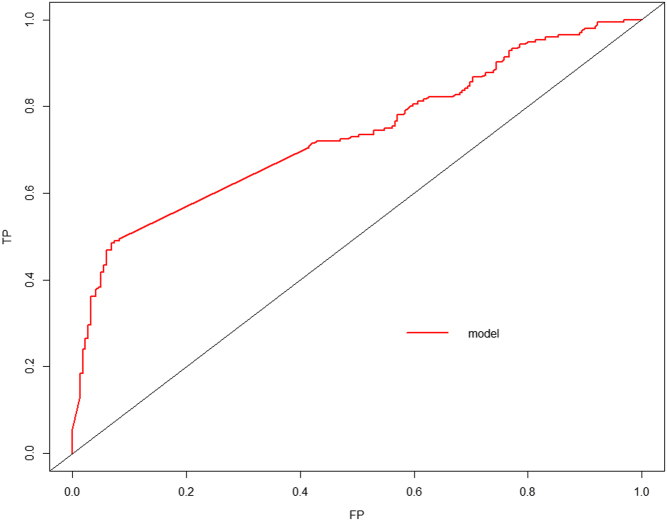
Results: Of the 415 patients who underwent microscopic transsphenoidal surgery for pituitary adenomas, 196 experienced postoperative diabetes insipidus. The sinking depth of the diaphragma sellae and the difference between the preoperative and postoperative pituitary stalk deviation angles in the diabetes insipidus group were greater than those in the non-diabetes insipidus group. Logistic regression analysis showed that the risk of diabetes insipidus after transsphenoidal surgery was higher in patients with a larger difference in their pituitary stalk deviation angles (odds ratio = 2.407, 95% CI = 1.335-4.342; P = 0.004).
Conclusion: The difference in the pituitary stalk deviation angle could predict the onset of diabetes insipidus after transsphenoidal surgery for pituitary adenomas.
Keywords: diabetes insipidus; diaphragma sellae; pituitary adenomas; pituitary stalk; transsphenoidal surgery.
Figures

References
-
- Araujo-Castro M, Mariño-Sánchez F, Acitores Cancela A, García Fernández A, García Duque S, Rodríguez Berrocal V. Is it possible to predict the development of diabetes insipidus after pituitary surgery? Study of 241 endoscopic transsphenoidal pituitary surgeries. Journal of Endocrinological Investigation 2021441457–1464. ( 10.1007/s40618-020-01448-6) - DOI - PubMed
LinkOut - more resources
Full Text Sources
