


Fetal Arrhythmia Diagnosis and Pharmacologic Management
- PMID: 36106782
- PMCID: PMC9543141
- DOI: 10.1002/jcph.2129
Fetal Arrhythmia Diagnosis and Pharmacologic Management
Abstract
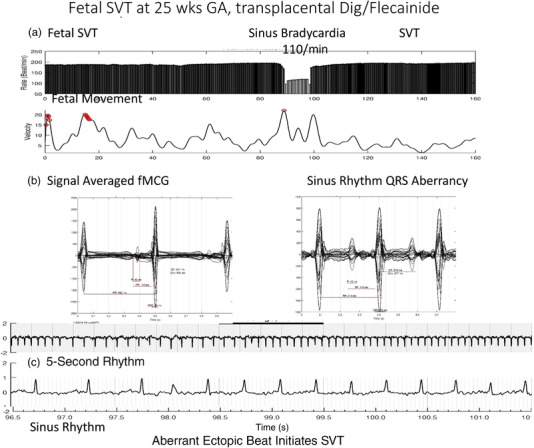
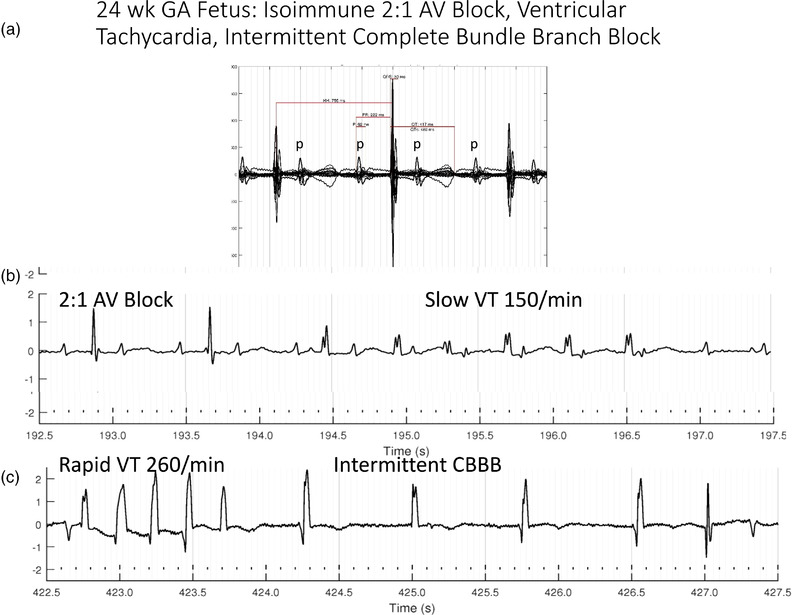
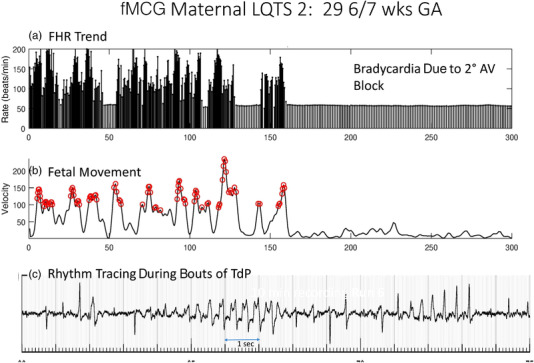
One of the most successful achievements of fetal intervention is the pharmacologic management of fetal arrhythmias. This management usually takes place during the second or third trimester. While most arrhythmias in the fetus are benign, both tachy- and bradyarrhythmias can lead to fetal hydrops or cardiac dysfunction and require treatment under certain conditions. This review will highlight precise diagnosis by fetal echocardiography and magnetocardiography, the 2 primary means of diagnosing fetuses with arrhythmia. Additionally, transient or hidden arrhythmias such as bundle branch block, QT prolongation, and torsades de pointes, which can lead to cardiomyopathy and sudden unexplained death in the fetus, may also need pharmacologic treatment. The review will address the types of drug therapies; current knowledge of drug usage, efficacy, and precautions; and the transition to neonatal treatments when indicated. Finally, we will highlight new assessments, including the role of the nurse in the care of fetal arrhythmias. The prognosis for the human fetus with arrhythmias continues to improve as we expand our ability to provide intensive care unit-like monitoring, to better understand drug treatments, to optimize subsequent pregnancy monitoring, to effectively predict timing for delivery, and to follow up these conditions into the neonatal period and into childhood. Coordinated initiatives that facilitate clinical fetal research are needed to address gaps in knowledge and to facilitate fetal drug and device development.
Keywords: antiarrhythmic drugs; arrhythmia; congenital heart block; fetal arrhythmia; fetal echocardiography; fetal magnetocardiography; fetal pharmacology; fetal tachycardia; long QT syndrome; torsades de pointes.
© 2022 The Authors. The Journal of Clinical Pharmacology published by Wiley Periodicals LLC on behalf of American College of Clinical Pharmacology.
Conflict of interest statement
J.S. receives salary support from National Institutes of Health RO1HL143485 and RO1HL063174. P.N. is employed by Baxter International, Inc. The remaining authors declare no conflicts of interest.
Figures
References
-
- Miyoshi T, Maeno Y, Hamasaki T, et al. Antenatal therapy for fetal supraventricular tachyarrhythmias: multicenter trial. J Am Coll Cardiol. 2019;74:874‐885. - PubMed
-
- Parilla B, Strasburger J, Socol M. Fetal supraventricular tachycardia complicated by hydrops fetalis: a role for direct fetal intramuscular therapy. Am J Perinatol. 1996;13:483‐486. - PubMed
-
- Bourget P, Pons JC, Delouis C, Fermont L, Frydman R. Flecainide distribution, transplacental passage, and accumulation in the amniotic fluid during the third trimester of pregnancy. Ann Pharmacother. 1994;28:1031‐1034. - PubMed
Publication types
MeSH terms
Grants and funding
LinkOut - more resources
Full Text Sources
Medical
