


Association between arterial hypertension and liver outcomes using polygenic risk scores: a population-based study
- PMID: 36114231
- PMCID: PMC9481629
- DOI: 10.1038/s41598-022-20084-z
Association between arterial hypertension and liver outcomes using polygenic risk scores: a population-based study
Abstract
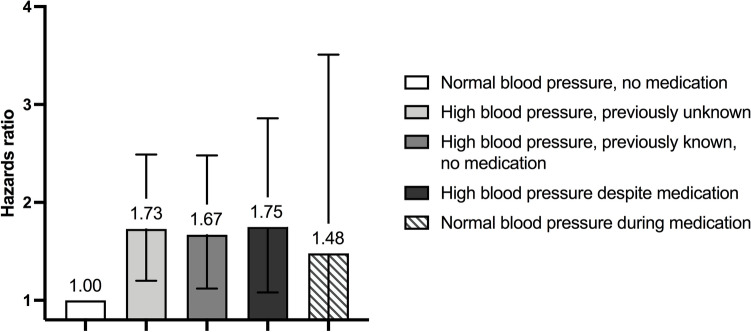
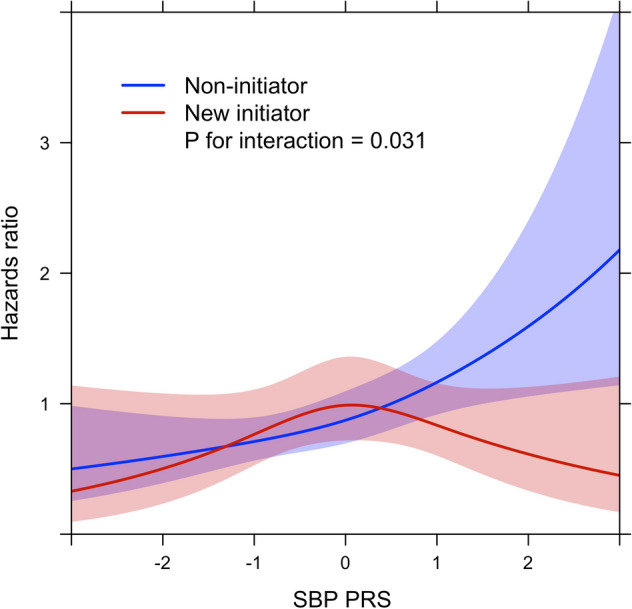
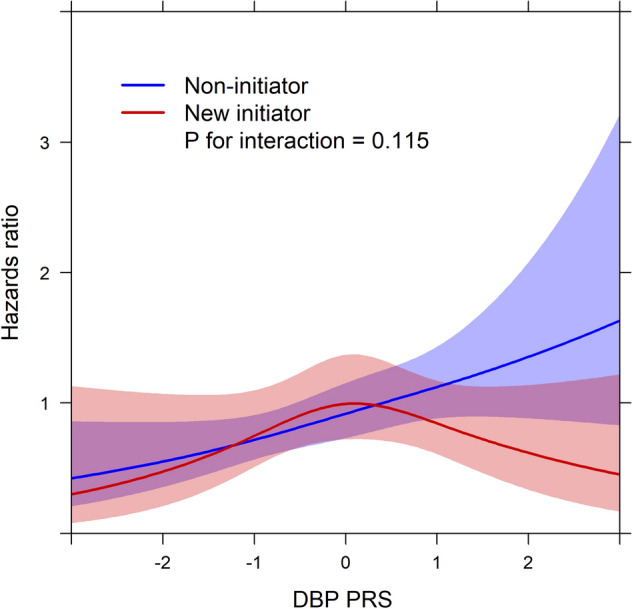
Arterial hypertension (HTA) is associated with liver disease, but causality remains unclear. We investigated whether genetic predisposition to HTA is associated with liver disease in the population, and if antihypertensive medication modifies this association. Participants of the Finnish health-examination surveys, FINRISK 1992-2012 and Health 2000 (n = 33,770), were linked with national electronic healthcare registers for liver-related outcomes (K70-K77, C22.0) and with the drug reimbursement registry for new initiation of antihypertensive medication during follow-up. Genetic predisposition to HTA was defined by polygenic risk scores (PRSs). During a median 12.9-year follow-up (409,268.9 person-years), 441 liver-related outcomes occurred. In the fully-adjusted Cox-regression models, both measured systolic blood pressure and clinically defined HTA were associated with liver-related outcomes. PRSs for systolic and diastolic blood pressure were significantly associated with liver-related outcomes (HR/SD 1.19, 95% CI 1.01-1.24, and 1.12, 95% CI 1.01-1.25, respectively). In the highest quintile of the systolic blood pressure PRS, new initiation of antihypertensive medication was associated with reduced rates of liver-related outcomes (HR 0.55, 95% CI 0.31-0.97). HTA and a genetic predisposition for HTA are associated with liver-related outcomes in the population. New initiation of antihypertensive medication attenuates this association in persons with high genetic risk for HTA.
© 2022. The Author(s).
Conflict of interest statement
The authors declare no competing interests.
Figures
References
Publication types
MeSH terms
Substances
LinkOut - more resources
Full Text Sources
Medical
