Review
. 2022 Dec;19(12):695-707.
doi: 10.1038/s41585-022-00647-5. Epub 2022 Sep 20.

Mechanisms of the intestinal and urinary microbiome in kidney stone disease

Affiliations
Review

Mechanisms of the intestinal and urinary microbiome in kidney stone disease

Aaron W Miller et al. Nat Rev Urol. 2022 Dec.

Abstract

Kidney stone disease affects ~10% of the global population and the incidence continues to rise owing to the associated global increase in the incidence of medical conditions associated with kidney stone disease including, for example, those comprising the metabolic syndrome. Considering that the intestinal microbiome has a substantial influence on host metabolism, that evidence has suggested that the intestinal microbiome might have a role in maintaining oxalate homeostasis and kidney stone disease is unsurprising. In addition, the discovery that urine is not sterile but, like other sites of the human body, harbours commensal bacterial species that collectively form a urinary microbiome, is an additional factor that might influence the induction of crystal formation and stone growth directly in the kidney. Collectively, the microbiomes of the host could influence kidney stone disease at multiple levels, including intestinal oxalate absorption and direct crystal formation in the kidneys.


Figures

Fig. 1 ∣
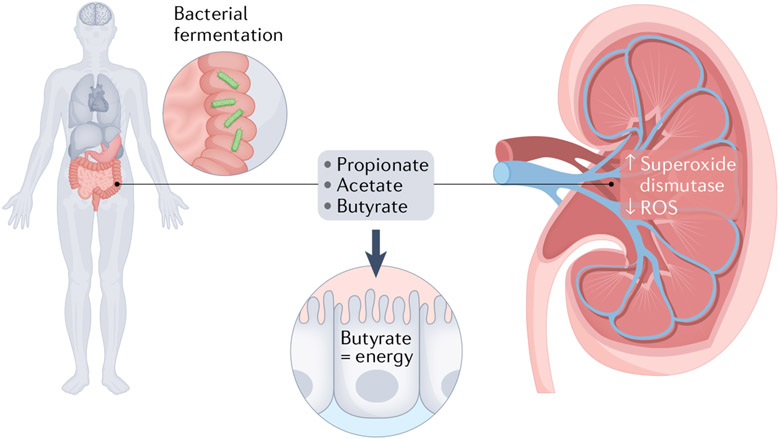
Fig. 1 ∣. The effect of short-chain fatty acids on mechanisms that might affect oxalate absorption and mechanisms of stone formation.
Short-chain fatty acids (SFCAs) are products of intestinal microbial fermentation of indigestible foods and include propionate, acetate and butyrate. These SCFAs are the main energy source of colonocytes, making them a key determinant of intestinal epithelial layer health. In addition, SCFAs in the gut have distant effects on the kidney, including the production of reactive oxygen species (ROS), which have been implicated in renal changes that trigger the initiation of crystal formation.
Fig. 2 ∣
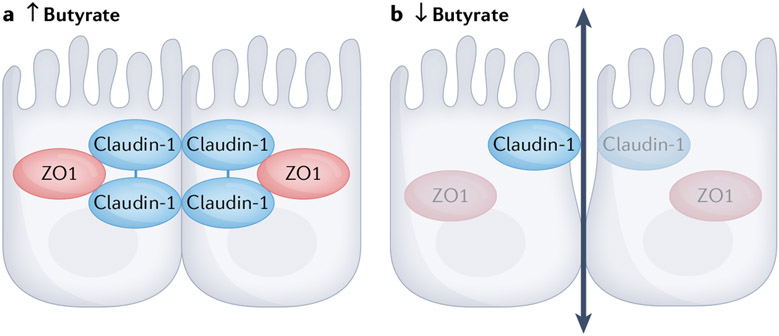
Fig. 2 ∣. The role of butyrate in regulating intestinal epithelial cell tight junctions.
Butyrate regulates the expression of genes encoding tight junction proteins, including claudin-1 and zonula occludens 1 (ZO1), and regulates the distribution of occludins. In the presence of high levels of butyrate, the expression of tight junction proteins and distribution of occludins is such that tight junctions are well formed. In an environment where butyrate levels are low, decreased expression of key proteins that form tight junctions causes the junctions to loosen and increases absorption.
Fig. 3 ∣
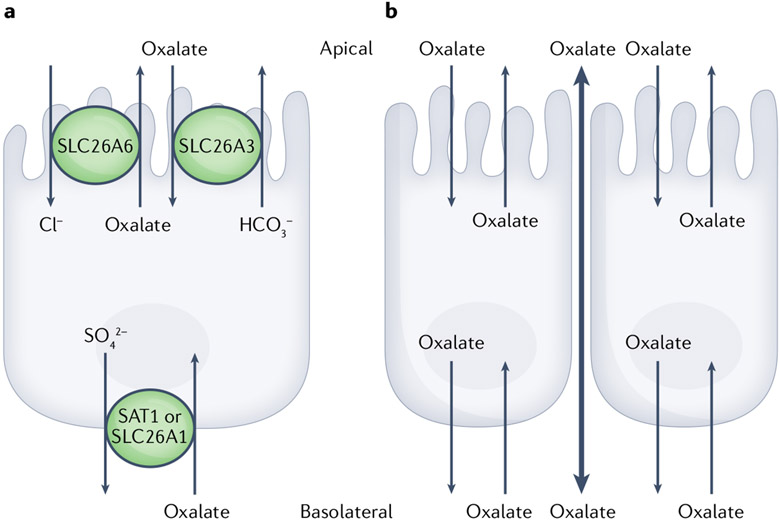
Fig. 3 ∣. Oxalate transport across intestinal epithelium.
Oxalate absorption and secretion across the intestinal epithelium occur via transcellular (through cells) and paracellular (between cells) mechanisms. Transcellular oxalate absorption and secretion involve transporters found on the apical (lumen of intestine) and basolateral (circulation) sides of the intestinal epithelial layer. For absorption, dietary oxalate enters intestinal epithelial cells on the apical side via SLC26A3 and exits into the circulation via a transport mechanism that remains to be elucidated, but might include SLC26A3. Secretion of oxalate from the circulation back into the lumen of the intestine occurs via SLC26A1 on the basolateral side and SLC26A6 on the apical side of the membrane. Paracellular transport of oxalate is passive and occurs through the tight junctions of the cells on the basolateral side via SLC26A3 and SLC26A6.

References

    1. Cho I & Blaser MJ The human microbiome: at the interface of health and disease. Nat. Rev. Genet 13, 260–270 (2012). - PMC - PubMed
    1. Malla MA et al. Exploring the human microbiome: the potential future role of next-generation sequencing in disease diagnosis and treatment. Front. Immunol 9, 2868 (2018). - PMC - PubMed
    1. NIH Human Microbiome Portfolio Analysis Team. A review of 10 years of human microbiome research activities at the US National Institutes of Health, fiscal years 2007–2016. Microbiome 7, 31 (2019). - PMC - PubMed
    1. Clarke G. et al. Minireview: gut microbiota: the neglected endocrine organ. Mol. Endocrinol 28, 1221–1238 (2014). - PMC - PubMed
    1. Oliphant K & Allen-Vercoe E Macronutrient metabolism by the human gut microbiome: major fermentation by-products and their impact on host health. Microbiome 7, 91 (2019). - PMC - PubMed

LinkOut - more resources