


Prevalence and predictors of diabetes-related distress in adults with type 1 diabetes
- PMID: 36130979
- PMCID: PMC9492762
- DOI: 10.1038/s41598-022-19961-4
Prevalence and predictors of diabetes-related distress in adults with type 1 diabetes
Abstract
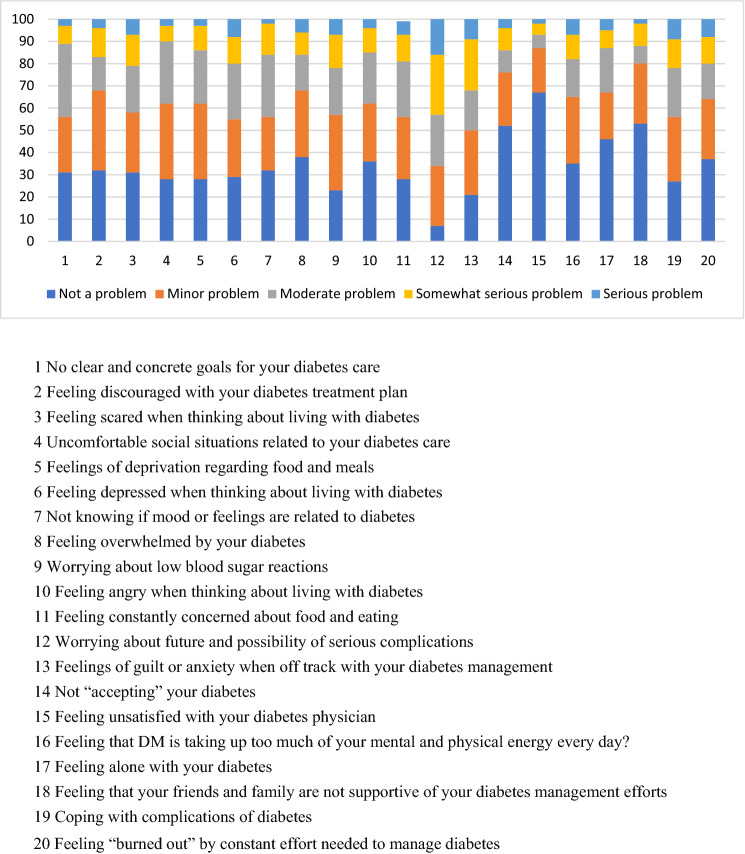
Type 1 diabetes (T1DM) is a chronic disease requiring lifelong insulin therapy and rigorous self-management. As it negatively impacts the affected individuals' quality of life, it may eventually lead to diabetes-related distress. This study evaluated the prevalence and identified the predictors of diabetes-related distress in a representative sample of adults with T1DM treated at secondary and tertiary levels in Croatia. A multicenter, cross-sectional study was conducted in adults with T1DM in Croatia (N = 100). Data were collected between January 2018 and December 2018 from medical records and interviews during a single clinical visit, when participants completed a 20-item Problem Area in Diabetes (PAID) Questionnaire. The proportion of participants with a total PAID score ≥ 40 indicating high diabetes-related distress was calculated, and binary logistic regression was run to determine predictors. High diabetes-related distress was found in 36% of participants, with a mean PAID total score of 31.9 (21.1). The predictors of diabetes-related distress were higher HbA1c level (OR = 1.491, p = 0.037, CI = 1.025-2.169) and the presence of microvascular complications (OR = 4.611, p = 0.005; 95%CI 1.546-13.754). Worrying about the future and chronic complications and feeling guilty when off-track with diabetes management were identified as items that contribute the most to distress. Diabetes-related distress is a frequent condition in adults with T1DM in Croatia. Special attention should be given to patients with suboptimal glycemic control and microvascular complications. Given the high prevalence and impact of psychosocial problems in diabetes, psychological care should be integrated into routine care for adults with type 1 diabetes.
© 2022. The Author(s).
Conflict of interest statement
Natasa Grulovic is an employee of Sanofi and owns shares in the company. Maja Baretic and Martina Rojnic Kuzman declare that they have no conflict of interest.
Figures
References
Publication types
MeSH terms
Substances
LinkOut - more resources
Full Text Sources
Medical
Research Materials
