


Early Rehabilitation Exercise after Stroke Improves Neurological Recovery through Enhancing Angiogenesis in Patients and Cerebral Ischemia Rat Model
- PMID: 36142421
- PMCID: PMC9499642
- DOI: 10.3390/ijms231810508
Early Rehabilitation Exercise after Stroke Improves Neurological Recovery through Enhancing Angiogenesis in Patients and Cerebral Ischemia Rat Model
Abstract
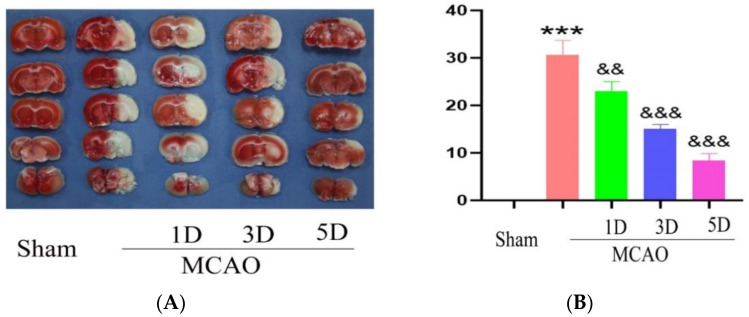
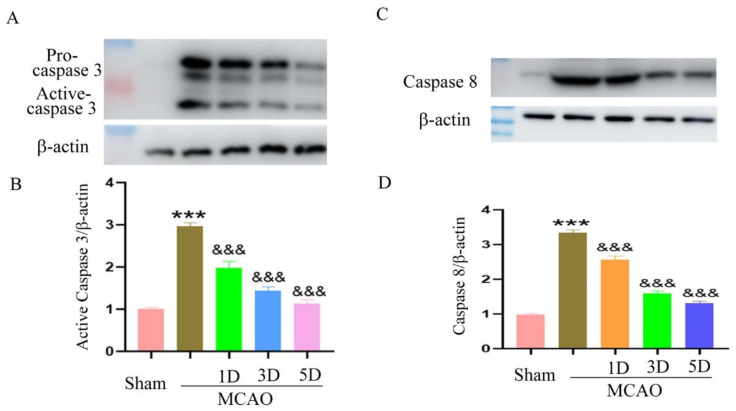
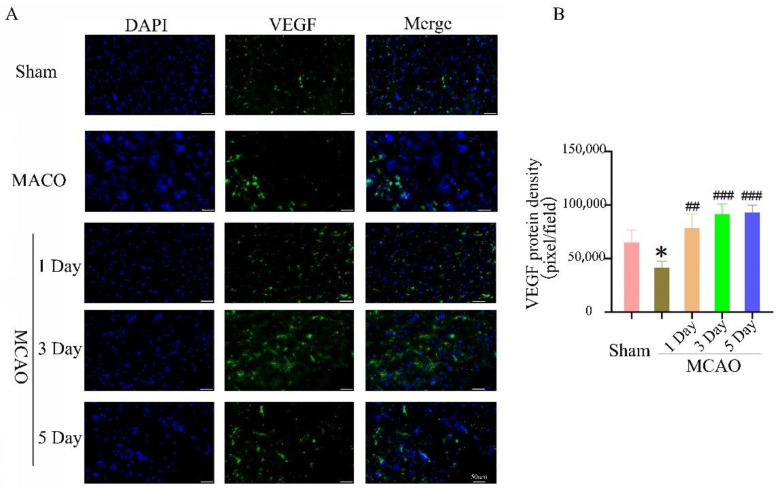
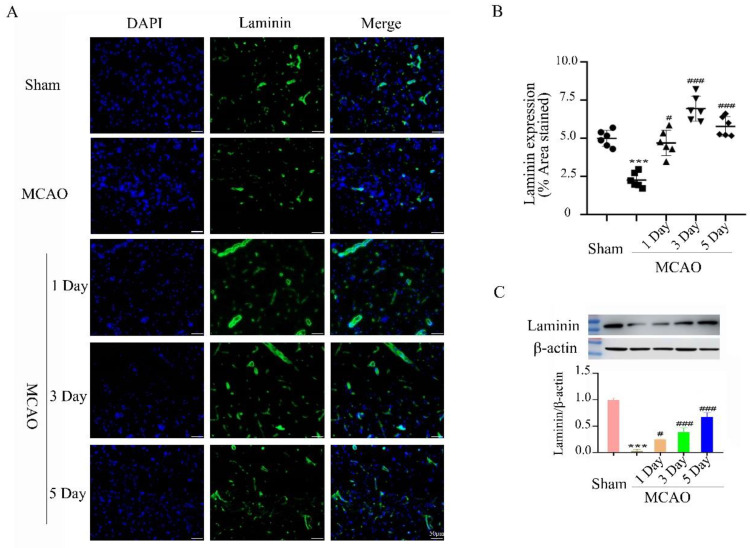
Among cerebrovascular diseases, ischemic stroke is a leading cause of mortality and disability. Thrombolytic therapy with tissue plasminogen activator is the first choice for clinical treatment, but its use is limited due to the high requirements of patient characteristics. Therefore, the choice of neurological rehabilitation strategies after stroke is an important prevention and treatment strategy to promote the recovery of neurological function in patients. This study shows that rehabilitation exercise 24 h after stroke can significantly improve the neurological function (6.47 ± 1.589 vs. 3.21 ± 1.069 and 0.76 ± 0.852), exercise ability (15.68 ± 5.95 vs. 162.32 ± 9.286 and 91.18 ± 7.377), daily living ability (23.37 ± 5.196 vs. 66.95 ± 4.707 and 6.55 ± 2.873), and quality of life (114.39 ± 7.772 vs. 168.61 ± 6.323 and 215.95 ± 10.977) of patients after 1 month and 3 months, and its ability to promote rehabilitation is better than that of rehabilitation exercise administered to patients 72 h after stroke (p < 0.001). Animal experiments show that treadmill exercise 24 h after middle cerebral artery occlusion and reperfusion can inhibit neuronal apoptosis, reduce the volume of cerebral infarction on the third (15.04 ± 1.07% vs. 30.67 ± 3.06%) and fifth (8.33 ± 1.53% vs. 30.67 ± 3.06%) days, and promote the recovery of neurological function on the third (7.22 ± 1.478 vs. 8.28 ± 1.018) and fifth (4.44 ± 0.784 vs. 6.00 ± 0.767) days. Mechanistic studies have shown that treadmill exercise increases the density of microvessels, regulates angiogenesis, and promotes the recovery of nerve function by upregulating the expression of vascular endothelial growth factor and laminin. This study shows that rehabilitation exercise 24 h after stroke is conducive to promoting the recovery of patients’ neurological function, and provides a scientific reference for the clinical rehabilitation of stroke patients.
Keywords: angiogenesis; early rehabilitation; neurological function; stroke.
Conflict of interest statement
The authors declare no conflict of interest.
Figures
References
-
- Zhang T., Zhao J., Li X., Bai Y., Wang B., Qu Y., Li B., Zhao S. Chinese Stroke Association Stroke Council Guideline Writing Committee. Chinese Stroke Association guidelines for clinical management of cerebrovascular disorders: Executive summary and 2019 update of clinical management of stroke rehabilitation. Stroke Vasc. Interv. Neurol. 2020;5:250–259. doi: 10.1136/svn-2019-000321. - DOI - PMC - PubMed
-
- Nesin S.M., Sabitha K.R., Gupta A., Laxmi T.R. Constraint Induced Movement Therapy as a Rehabilitative Strategy for Ischemic Stroke-Linking Neural Plasticity with Restoration of Skilled Movements. J. Stroke Cerebrovasc. Dis. 2019;28:1640–1653. doi: 10.1016/j.jstrokecerebrovasdis.2019.02.028. - DOI - PubMed
MeSH terms
Substances
Grants and funding
- 81871856/National Natural Science Foundation of China
- 222102310434, 222102310315/Henan Province Science and Technology Research and Development
- 20B180003/Foundation for University Key from the Ministry of Education of Henan Province
- 20221014003,20221014008/Innovation and entrepreneurship training program for college students of Henan University
LinkOut - more resources
Full Text Sources
Medical
