


Evaluation of Virulence in Cynomolgus Macaques Using a Virus Preparation Enriched for the Extracellular Form of Monkeypox Virus
- PMID: 36146799
- PMCID: PMC9505131
- DOI: 10.3390/v14091993
Evaluation of Virulence in Cynomolgus Macaques Using a Virus Preparation Enriched for the Extracellular Form of Monkeypox Virus
Abstract
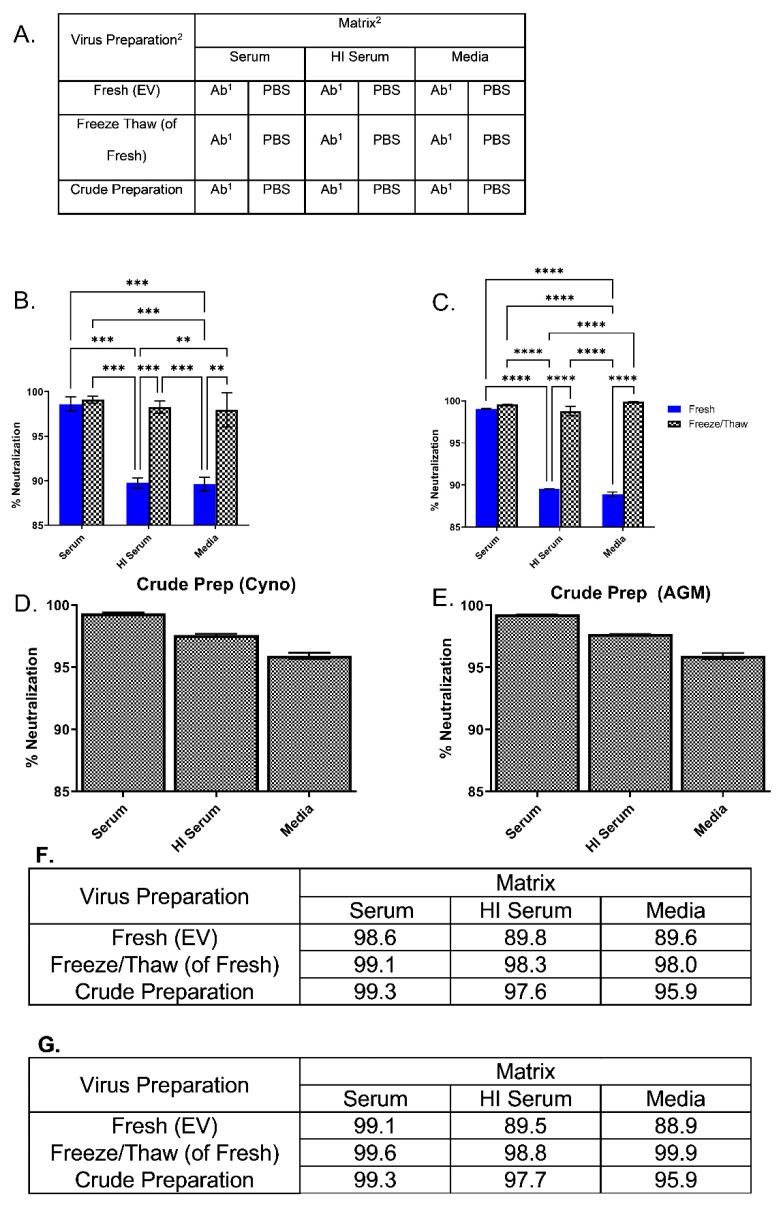
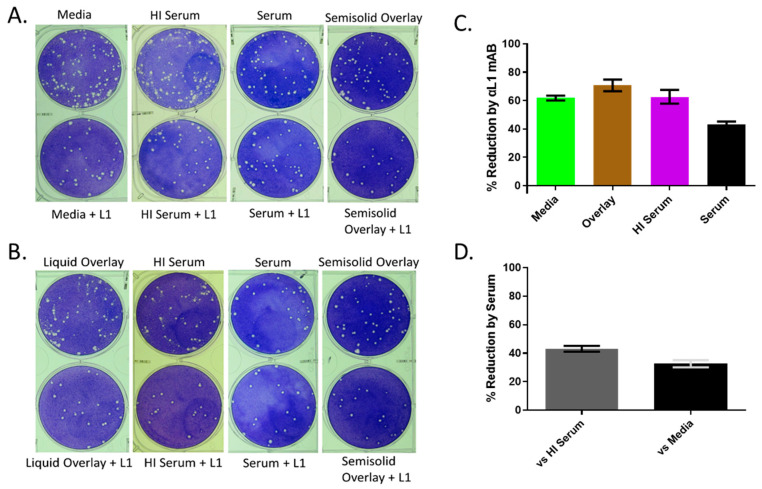
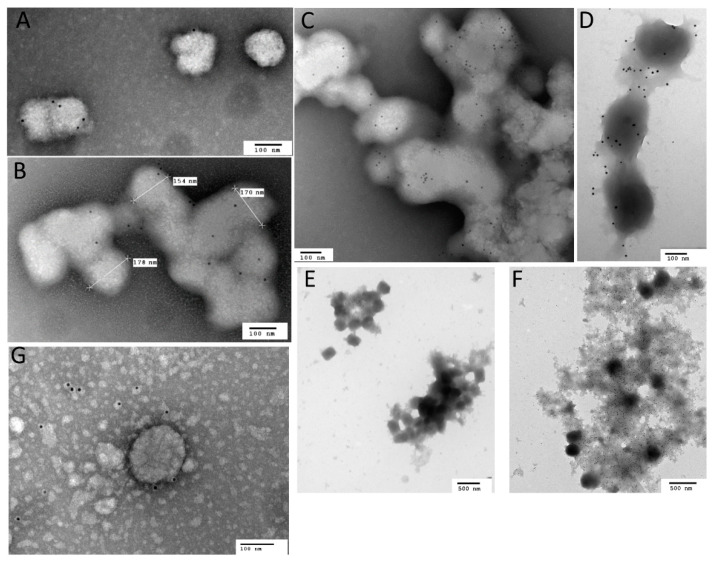
The 2022 global human monkeypox outbreak emphasizes the importance of maintaining poxvirus research, including enriching a basic understanding of animal models for developing and advancing therapeutics and vaccines. Intravenous administration of monkeypox virus in macaques is arguably one of the best animal models for evaluating the efficacy of medical countermeasures. Here we addressed one criticism of the model, a requirement for a high-titer administration of virus, as well as improving our understanding of monkeypox virus pathogenesis. To do so, we infected macaques with a challenge dose containing a characterized inoculum enriched for the extracellular form of monkeypox virus. Although there were some differences between diseases caused by the enriched preparation compared with a relatively similar unpurified preparation, we were unable to reduce the viral input with the enriched preparation and maintain severe disease. We found that inherent factors contained within the serum of nonhuman primate blood affect the stability of the monkeypox extracellular virions. As a first step to study a role of the extracellular form in transmission, we also showed the presence of this form in the oropharyngeal swabs from nonhuman primates exposed to monkeypox virus.
Keywords: countermeasures; dissemination; extracellular virion; model; monkeypox; morphogenesis; nonhuman primates; orthopoxvirus; smallpox; transmission; viremia.
Conflict of interest statement
The authors declare no conflict of interest.
Figures
References
-
- Adler H., Gould S., Hine P., Snell L.B., Wong W., Houlihan C.F., Osborne J.C., Rampling T., Beadsworth M.B., Duncan C.J., et al. Clinical features and management of human monkeypox: A retrospective observational study in the UK. Lancet Infect. Dis. 2022;22:1153–1162. doi: 10.1016/S1473-3099(22)00228-6. - DOI - PMC - PubMed
-
- Huggins J., Goff A., Hensley L., Mucker E., Shamblin J., Wlazlowski C., Johnson W., Chapman J., Larsen T., Twenhafel N., et al. Nonhuman primates are protected from smallpox virus or monkeypox virus challenges by the antiviral drug ST-246. Antimicrob. Agents Chemother. 2009;53:2620–2625. doi: 10.1128/AAC.00021-09. - DOI - PMC - PubMed
-
- Mucker E.M., Chapman J., Huzella L.M., Huggins J.W., Shamblin J., Robinson C.G., Hensley L.E. Susceptibility of Marmosets (Callithrix jacchus) to Monkeypox Virus: A Low Dose Prospective Model for Monkeypox and Smallpox Disease. PLoS ONE. 2015;10:e0131742. doi: 10.1371/journal.pone.0131742. - DOI - PMC - PubMed
-
- Mucker E.M., Wollen-Roberts S.E., Kimmel A., Shamblin J., Sampey D., Hooper J.W. Intranasal monkeypox marmoset model: Prophylactic antibody treatment provides benefit against severe monkeypox virus disease. PLoS Negl. Trop. Dis. 2018;12:e0006581. doi: 10.1371/journal.pntd.0006581. - DOI - PMC - PubMed
Publication types
MeSH terms
LinkOut - more resources
Full Text Sources
Medical
Research Materials
