


Genome integrity and inflammation in the nervous system
- PMID: 36148701
- PMCID: PMC9844216
- DOI: 10.1016/j.dnarep.2022.103406
Genome integrity and inflammation in the nervous system
Abstract
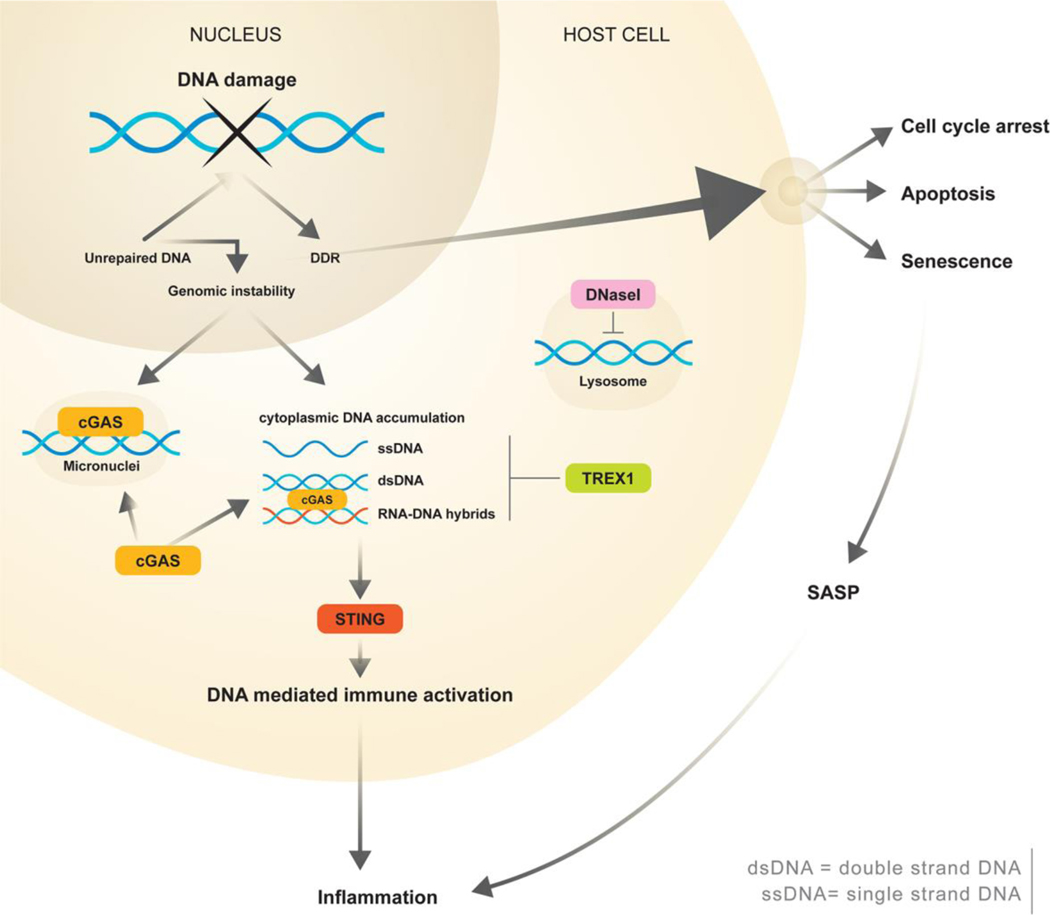
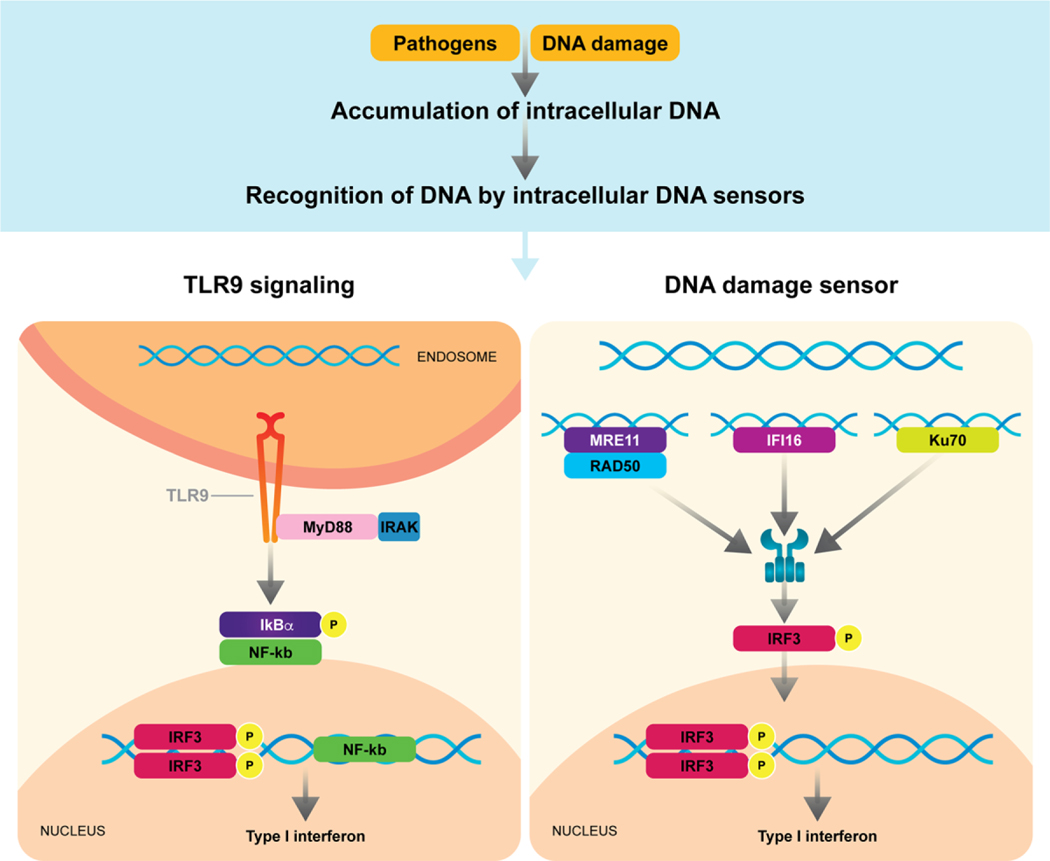
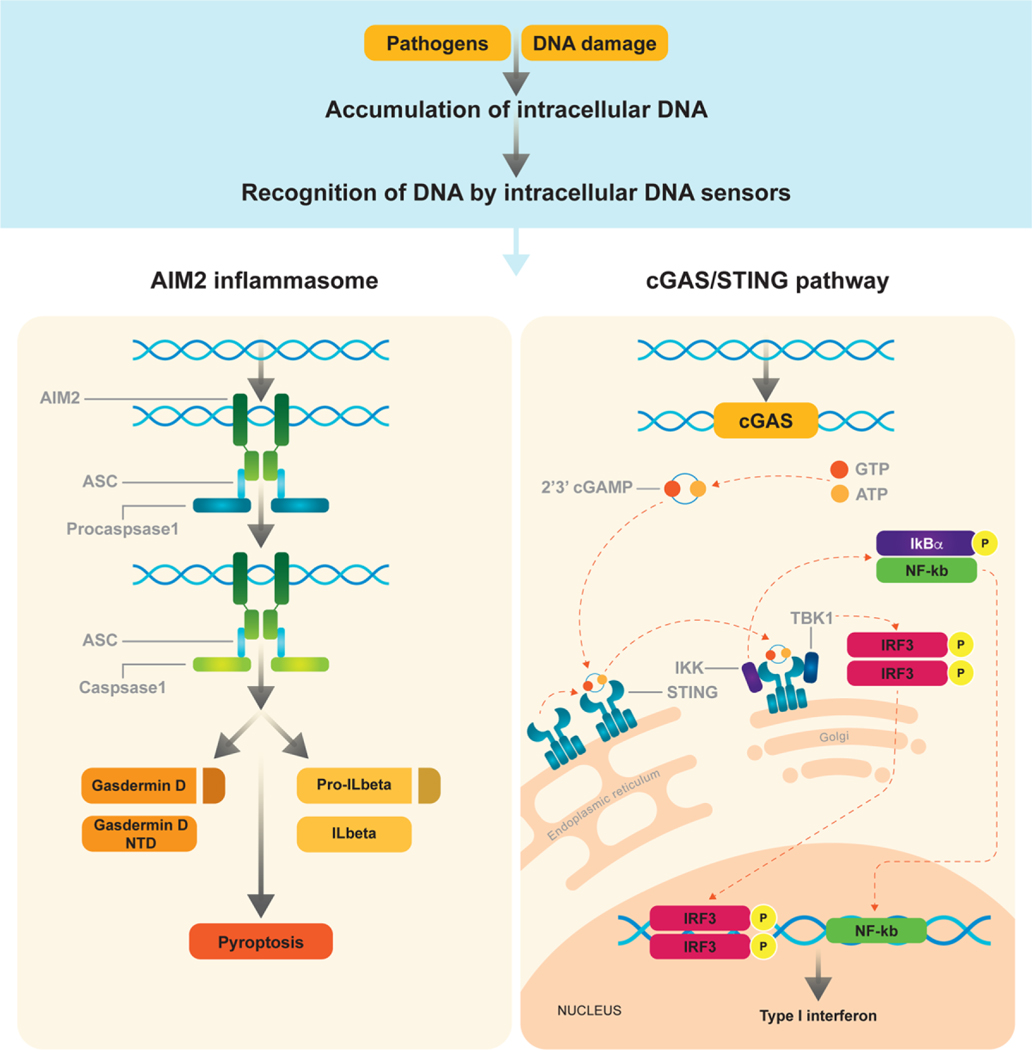
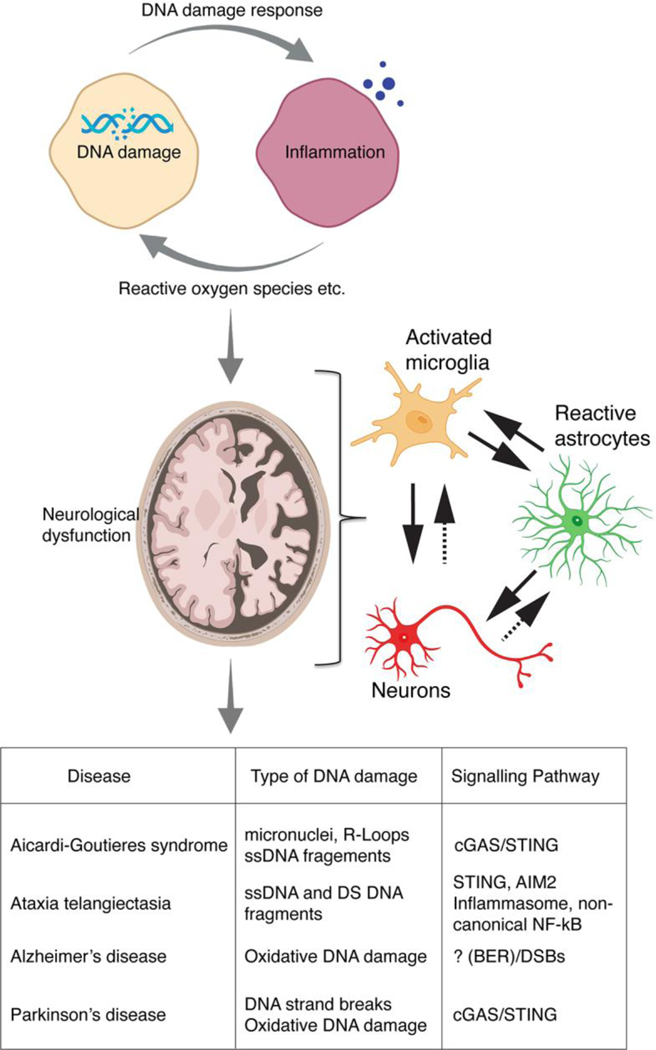
Preservation of genomic integrity is crucial for nervous system development and function. DNA repair deficiency results in several human diseases that are characterized by both neurodegeneration and neuroinflammation. Recent research has highlighted a role for compromised genomic integrity as a key factor driving neuropathology and triggering innate immune signaling to cause inflammation. Here we review the mechanisms by which DNA damage engages innate immune signaling and how this may promote neurological disease. We also consider the contributions of different neural cell types towards DNA damage-driven neuroinflammation. A deeper knowledge of genome maintenance mechanisms that prevent aberrant immune activation in neural cells will guide future therapies to ameliorate neurological disease.
Keywords: Astrocyte; DNA damage; Microglia; Nervous system; Neuroinflammation.
Copyright © 2022 Elsevier B.V. All rights reserved.
Figures
References
-
- Soriani A, Zingoni A, Cerboni C, Iannitto ML, Ricciardi MR, Di Gialleonardo V, Cippitelli M, Fionda C, Petrucci MT, Guarini A, Foa R, Santoni A, ATM-ATR-dependent upregulation of DNAM-1 and NKG2D ligands on multiple myeloma cells by therapeutic agents results in enhanced NK-cell susceptibility and is associated with a senescent phenotype, Blood, 113 (2009) 3503–3511. - PubMed
-
- Ardolino M, Zingoni A, Cerboni C, Cecere F, Soriani A, Iannitto ML, Santoni A, DNAM-1 ligand expression on Ag-stimulated T lymphocytes is mediated by ROS-dependent activation of DNA-damage response: relevance for NK-T cell interaction, Blood, 117 (2011) 4778–4786. - PubMed
Publication types
MeSH terms
Grants and funding
LinkOut - more resources
Full Text Sources
Medical
