


Novel Curcumin-Encapsulated α-Tocopherol Nanoemulsion System and Its Potential Application for Wound Healing in Diabetic Animals
- PMID: 36158895
- PMCID: PMC9499807
- DOI: 10.1155/2022/7669255
Novel Curcumin-Encapsulated α-Tocopherol Nanoemulsion System and Its Potential Application for Wound Healing in Diabetic Animals
Abstract
Objective: This project was aimed at formulating a novel nanoemulsion system and evaluating it for open incision wound healing in diabetic animals.
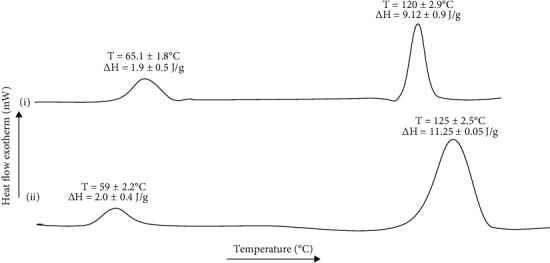
Methods: The nanoemulsions were characterized for droplet size and surface charge, drug content, antioxidant and antimicrobial profiling, and wound healing potential in diabetic animals. The skin samples excised were also analyzed for histology, mechanical strength, and vibrational and thermal analysis.
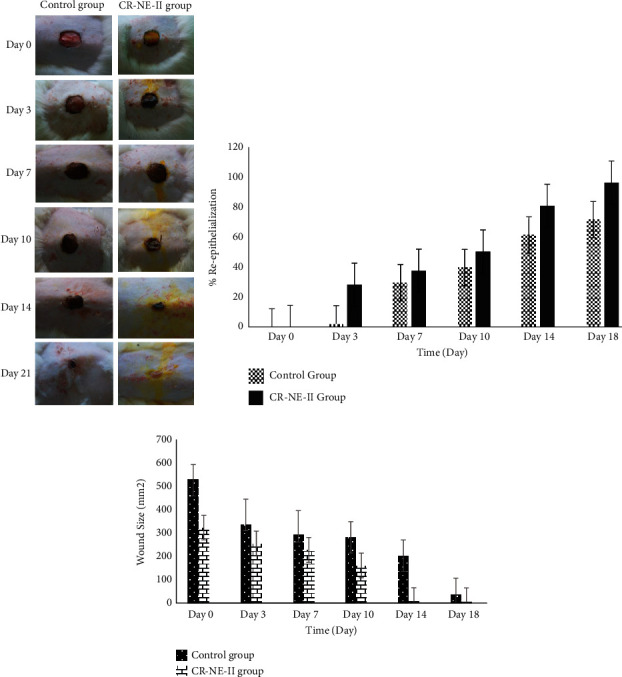
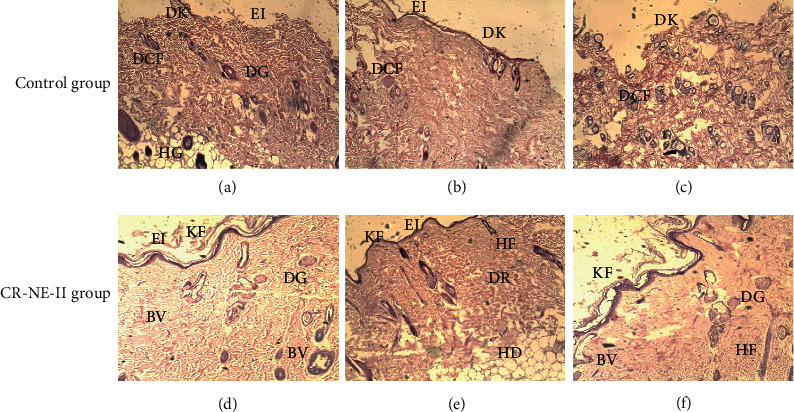
Results: The optimized nanoemulsion (CR-NE-II) exhibited droplet size of26.76 ± 0.9 nm with negative surface charge (-10.86 ± 1.06 mV), was homogenously dispersed with drug content of68.05 ± 1.2%, released almost82.95 ± 2.2%of the drug within first 2 h of experiment with synergistic antioxidant (95 ± 2.1%) and synergistic antimicrobial activity against selected bacterial strains in comparison to blank nanoemulsion, and promoted significantly fast percent reepithelization (96.47%). The histological, vibrational, thermal, and strength analysis of selected skin samples depicted a uniform and even distribution of collagen fibers which translated into significant increase in strength of skin samples in comparison to the control group.
Conclusions: The optimized nanoemulsion system significantly downregulated the oxidative stress, enhanced collagen deposition, and precluded bacterial contamination of wound, thus accelerating the skin tissue regeneration process.
Copyright © 2022 Muhammad Ali et al.
Conflict of interest statement
The authors declare no conflict of interest, and all authors confirm agreement with the final statement.
Figures




References
-
- Bakker K., Apelqvist J., Schaper N. C., on behalf of the International Working Group on the Diabetic Foot Editorial Board Practical guidelines on the management and prevention of the diabetic foot 2011. Diabetes/Metabolism Research and Reviews . 2012;28(2012):225–231. doi: 10.1002/dmrr.2253. - DOI - PubMed
MeSH terms
Substances
LinkOut - more resources
Full Text Sources
Medical
Molecular Biology Databases
