


Laser therapy for treating hypertrophic and keloid scars
- PMID: 36161591
- PMCID: PMC9511989
- DOI: 10.1002/14651858.CD011642.pub2
Laser therapy for treating hypertrophic and keloid scars
Abstract
Background: Hypertrophic and keloid scars are common skin conditions resulting from abnormal wound healing. They can cause itching, pain and have a negative physical and psychological impact on patients' lives. Different approaches are used aiming to improve these scars, including intralesional corticosteroids, surgery and more recently, laser therapy. Since laser therapy is expensive and may have adverse effects, it is critical to evaluate the potential benefits and harms of this therapy for treating hypertrophic and keloid scars.
Objectives: To assess the effects of laser therapy for treating hypertrophic and keloid scars.
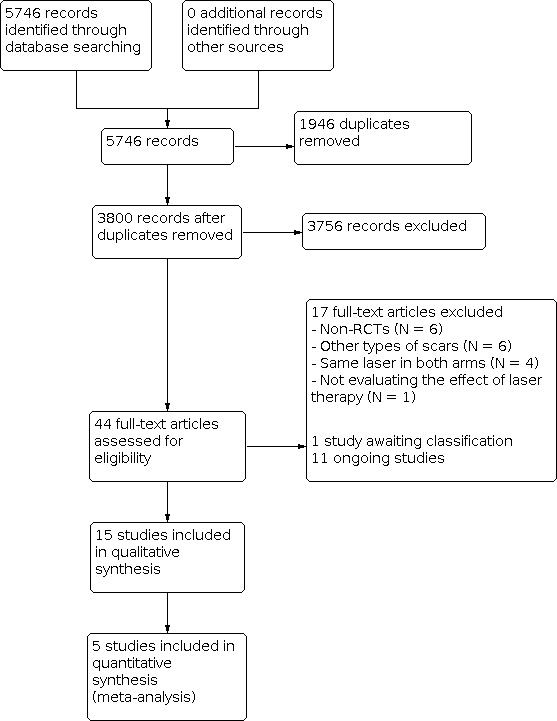
Search methods: In March 2021 we searched the Cochrane Wounds Specialised Register, CENTRAL, MEDLINE, Embase, CINAHL EBSCO Plus and LILACS. To identify additional studies, we also searched clinical trials registries for ongoing and unpublished studies, and scanned reference lists of relevant included studies as well as reviews, meta-analyses, and health technology reports. There were no restrictions with respect to language, date of publication, or study setting.
Selection criteria: We included randomised controlled trials (RCTs) for treating hypertrophic or keloid scars (or both), comparing laser therapy with placebo, no intervention or another intervention.
Data collection and analysis: Two review authors independently selected studies, extracted the data, assessed the risk of bias of included studies and carried out GRADE assessments to assess the certainty of evidence. A third review author arbitrated if there were disagreements.
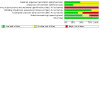
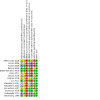
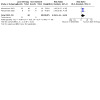
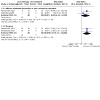
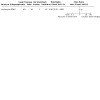
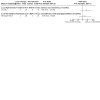
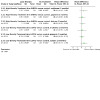
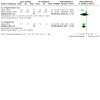
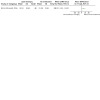
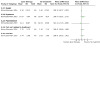
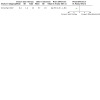
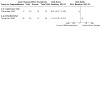
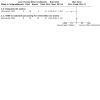
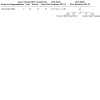
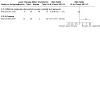
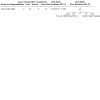
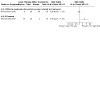
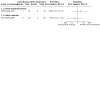
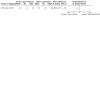
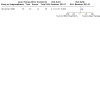
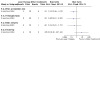
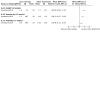
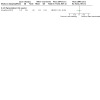
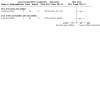
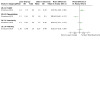
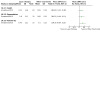
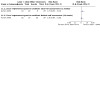
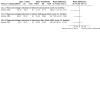
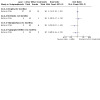
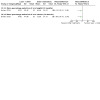
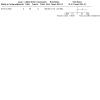
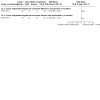
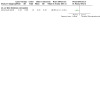
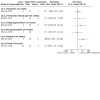
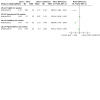
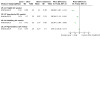
Main results: We included 15 RCTs, involving 604 participants (children and adults) with study sample sizes ranging from 10 to 120 participants (mean 40.27). Where studies randomised different parts of the same scar, each scar segment was the unit of analysis (906 scar segments). The length of participant follow-up varied from 12 weeks to 12 months. All included trials had a high risk of bias for at least one domain: all studies were deemed at high risk of bias due to lack of blinding of participants and personnel. The variability of intervention types, controls, follow-up periods and limitations with report data meant we pooled data for one comparison (and only two outcomes within this). Several review secondary outcomes - cosmesis, tolerance, preference for different modes of treatment, adherence, and change in quality of life - were not reported in any of the included studies. Laser versus no treatment: We found low-certainty evidence suggesting there may be more hypertrophic and keloid scar improvement (that is scars are less severe) in 585-nm pulsed-dye laser (PDL) -treated scars compared with no treatment (risk ratio (RR) 1.96; 95% confidence interval (CI): 1.11 to 3.45; two studies, 60 scar segments). It is unclear whether non-ablative fractional laser (NAFL) impacts on hypertrophic scar severity when compared with no treatment (very low-certainty evidence). It is unclear whether fractional carbon dioxide (CO2) laser impacts on hypertrophic and keloid scar severity compared with no treatment (very low-certainty evidence). Eight studies reported treatment-related adverse effects but did not provide enough data for further analyses. Laser versus other treatments: We are uncertain whether treatment with 585-nm PDL impacts on hypertrophic and keloid scar severity compared with intralesional corticosteroid triamcinolone acetonide (TAC), intralesional Fluorouracil (5-FU) or combined use of TAC plus 5-FU (very low-certainty evidence). It is also uncertain whether erbium laser impacts on hypertrophic scar severity when compared with TAC (very low-certainty evidence). Other comparisons included 585-nm PDL versus silicone gel sheeting, fractional CO2 laser versus TAC and fractional CO2 laser versus verapamil. However, the authors did not report enough data regarding the severity of scars to compare the interventions. As only very low-certainty evidence is available on treatment-related adverse effects, including pain, charring (skin burning so that the surface becomes blackened), telangiectasia (a condition in which tiny blood vessels cause thread-like red lines on the skin), skin atrophy (skin thinning), purpuric discolorations, hypopigmentation (skin colour becomes lighter), and erosion (loss of part of the top layer of skin, leaving a denuded surface) secondary to blistering, we are not able to draw conclusions as to how these treatments compare. Laser plus other treatment versus other treatment: It is unclear whether 585-nm PDL plus TAC plus 5-FU leads to a higher percentage of good to excellent improvement in hypertrophic and keloid scar severity compared with TAC plus 5-FU, as the certainty of evidence has been assessed as very low. Due to very low-certainty evidence, it is also uncertain whether CO2 laser plus TAC impacts on keloid scar severity compared with cryosurgery plus TAC. The evidence is also very uncertain about the effect of neodymium-doped yttrium aluminium garnet (Nd:YAG) laser plus intralesional corticosteroid diprospan plus 5-FU on scar severity compared with diprospan plus 5-FU and about the effect of helium-neon (He-Ne) laser plus decamethyltetrasiloxane, polydimethylsiloxane and cyclopentasiloxane cream on scar severity compared with decamethyltetrasiloxane, polydimethylsiloxane and cyclopentasiloxane cream. Only very low-certainty evidence is available on treatment-related adverse effects, including pain, atrophy, erythema, telangiectasia, hypopigmentation, regrowth, hyperpigmentation (skin colour becomes darker), and depigmentation (loss of colour from the skin). Therefore, we are not able to draw conclusions as to how these treatments compare. AUTHORS' CONCLUSIONS: There is insufficient evidence to support or refute the effectiveness of laser therapy for treating hypertrophic and keloid scars. The available information is also insufficient to perform a more accurate analysis on treatment-related adverse effects related to laser therapy. Due to the heterogeneity of the studies, conflicting results, study design issues and small sample sizes, further high-quality trials, with validated scales and core outcome sets should be developed. These trials should take into consideration the consumers' opinion and values, the need for long-term follow-up and the necessity of reporting the rate of recurrence of scars to determine whether lasers may achieve superior results when compared with other therapies for treating hypertrophic and keloid scars.
Copyright © 2022 The Cochrane Collaboration. Published by John Wiley & Sons, Ltd.
Conflict of interest statement
Rafael Leszczynski: works as a health professional. Carolina da Silva: works as a health professional. Ana Carolina Pereira Nunes Pinto: none known. Uliana Kuczynski: none known. Edina MK da Silva: none known.
Figures
Update of
References
References to studies included in this review
Alsharnoubi 2018 {published data only}
-
- Alsharnoubi J, Shoukry KE, Fawzy MW, Mohamed O. Evaluation of scars in children after treatment with low-level laser. Lasers in Medical Science 2018;33(9):1991-5. - PubMed
Asilian 2006 {published data only}
-
- Asilian A, Darougheh A, Shariati F. New combination of triamcinolone, 5-fluorouracil, and pulsed-dye laser for treatment of keloid and hypertrophic scars. Dermatologic Surgery 2006;32(7):907-15. - PubMed
Azzam 2016 {published data only}
-
- Azzam OA, Bassiouny DA, El-Hawary MS, El Maadawi ZM, Sobhi RM, El-Mesidy MS. Treatment of hypertrophic scars and keloids by fractional carbon dioxide laser: a clinical, histological, and immunohistochemical study. Lasers in Medical Science 2016;31(1):9-18. - PubMed
Behera 2016 {published data only}
-
- Behera B, Kumari R, Thappa DM, Malathi M. Therapeutic efficacy of intralesional steroid with carbon dioxide laser versus with cryotherapy in treatment of keloids: a randomized controlled trial. Dermatologic Surgery 2016;42(10):1188-98. - PubMed
Blome‐Eberwein 2016 {published data only}
-
- Blome-Eberwien S, Gogal C, Weiss MJ, Boorse D, Pagella P. Prospective evaluation of fractional CO2 laser treatment of mature burn scars. Journal of Burn Care & Research 2016;37(6):379-87. - PubMed
Chen 2017 {published data only}
Daoud 2019 {published data only}
-
- Daoud AA, Gianatasio C, Rudnick A, Michael M, Waibel J. Efficacy of combined Intense Pulsed Light (IPL) with fractional CO2 laser ablation in the treatment of large hypertrophic scars: a prospective, randomized control trial. Lasers in Surgery and Medicine 2019;51(8):1-8. - PubMed
Khattab 2019 {published data only}
-
- Khattab FM, Nasr M, Khashaba SA, Bessar H. Combination of pulsed dye laser and verapamil in comparison with verapamil alone in the treatment of keloid. Journal of Dermatological Treatment 2019;31(2):186-90. - PubMed
Lin 2011 {published data only}
-
- Lin JY, Warger WC, Izikson L, Anderson RR, Tannous Z. A prospective, randomized controlled trial on the efficacy of fractional photothermolysis on scar remodeling. Lasers in Surgery and Medicine 2011;43:265-72. - PubMed
Manuskiatti 2001 {published data only}
-
- Manuskiatti W, Fitzpatrick RE, Goldman MP. Energy density and numbers of treatment affect response of keloidal and hypertrophic sternotomy scars to the 585-nm flashlamp-pumped pulsed-dye laser. Journal of the American Academy of Dermatology 2001;45(4):557-65. - PubMed
Manuskiatti 2002 {published data only}
-
- Manuskiatti W, Fitzpatrick RE. Treatment response of keloidal and hypertrophic sternotomy scars. Comparison among intralesional corticosteroid, 5-fluorouracil, and 585-nm flashlamp-pumped pulsed-dye laser treatments. Archives of Dermatology 2002;138(9):1149-55. - PubMed
Omranifard 2007 {published data only}
-
- Omranifard M, Rasti M. Comparing the effects of conventional method, pulse dye laser and erbium laser for the treatment of hypertrophic scars in Iranian patients. Journal of Research in Medical Sciences 2007;12(6):277-81.
Srivastava 2019 {published data only}
Verhaeghe 2013 {published data only}
-
- Verhaeghe E, Ongenae K, Bostoen J, Lambert J. Nonablative fractional laser resurfacing for the treatment of hypertrophic scars: a randomized controlled trial. Dermatologic Surgery 2013;39(3 Pt 1):426-34. - PubMed
Wittenberg 1999 {published data only}
-
- Wittenberg GP, Fabian BG, Bogomilsky JL, Schultz LR, Rudne EJ, Chaffins ML, et al. Prospective, single-blind, randomized, controlled study to assess the efficacy of the 585-nm flashlamp-pumped pulsed-dye laser and silicone gel sheeting in hypertrophic scar treatment. Archives of Dermatology 1999;135(9):1049-55. - PubMed
References to studies excluded from this review
Alster 2003a {published data only}
-
- Alster T. Laser scar revision: comparison study of 585-nm pulsed dye laser with and without intralesional corticosteroids. Dermatologic Surgery 2003;29(1):25-9. - PubMed
Blome‐Eberwein 2018 {published data only}
-
- Blome-Eberwein SA, Boorse D, Pagella P, Gogal C, Sobotor M. Does topical steroid after fractional CO2 laser treatment of scars make a clinical difference? Journal of Burn Care & Research 2018;39(1):S42-3.
Chan 2004 {published data only}
-
- Chan HH, Wong DS, Ho WS, Lam LK, Wei W. The use of pulsed dye laser for the prevention and treatment of hypertrophic scars in Chinese persons. Dermatologic Surgery 2004;30(7):987-94. - PubMed
Christophel 2012 {published data only}
-
- Christophel JJ, Elm C, Endrizzi BT, Hilger PA, Zelickson B. A randomized controlled trial of fractional laser therapy and dermabrasion for scar resurfacing. Dermatologic Surgery 2012;38(4):595-602. - PubMed
El‐Zawahry 2015 {published data only}
-
- El-Zawahry BM, Sobhi RM, Bassiouny DA, Tabak SA. Ablative CO2 fractional resurfacing in treatment of thermal burn scars: an open-label controlled clinical and histopathological study. Journal of Cosmetic Dermatology 2015;14:324-31. - PubMed
Freitas 2013 {published data only}
-
- Freitas CP, Melo C, Alexandrino AM, Noites A. Efficacy of low-level laser therapy on scar tissue. Journal of Cosmetic and Laser Therapy 2013;15:171-6. - PubMed
Gaida 2004 {published data only}
-
- Gaida K, Koller R, Isler C, Aytekin O, Al-Awami M, Meissl G, et al. Low level laser therapy - a conservative approach to the burn scar? Burns 2004;30:262-7. - PubMed
Ghalambor 2006 {published data only}
-
- Ghalambor AA, Pipelzadeh MH. Low level CO2 laser therapy in burn scars: which patient benefit most? Pakistan Journal of Medical Sciences 2006;22(2):158-61.
Hædersdal 2009 {published data only}
-
- Hædersdal M, Moreau KE, Beyer DM, Nymann P, Alsbjørn B. Fractional nonablative 1540 nm laser resurfacing for thermal burn scars: a randomized controlled trial. Lasers in Surgery and Medicine 2009;41:189-95. - PubMed
Lueangarun 2020 {published data only}
-
- Lueangarun S, Sukcharoen T, Tempark T. Efficacy of combing fractional carbon dioxide laser and silicone gel in treatment of hypertrophic scars and keloids: a split-lesion, double-blinded, randomized, controlled trials. In: Journal of the Dermatology Nurses' Association. Conference: 24th World Congress of Dermatology; 2019 June 11-15; Milan (Italy). Vol. 12. 2020.
Manuskiatti 2007 {published data only}
-
- Manuskiatti W, Wanitphakdeedecha R, Fitzpatrick RE. Effect of pulse width of a 595-nm flashlamp-pumped pulsed dye laser on the treatment response of keloidal and hypertrophic sternotomy scars. Dermatologic Surgery 2007;33(2):152-61. - PubMed
Ouyang 2018 {published data only}
-
- Ouyang H, Li G, Lei Y, Gold MH, Tan J. Comparison of the effectiveness of pulsed dye laser vs pulsed dye laser combined with ultrapulse fractional CO2 laser in the treatment of immature red hypertrophic scars. Journal of Cosmetic Dermatology 2018;17:54-60. - PubMed
Sheridan 1997 {published data only}
-
- Sheridan RL, MacMillan K, Donelan M, Choucair R, Grevelink J, Petras L, et al. Tunable dye laser neovessel ablation as an adjunct to the management of hypertrophic scarring in burned children: pilot trial to establish safety. Journal of Burn Care & Rehabilitation 1997;18:317-20. - PubMed
Stern 1989 {published data only}
-
- Stern JC, Lucente FE. Carbon dioxide laser excision of earlobe keloids: a prospective study and critical analysis of existing data. Archives of Otolaryngology - Head and Neck Surgery 1989;115(9):1107-11. - PubMed
Tierney 2009 {published data only}
-
- Tierney E, Mahmoud BH, Srivastava D, Ozog D, Kouba DJ. Treatment of surgical scars with nonablative fractional laser versus pulsed dye laser: a randomized controlled trial. Dermatologic Surgery 2009;35(8):1172-80. - PubMed
Van Drooge 2015 {published data only}
-
- Van Drooge AM, Vrijman C, Van der Veen W, Wolkerstorfer A. A randomized controlled pilot study on ablative fractional CO2 laser for consecutive patients presenting with various scar types. Dermatologic Surgery 2015;41(3):371-7. - PubMed
Wagner 2011 {published data only}
-
- Wagner JA, Paasch U, Bodendorf MO, Simon JC, Grunewald S. Treatment of keloids and hypertrophic scars with the triple-mode Er:YAG laser: a pilot study. Medical Laser Application 2011;26(1):10-5.
References to studies awaiting assessment
Maari 2017 {published data only}
-
- Maari C. Randomized, controlled, within-patient, single-blinded pilot study to evaluate the efficacy of the ablative fractional CO2 laser in the treatment of hypertrophic scars in adult burn patients. Journal of the American Academy of Dermatology 2017;76(6 (Suppl 1)):AB212. [DOI: 10.1016/j.jaad.2017.04.1113] - DOI
References to ongoing studies
ACTRN12619001317189 {published data only}
-
- ACTRN12619001317189. Ablative, fractional CO2 laser and medical needling to enhance burn scarring in children: a pilot randomised trial. www.who.int/trialsearch/Trial2.aspx?TrialID=ACTRN12619001317189 2019.
ACTRN12621000288820 {published data only}
-
- ACTRN12621000288820. A randomised controlled trial of ablative fractional CO2 laser and medical needling in children with burn scars. anzctr.org.au/ACTRN12621000288820.aspx 2021.
ChiCTR1900027249 {published data only}
-
- ChiCTR1900027249. The efficacy and safety of low energy carbon dioxide fractional in the treatment of pediatric hypertrophic scar: a perspective, randomized, self-controlled study. www.who.int/trialsearch/Trial2.aspx?TrialID=ChiCTR1900027249 2019.
ChiCTR‐ONH‐17012350 {published data only}
-
- ChiCTR-ONH-17012350. A randomized, parallel controlled study: the treatment of hypertrophic scars by combining fractional CO2 laser with narrow-spectrum intense pulsed light. www.chictr.org.cn/showproj.aspx?proj=20887 2017.
CTRI/2015/01/005400 {published data only}
-
- CTRI/2015/01/005400. Therapeutic efficacy of laser therapy (carbon dioxide laser)with intralesional steroid injection versus cold therapy (cryotherapy) with intralesional steroid injection in the treatment of keloidal scar:a randomized controlled trial. www.ctri.nic.in/Clinicaltrials/pmaindet2.php?trialid=7531 2015.
CTRI/2019/08/020883 {published data only}
-
- CTRI/2019/08/020883. Study and compare the effect of intralesional radiofrequency and carbon dioxide laser in keloid and hypertrophic scar. www.ctri.nic.in/Clinicaltrials/pmaindet2.php?trialid=31318 2019.
IRCT2016052318210N7 {published data only}
-
- IRCT2016052318210N7. Treatment of burn scars using ablative CO2 fractional laser and topical rapamycin (sirolimus). en.irct.ir/trial/16592 2017.
NCT02996097 {published data only}
-
- NCT02996097. Fractional laser assisted steroid therapy vs intralesional steroids in the treatment of keloids. clinicaltrials.gov/show/NCT02996097 2016.
NCT03240718 {published data only}
-
- NCT03240718. Pilot study of the ablative fractional CO2 laser in hypertrophic scars in adult burn patients. clinicaltrials.gov/ct2/show/NCT03240718 2017.
NCT04769089 {published data only}
-
- NCT04769089. Effects of pulsed dye and CO2 laser in treatment of hypertrophic burn scars. clinicaltrials.gov/show/NCT04769089 2021.
PACTR202004808998657 {published data only}
-
- PACTR202004808998657. Fractional carbon dioxide laser versus fractional microneedle radiofrequency in the treatment of post burn scars: a comparative randomized split scar study. pactr.samrc.ac.za/TrialDisplay.aspx?TrialID=8138 2019.
Additional references
Alster 2003
-
- Alster TS, Tanzi EL. Hypertrophic scars and keloids. Etiology and management. American Journal of Clinical Dermatology 2003;4(4):235-43. - PubMed
Anderson 1983
-
- Anderson RR, Parrish JA. Selective phototermolysis: precise microsurgery by selective absorption of pulsed radiation. Science 1983;220:524-7. - PubMed
Berman 1996
-
- Berman B, Bieley HC. Adjunct therapies to surgical management of keloids. Dermatologic Surgery 1996;22(2):126-30. - PubMed
Bock 2006
-
- Bock O, Schmid-Ott G, Malewski P, Mrowietz U. Quality of life of patients with keloid and hypertrophic scarring. Archives of Dermatological Research 2006;297(10):433-81. - PubMed
Bouzari 2007
-
- Bouzari N, Davis SC, Nouri K. Laser treatment of keloids and hypertrophic scars. International Journal of Dermatology 2007;46(1):80-8. - PubMed
Cassuto 2010
-
- Cassuto DA, Scrimali L, Siragó P. Treatment of hypertrophic scars and keloids with an LBO laser (532 nm) and silicone gel sheeting. Journal of Cosmetic and Laser Therapy 2010;12(1):32-7. - PubMed
Ching 2003
-
- Ching S, Thoma A, McCabe RE, Antony MM. Measuring outcomes in aesthetic surgery: a comprehensive review of the literature. Plastic and Reconstructive Surgery 2003;111(1):469-80. - PubMed
Cho 2010
-
- Cho SB, Lee JH, Lee SH, Lee SJ, Bang D, Oh SH. Efficacy and safety of 1064-nm Q-switched Nd:YAG laser with low fluence for keloids and hypertrophic scars. Journal of the European Academy of Dermatology and Venereology 2010;24(9):1070-4. - PubMed
Erol 2008
-
- Erol OO, Gurlek A, Agaoglu G, Topcuoglu E, Oz H. Treatment of hypertrophic scars and keloids using intense pulsed light (IPL). Aesthetic Plastic Surgery 2008;32:902-9. - PubMed
Glanville 2019
-
- Glanville J, Dooley G, Wisniewski S, Foxlee R, Noel-Storr A. Development of a search filter to identify reports of controlled clinical trials within CINAHL Plus. Health Information and Libraries Journal 2019;36(1):73-90. - PubMed
Gupta 2011
-
- Gupta S, Sharma VK. Standard guidelines of care: keloids and hypertrophic scars. Indian Journal of Dermatology, Venereology, and Leprology 2011;77(1):94-100. - PubMed
Higgins 2021
-
- Higgins JP, Thomas J, Chandler J, Cumpston M, Li T, Page MJ, Welch VA, editor(s). Cochrane Handbook for Systematic Reviews of Interventions Version 6.2 (updated February 2021). Cochrane, 2021. Available from training.cochrane.org/handbook. - PMC - PubMed
Kantor 1985
-
- Kantor GR, Wheeland RG, Bailin PL, Walker NP, Ratz JL. Treatment of earlobe keloids with carbon dioxide laser excision: a report of 16 cases. Journal of Dermatologic Surgery and Oncology 1985;11(11):1063-7. - PubMed
Karsai 2007
-
- Karsai S, Roos S, Hammes S, Raulin C. Pulsed dye laser: what's new in non-vascular lesions? Journal of the European Academy of Dermatology and Venereology 2007;21(7):877-90. - PubMed
Köse 2008
-
- Köse O, Waseem A. Keloids and hypertrophic scars: are they two different sides of the same coin? Dermatologic Surgery 2008;34(3):336-46. - PubMed
Lefebvre 2021
-
- Lefebvre C, Glanville J, Briscoe S, Littlewood A, Marshall C, Metzendorf M-I, et al. Chapter 4: Searching for and selecting studies. In: Higgins JP, Thomas J, Chandler J, Cumpston M, Li T, Page MJ, Welch VA (editors). Cochrane Handbook for Systematic Reviews of Interventions version 6.2 (updated February 2021). Cochrane, 2021. Available from www.training.cochrane.org/handbook.
Lesaffre 2009
-
- Lesaffre E, Philstrom B, Needleman I, Worthington H. The design and analysis of split-mouth studies: what statisticians and clinicians should know. Statistics in Medicine 2009;28(28):3470-80. - PubMed
Li‐Tsang 2005
-
- Li-Tsang CW, Lau JC, Chan CC. Prevalence of hypertrophic scar formation and its characteristics among Chinese population. Burns 2005;31(5):610-6. - PubMed
Moher 2009
Mutalik 2005
-
- Mutalik S. Treatment of keloid and hypertrophic scars. Indian Journal of Dermatology, Venereology, and Leprology 2005;71(1):3-8. - PubMed
RevMan 2020 [Computer program]
-
- Nordic Cochrane Centre, The Cochrane Collaboration Review Manager 5.4 (RevMan 5). Version 5.4. Nordic Cochrane Centre, The Cochrane Collaboration, 2020.
Schünemann 2021a
-
- Schünemann HJ, Higgins JP, Vist GE, Glasziou P, Akl EA, Skoetz N, et al. Chapter 14: Completing ‘Summary of findings’ tables and grading the certainty of the evidence. In: Higgins JP, Thomas J, Chandler J, Cumpston M, Li T, Page MJ, Welch VA (editors). Cochrane Handbook for Systematic Reviews of Interventions version 6.2 (updated February 2021). Cochrane, 2021. Available from www.training.cochrane.org/handbook.
Schünemann 2021b
-
- Schünemann HJ, Vist GE, Higgins JP, Santesso N, Deeks JJ, Glasziou P, et al. Chapter 15: Interpreting results and drawing conclusions. In: Higgins JP, Thomas J, Chandler J, Cumpston M, Li T, Page MJ, Welch VA (editors). Cochrane Handbook for Systematic Reviews of Interventions version 6.2 (updated February 2021). Cochrane, 2021. Available from www.training.cochrane.org/handbook.
Seifert 2009
-
- Seifert O, Mrowietz U. Keloid scarring: bench and bedside. Archives of Dermatologic Research 2009;301(4):259-72. - PubMed
Vrijman 2011
-
- Vrijman C, Drooge AM, Limpens J, Bos JD, Van der Veen JP, Spuls PI, et al. Laser and intense pulsed light therapy for the treatment of hypertrophic scars: a systematic review. British Journal of Dermatology 2011;165(5):934-42. - PubMed
References to other published versions of this review
Publication types
MeSH terms
Substances
LinkOut - more resources
Full Text Sources
Research Materials
