


Not the same CURE: Student experiences in course-based undergraduate research experiences vary by graduate teaching assistant
- PMID: 36166457
- PMCID: PMC9514618
- DOI: 10.1371/journal.pone.0275313
Not the same CURE: Student experiences in course-based undergraduate research experiences vary by graduate teaching assistant
Abstract
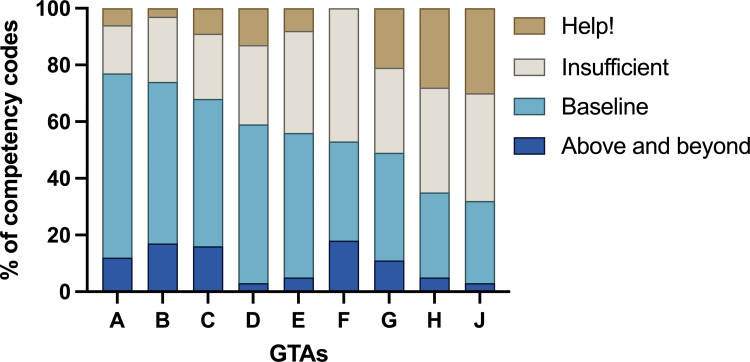
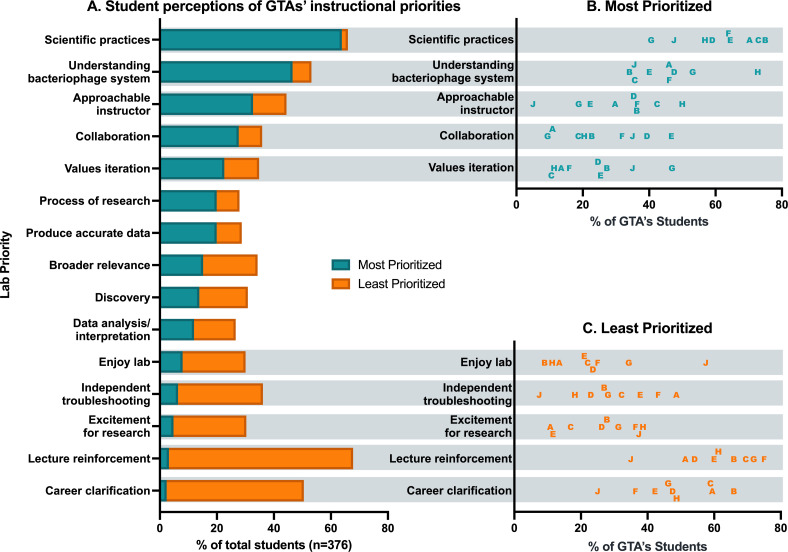
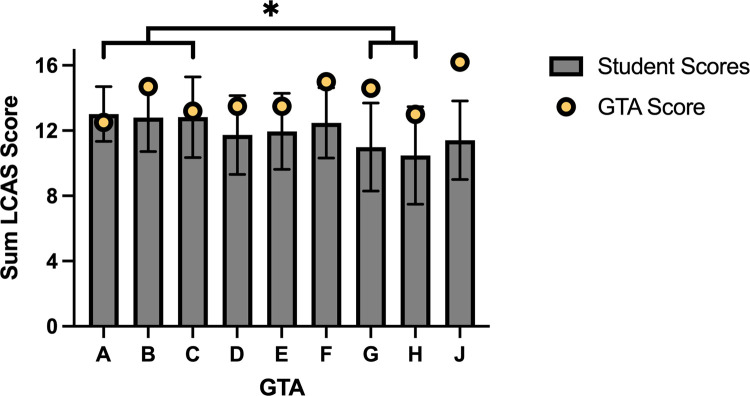
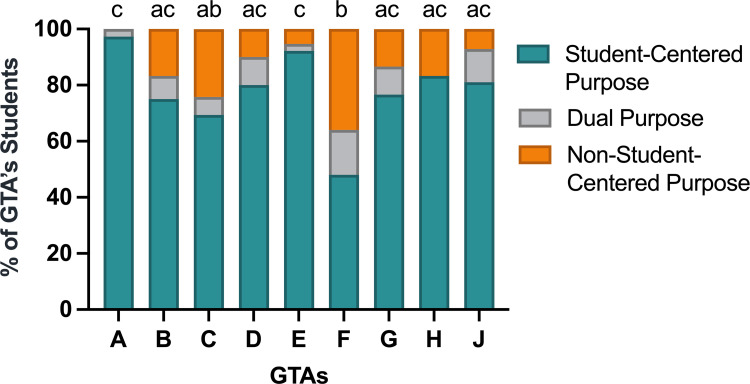
To expose all undergraduate science students to the benefits of participating in research, many universities are integrating course-based undergraduate research experiences (CUREs) into their introductory biology laboratory curriculum. At large institutions, the bulk of introductory labs are instructed by graduate teaching assistants (GTAs). Graduate students, who are often teachers and researchers in training, may vary in their capacity to effectively teach undergraduates via the CURE model. To explore variation in GTA teaching and the subsequent outcomes for students, we used a case study research design at one institution where introductory biology students participate in GTA-taught CURE lab sections. We used multiple data sources, including in-class focus groups, worksheets, and surveys to explore student perceptions of the GTA-led CURE. Students perceived variation both in the ability of their GTAs to create a supportive and comfortable learning environment, and in the instructional priorities of their GTAs. We also compared student and GTA perspectives of student engagement with research elements in the CURE. While GTAs were divided in their perceptions of whether the CURE provided students with the opportunity to experience the element of relevant discovery, most students-regardless of their GTA-did not perceive that relevant discovery was emphasized in the CURE. Finally, individual GTAs seemed to influence how students perceived why they were participating in the CURE. These data imply that students in CUREs may have vastly different and potentially inequitable research experiences depending on their instructor.
Conflict of interest statement
The authors have declared that no competing interests exist.
Figures
References
-
- Carpi A, Ronan DM, Falconer HM, Lents NH. Cultivating minority scientists: Undergraduate research increases self-efficacy and career ambitions for underrepresented students in STEM. J Res Sci Teach. 2017;54: 169–194. doi: 10.1002/tea.21341 - DOI
-
- Laursen S, Hunter A-B, Seymour E, Thiry H, Melton G. Undergraduate Research in the Sciences: Engaging Students in Real Science. San Fransisco, CA: Wiley; 2010.
-
- Robnett RD, Chemers MM, Zurbriggen EL. Longitudinal associations among undergraduates’ research experience, self-efficacy, and identity: Research experience, self-efficacy, and identity. J Res Sci Teach. 2015;52: 847–867. doi: 10.1002/tea.21221 - DOI
Publication types
MeSH terms
LinkOut - more resources
Full Text Sources
Miscellaneous
