


In vitro activity of celastrol in combination with thymol against carbapenem-resistant Klebsiella pneumoniae isolates
- PMID: 36167781
- PMCID: PMC9640353
- DOI: 10.1038/s41429-022-00566-y
In vitro activity of celastrol in combination with thymol against carbapenem-resistant Klebsiella pneumoniae isolates
Abstract
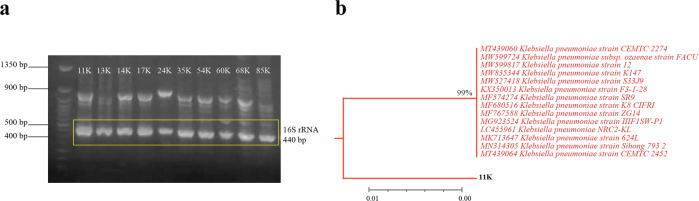
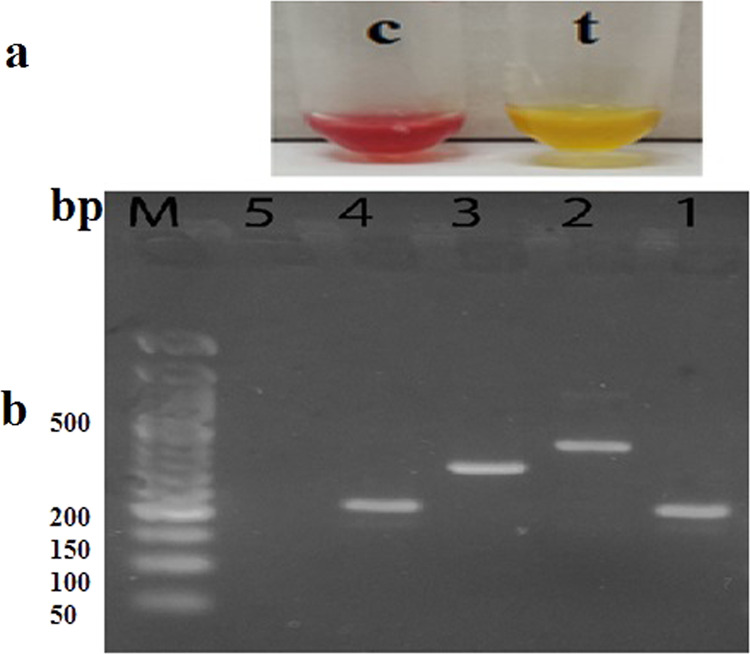
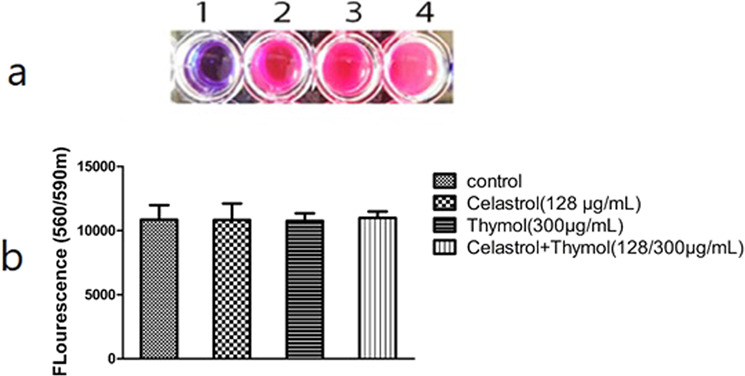
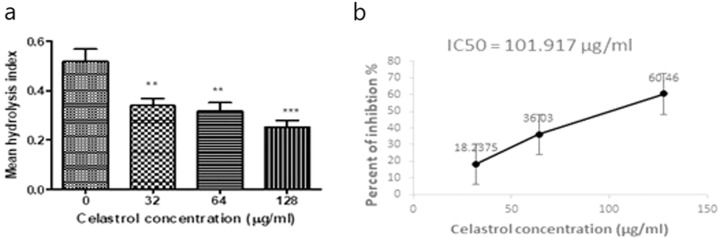
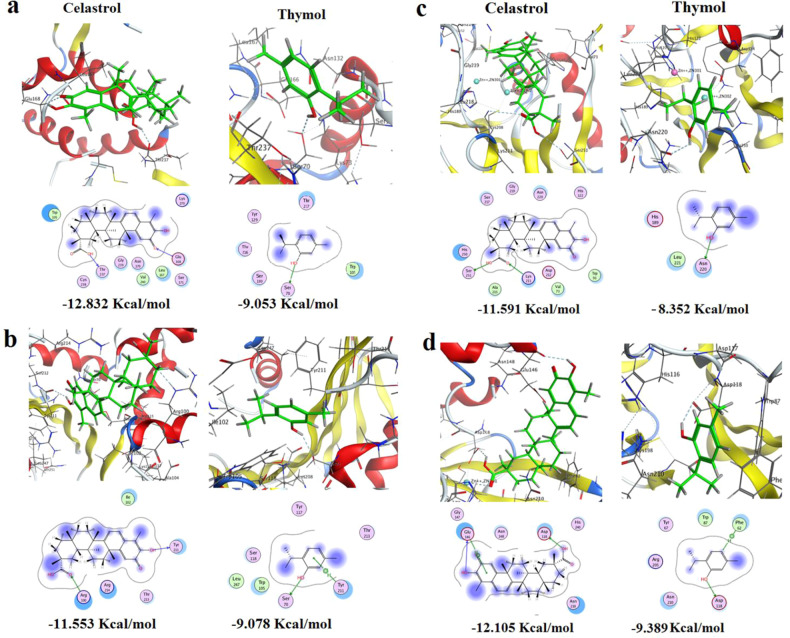
Klebsiella pneumoniae is an opportunistic pathogen causing nosocomial and community-acquired infections. Klebsiella has developed resistance against antimicrobials including the last resort class; carbapenem. Currently, treatment options for carbapenem-resistant-Klebsiella (CRK) are very limited. This study aims to restore carbapenem effectiveness against CRK using celastrol and thymol. Clinical Klebsiella isolates were identified using biochemical and molecular methods. Antimicrobial susceptibility was determined using disk-diffusion method. Carbapenemase-production was tested phenotypically and genotypically. Celastrol and thymol-MICs were determined and the carbapenemase-inhibitory effect of sub-MICs was investigated. Among 85 clinical Klebsiella isolates, 72 were multi-drug-resistant and 43 were meropenem-resistant. Phenotypically, 39 isolates were carbapenemase-producer. Genotypically, blaNDM1 was detected in 35 isolates, blaVIM in 17 isolates, blaOXA in 18 isolates, and blaKPC was detected only in 6 isolates. Celastrol showed significant inhibitory effect against carbapenemase-hydrolytic activity. Meropenem-MIC did not decrease in presence of celastrol, only 2-fold decrease was observed with thymol, while 4-64 fold decrease was observed when meropenem was combined with both celastrol and thymol. Furthermore, thymol increased CRK cell wall-permeability. Molecular docking revealed that celastrol is superior to thymol for binding to KPC and VIM-carbapenemase. Our study showed that celastrol is a promising inhibitor of multiple carbapenemases. While meropenem-MIC were not affected by celastrol alone and decreased by only 2-folds with thymol, it decreased by 4-64 folds in presence of both celastrol and thymol. Thymol increases the permeability of CRK-envelope to celastrol. The triple combination (meropenem/celastrol/thymol) could be useful for developing more safe and effective analogues to restore the activity of meropenem and other β-lactams.
© 2022. The Author(s).
Conflict of interest statement
The authors declare no competing interests.
Figures
References
-
- Holt KE, Wertheim H, Zadoks RN, Baker S, Whitehouse CA, Dance D, et al. Genomic analysis of diversity, population structure, virulence, and antimicrobial resistance in Klebsiella pneumoniae, an urgent threat to public health. Proc Natl Acad Sci U S A. 2015;112:E3574–81. doi: 10.1073/pnas.1501049112. - DOI - PMC - PubMed
-
- Moya C, Maicas S. Antimicrobial resistance in Klebsiella pneumoniae strains: mechanisms and outbreaks. Proceedings. 2020;66:11. doi: 10.3390/proceedings2020066011. - DOI
Publication types
MeSH terms
Substances
LinkOut - more resources
Full Text Sources
Miscellaneous
