


Caregivers' psychosocial assessment for identifying HIV-infected infants at risk of poor treatment adherence: an exploratory study in southern Mozambique
- PMID: 36169018
- PMCID: PMC10071299
- DOI: 10.1080/09540121.2022.2125159
Caregivers' psychosocial assessment for identifying HIV-infected infants at risk of poor treatment adherence: an exploratory study in southern Mozambique
Abstract
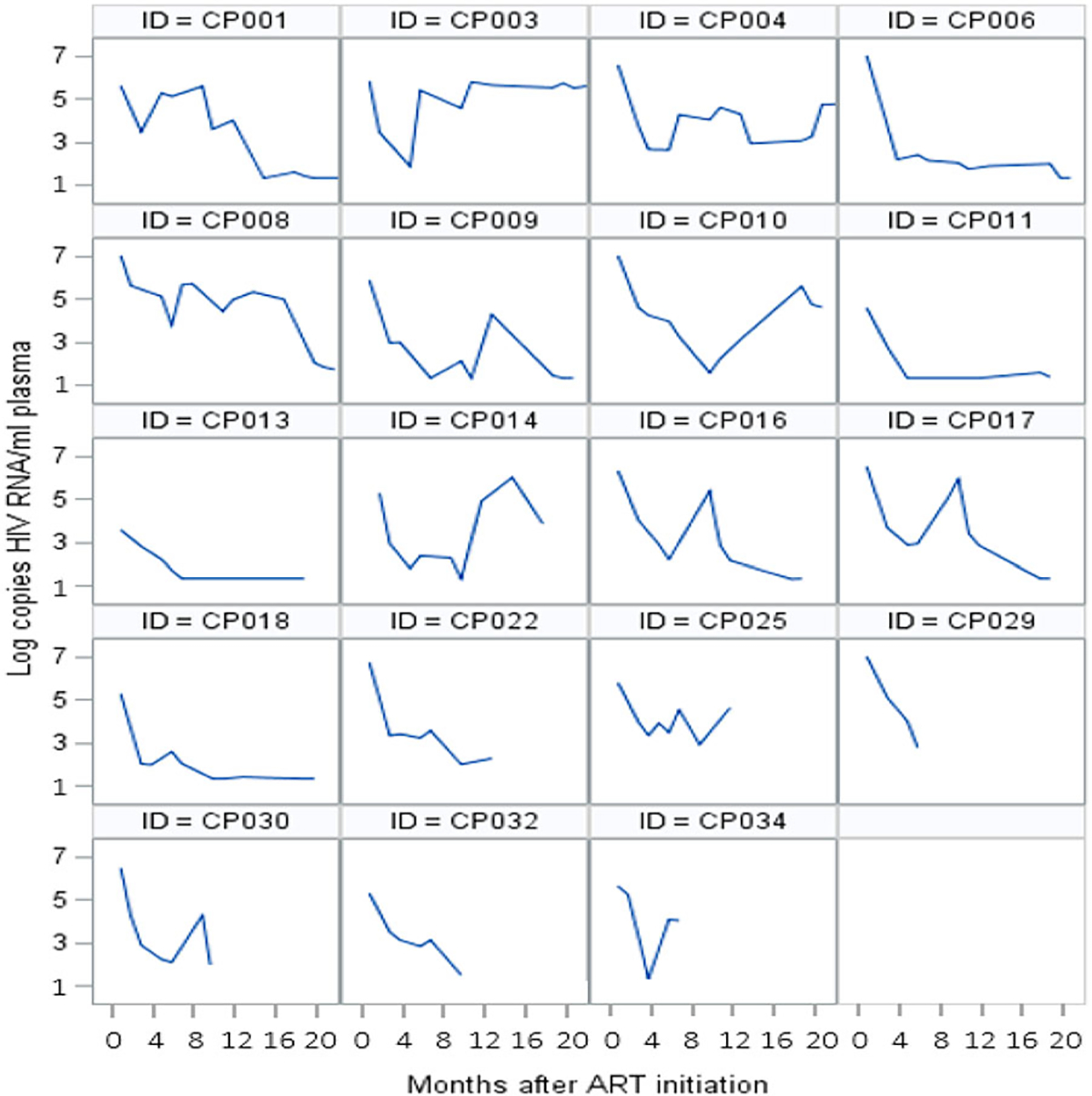
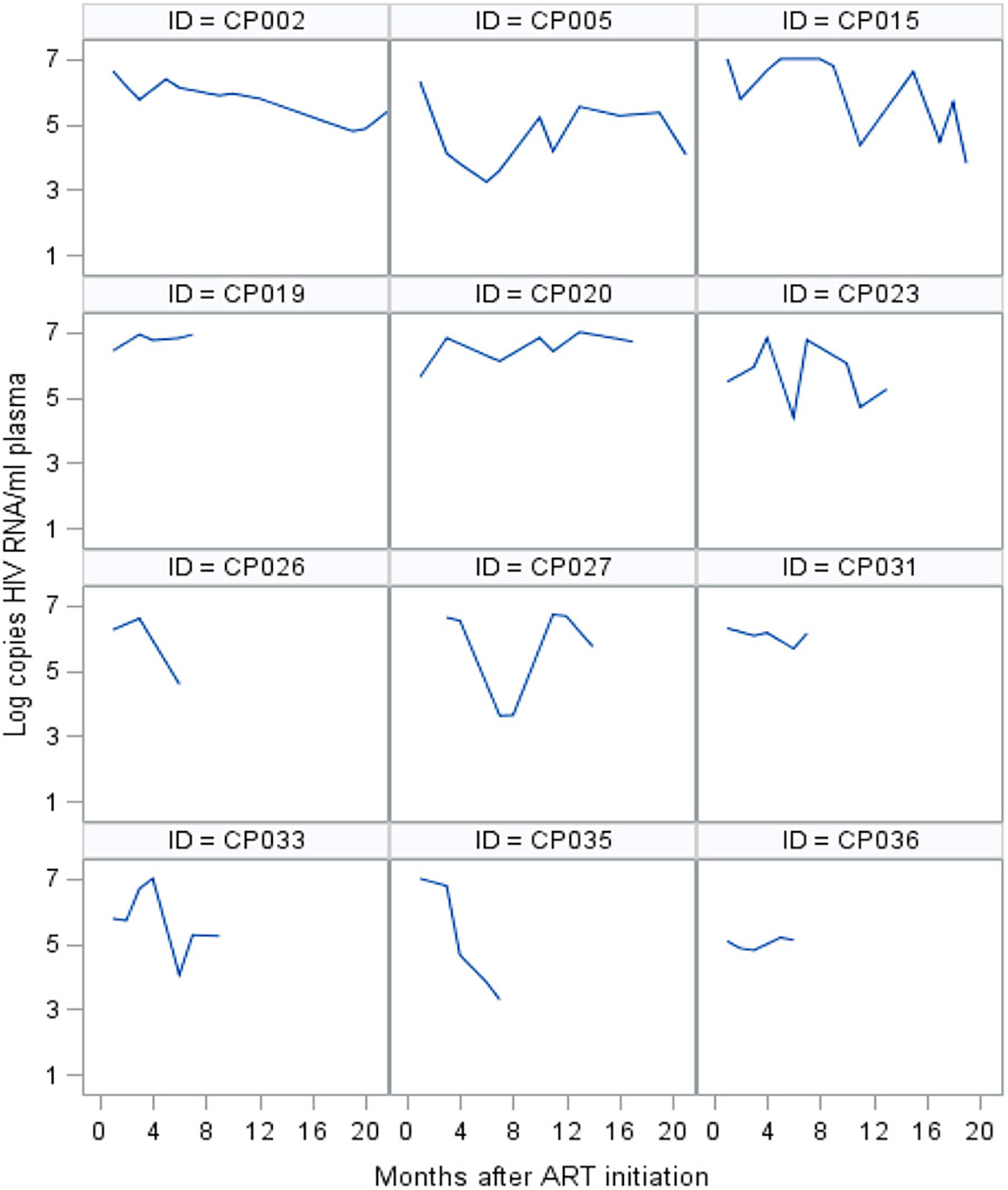
Psychosocial support (PSS) to caregivers of HIV-infected infants on antiretroviral treatment (ART) is crucial to ensure ART adherence and sustained long-term viral suppression in children. A specific approach including tools to monitor and understand adherence behavior and risk factors that prevent optimal treatment compliance are urgently needed. This qualitative exploratory study, conducted in southern Mozambique, monitored the infants' viral response trajectories during 18 months follow-up, as a measure of adherence, reviewed the caregiver's PSS session notes and the answers to a study questionnaire, to analyze whether the standard PSS checklist applied to infants' caregivers can identify barriers influencing their adherence. Only 9 of 31 infants had sustained virologic response. Reported factors affecting adherence were: difficulties in drugs administration, shared responsibility to administer treatment; disclosure of child's HIV status to family members but lack of engagement; mother's ART interruption and poor viral response. In conclusion, we found that the standard PSS approach alone, applied to caregivers, was lacking focus on many relevant matters that were identified by the study questionnaire. A comprehensive patient-centered PSS package of care, including an adherence risk factor monitoring tool, tailored to caregivers and their children must be developed.
Keywords: Antiretroviral therapy; HIV-infected infants; Mozambique; adherence; psychosocial support; viral suppression.
Conflict of interest statement
Disclosure statement
No potential conflict of interest was reported by the author(s).
Figures
References
-
- Bagenda A, Barlow-Mosha L, Bagenda D, Sakwa R, Fowler MG, & Musoke PM (2011). Adherence to tablet and liquid formulations of antiretroviral medication for paediatric HIV treatment at an urban clinic in Uganda. Annals of Tropical Paediatrics, 31(3), 235–245. 10.1179/1465328111Y.0000000025 - DOI - PubMed
-
- Bennetts A, Shaffer N, Manopaiboon C, Chaiyakul P, Siriwasin W, Mock P, Klumthanom K, Sorapipatana S, Yuvasevee C, Jalanchavanapate S, & Clark L (1999). Determinants of depression and HIV-related worry among HIV-positive women who have recently given birth, Bangkok, Thailand. Social Science & Medicine, 49(6), 737–749. 10.1016/S02779536(99)00108-2 - DOI - PubMed
-
- Bwirire LD, Fitzgerald M, Zachariah R, Chikafa V, Massaquoi M, Moens M, Kamoto K, & Schouten EJ (2008). Reasons for loss to follow-up among mothers registered in a prevention-of-mother-to-child transmission program in rural Malawi. Transactions of The Royal Society of Tropical Medicine and Hygiene, 102(12), 1195–1200. 10.1016/j.trstmh.2008.04.002 - DOI - PubMed
Publication types
MeSH terms
Substances
Grants and funding
LinkOut - more resources
Full Text Sources
Medical
