


An overview of resistance to chemotherapy in osteosarcoma and future perspectives
- PMID: 36176756
- PMCID: PMC9511812
- DOI: 10.20517/cdr.2022.18
An overview of resistance to chemotherapy in osteosarcoma and future perspectives
Abstract
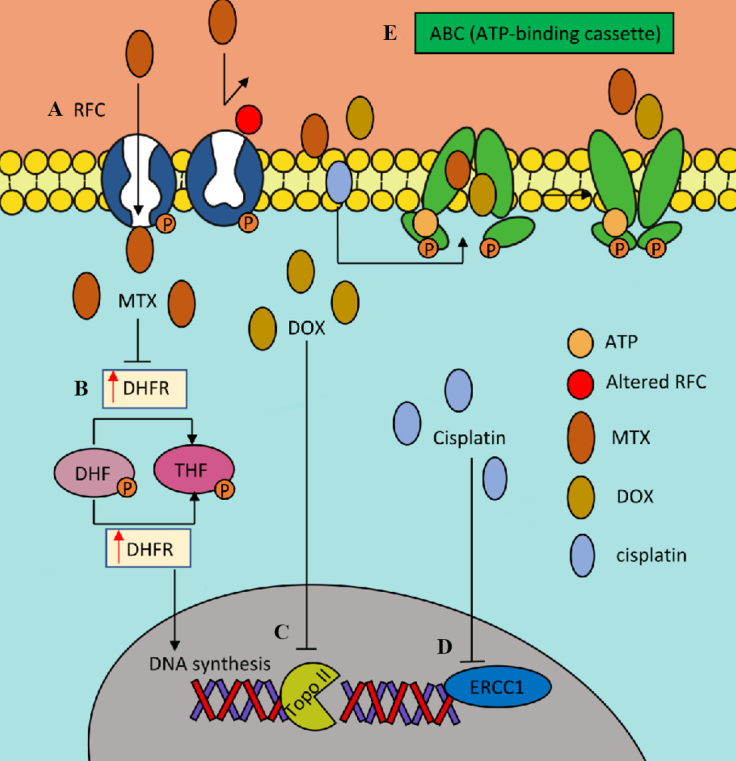
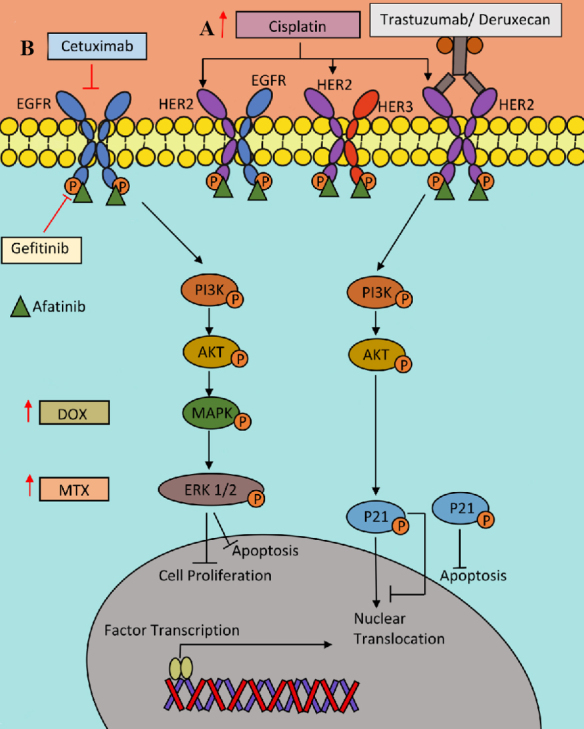
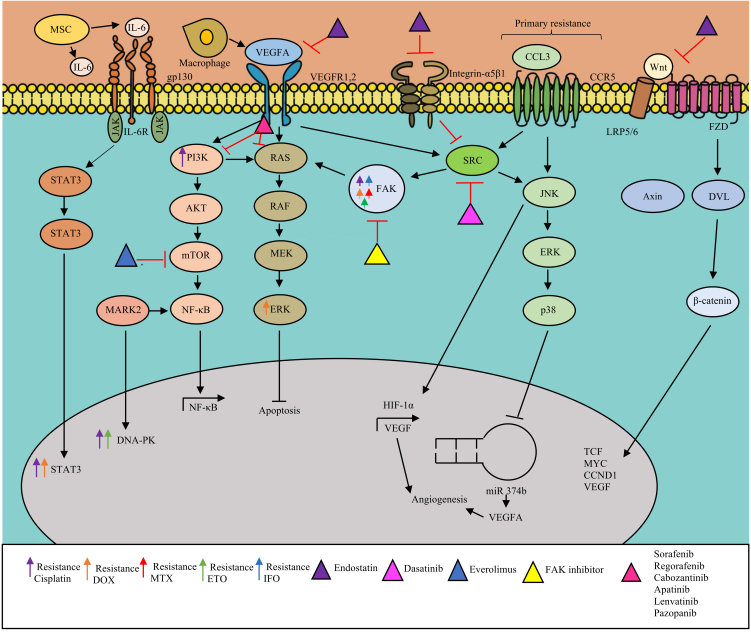
Osteosarcoma (OS) is the most common type of bone sarcoma. Despite the availability of multimodal treatment with surgery and chemotherapy, the clinical results remain unsatisfactory. The main reason for the poor outcomes in patients with OS is the development of resistance to methotrexate, cisplatin, doxorubicin, and ifosfamide. Molecular and cellular mechanisms associated with resistance to chemotherapy include DNA repair and cell-cycle alterations, enhanced drug efflux, increased detoxification, resistance to apoptosis, autophagy, tumor extracellular matrix, and angiogenesis. This versatility of cells to generate chemoresistance has motivated the use of anti-angiogenic therapy based on tyrosine kinase inhibitors. This approach has shown that other therapies, along with standard chemotherapy, can improve responses to therapy in patients with OS. Moreover, microRNAs may act as predictors of drug resistance in OS. This review provides insight into the molecular and cellular mechanisms involved in the development of resistance during the treatment of OS and discusses promising novel therapies (e.g., afatinib and palbociclib) for overcoming resistance to chemotherapy in OS.
Keywords: Osteosarcoma; cell cycle; therapy resistance; tumoral extracellular microenvironment; tyrosine kinase inhibitor.
© The Author(s) 2022.
Conflict of interest statement
All authors declared that there are no conflicts of interest.
Figures
References
-
- Ottaviani G, Jaffe N. The etiology of osteosarcoma. In: Jaffe N, Bruland OS, Bielack S, editors. Pediatric and adolescent osteosarcoma. Boston: Springer US; 2010. pp. 15-32. - DOI
Publication types
LinkOut - more resources
Full Text Sources