Community-based SARS-CoV-2 testing in low-income neighbourhoods in Rotterdam: Results from a pilot study
- PMID: 36181719
- PMCID: PMC9526478
- DOI: 10.7189/jogh.12.05042
Community-based SARS-CoV-2 testing in low-income neighbourhoods in Rotterdam: Results from a pilot study
Abstract
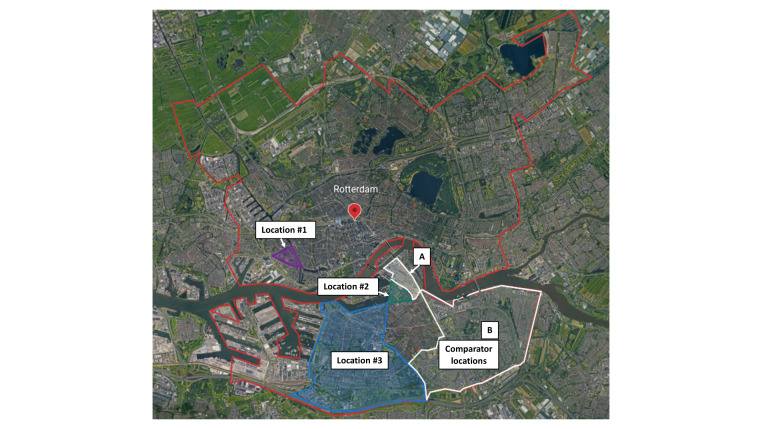
Background: High incidence of severe acute respiratory syndrome coronavirus 2 (SARS-CoV-2) and low testing uptake were reported in low-income neighbourhoods in Rotterdam. We aimed to improve willingness and access to testing by introducing community-based test facilities, and to evaluate the effectiveness of a rapid antigen detection test (RDT).
Methods: Two to eleven test facilities operated consecutively in three low-income neighbourhoods in Rotterdam, offering the options of walk-in or appointments. Background characteristics were collected at intake and one nasopharyngeal swab was taken and processed using both RDT and reverse transcription polymerase chain reaction (RT-PCR). Visitors were asked to join a survey for evaluation purposes.
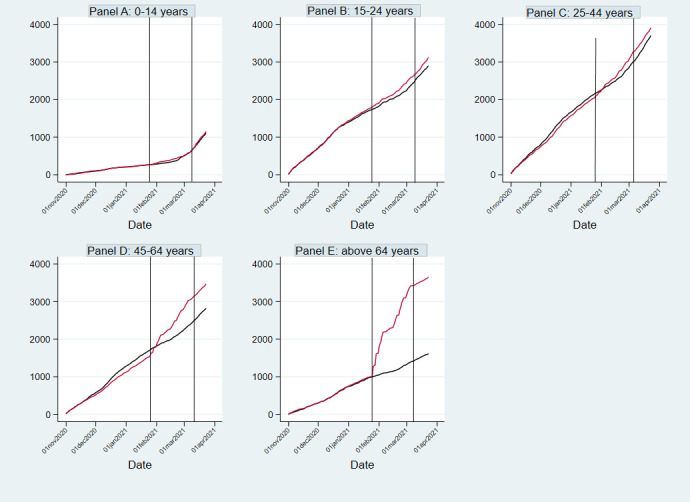
Results: In total, 19 773 visitors were tested - 9662 (48.9%) without an appointment. Walk-in visitors were older, lived more often in the proximity of the test facilities, and reported coronavirus disease (COVID-19)-related symptoms less often than by-appointment visitors. For 67.7% of the visitors, this was the first time they got tested. A total of 1211 (6.1%) tested SARS-CoV-2-positive with RT-PCR, of whom 309 (25.5%) were asymptomatic. Test uptake increased among residents of the pilot neighbourhoods, especially in the older age groups, compared to people living in comparable neighbourhoods without community-based testing facilities. RDT detected asymptomatic individuals with 71.8% sensitivity, which was acceptable in this high prevalence setting. Visitors reported positive attitudes towards the test facilities and welcomed the easy access.
Conclusions: Offering community-based SARS-CoV-2 testing seems a promising approach for increasing testing uptake among specific populations in low-income neighbourhoods.
Copyright © 2022 by the Journal of Global Health. All rights reserved.
Conflict of interest statement
Disclosure of interest: The authors completed the ICMJE Disclosure of Interest Form (available upon request from the corresponding author) and declare no relevant interests.
Figures
References
-
- World Health Organization. Listings of WHO’s response to COVID-19, 2020 (updated 29 January 2021). Available: https://www.who.int/news/item/29-06-2020-covidtimeline. Accessed: 26 July 2022.
-
- FIND. COVID-19 test directory. 2020. Available: https://www.finddx.org/covid-19/test-directory/. Accessed 26 July 2022.
-
- National Institute for Public Health and the Environment (RIVM). Information about COVID-19 testing; 2020 (updated 09-06-2022). Available from: https://www.rivm.nl/en/coronavirus-covid-19/testing. Accessed 26 July 2022.
-
- National Institute for Public Health and the Environment (RIVM). Epidemiological situation COVID-19 in the Netherlands, 10 November 2020 [in Dutch]. Available: https://www.rivm.nl/sites/default/files/2020-11/COVID-19_WebSite_rapport.... Accessed 26 July 2022.
MeSH terms
LinkOut - more resources
Full Text Sources
Medical
Miscellaneous