


Fibroblast growth factor 10 attenuates chronic obstructive pulmonary disease by protecting against glycocalyx impairment and endothelial apoptosis
- PMID: 36183124
- PMCID: PMC9526324
- DOI: 10.1186/s12931-022-02193-5
Fibroblast growth factor 10 attenuates chronic obstructive pulmonary disease by protecting against glycocalyx impairment and endothelial apoptosis
Abstract
Background: The defects and imbalance in lung repair and structural maintenance contribute to the pathogenesis of chronic obstructive pulmonary diseases (COPD), yet the molecular mechanisms that regulate lung repair process are so far incompletely understood. We hypothesized that cigarette smoking causes glycocalyx impairment and endothelial apoptosis in COPD, which could be repaired by the stimulation of fibroblast growth factor 10 (FGF10)/FGF receptor 1 (FGFR1) signaling.
Methods: We used immunostaining (immunohistochemical [IHC] and immunofluorescence [IF]) and enzyme-linked immunosorbent assay (ELISA) to detect the levels of glycocalyx components and endothelial apoptosis in animal models and in patients with COPD. We used the murine emphysema model and in vitro studies to determine the protective and reparative role of FGF10/FGFR1.
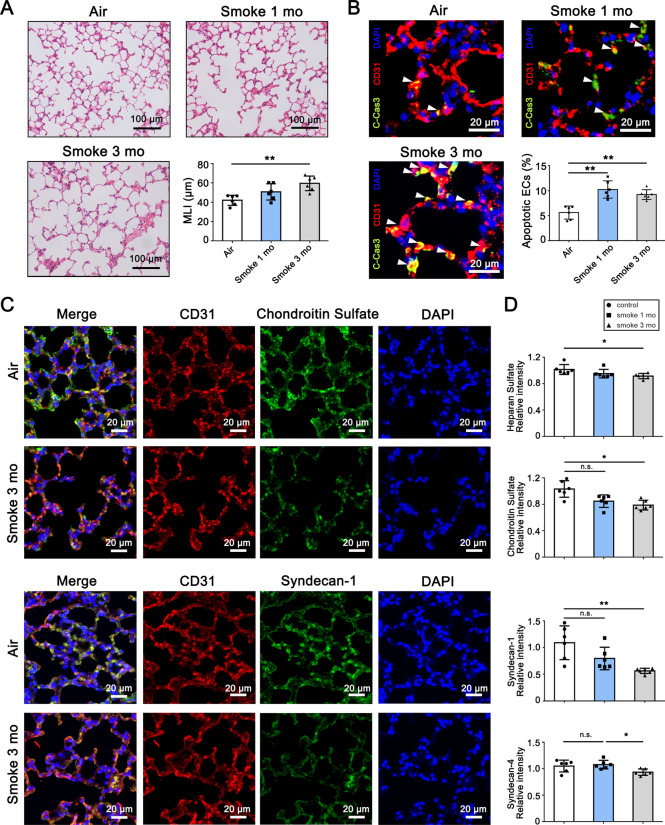
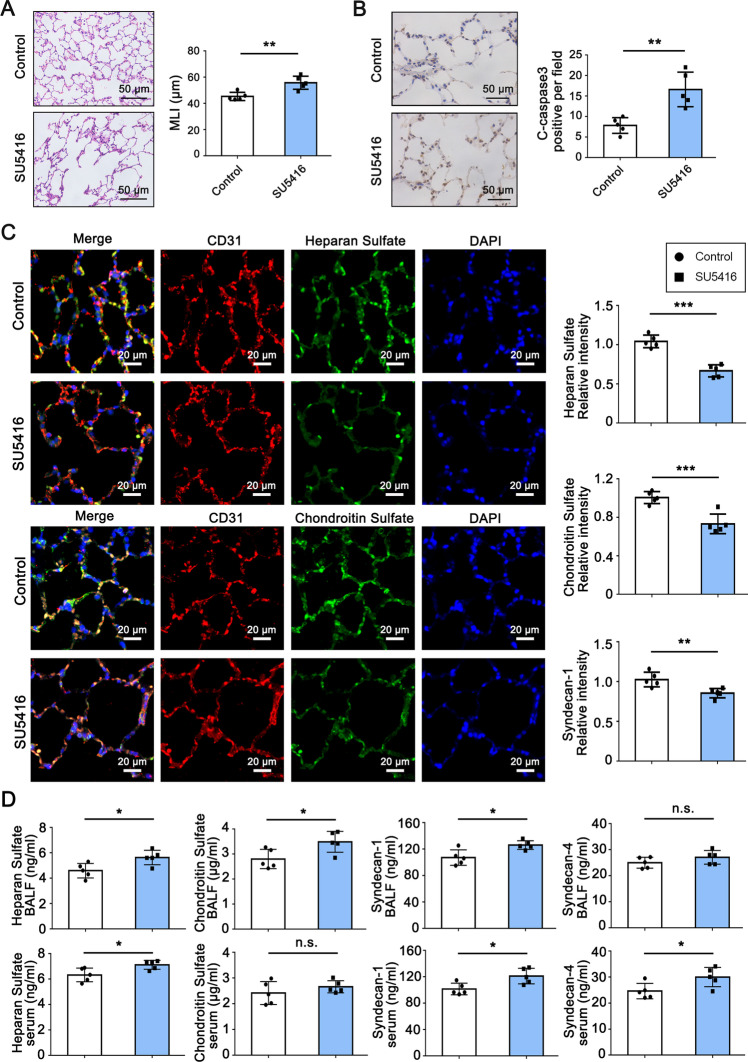
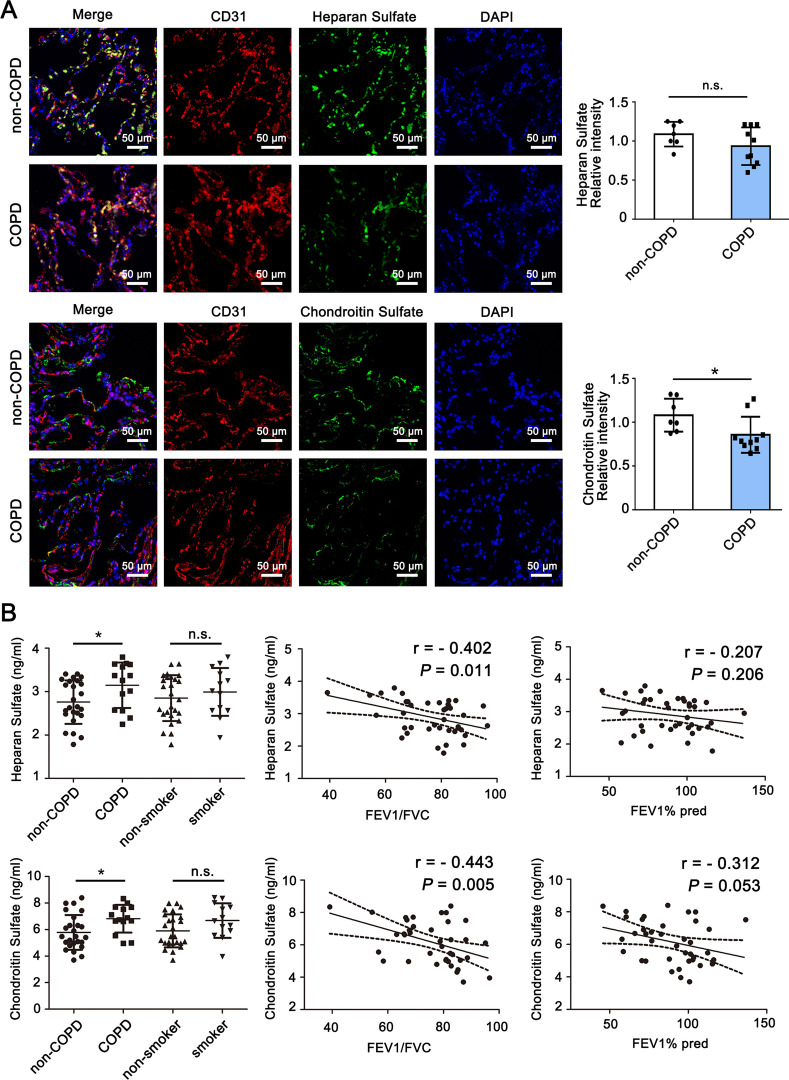
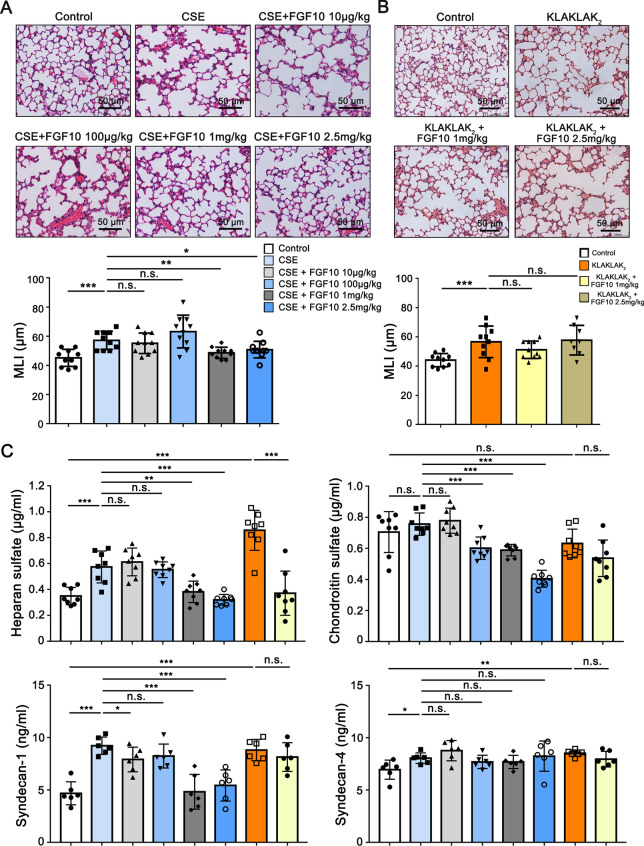
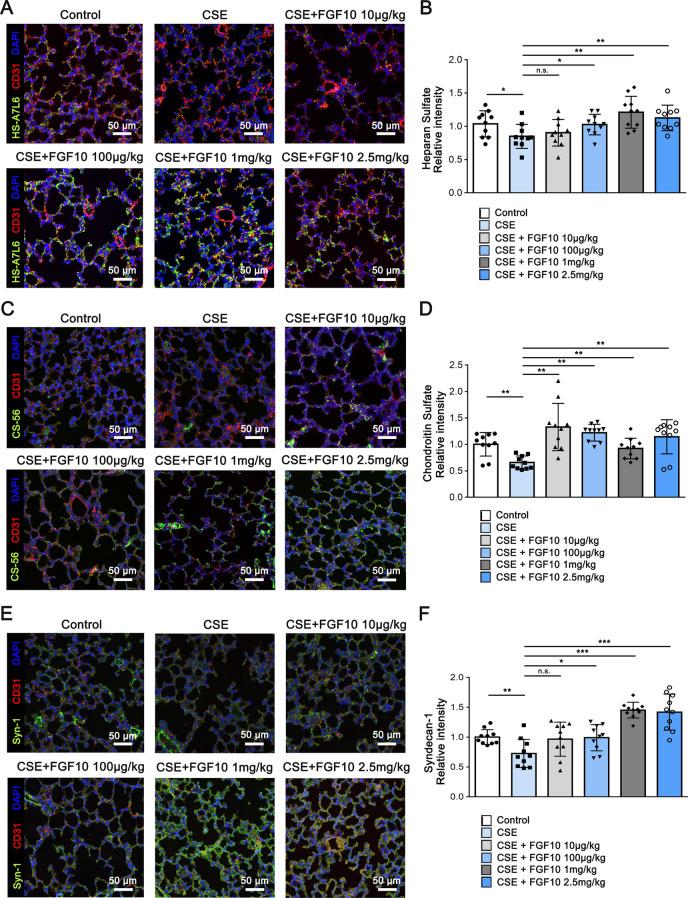
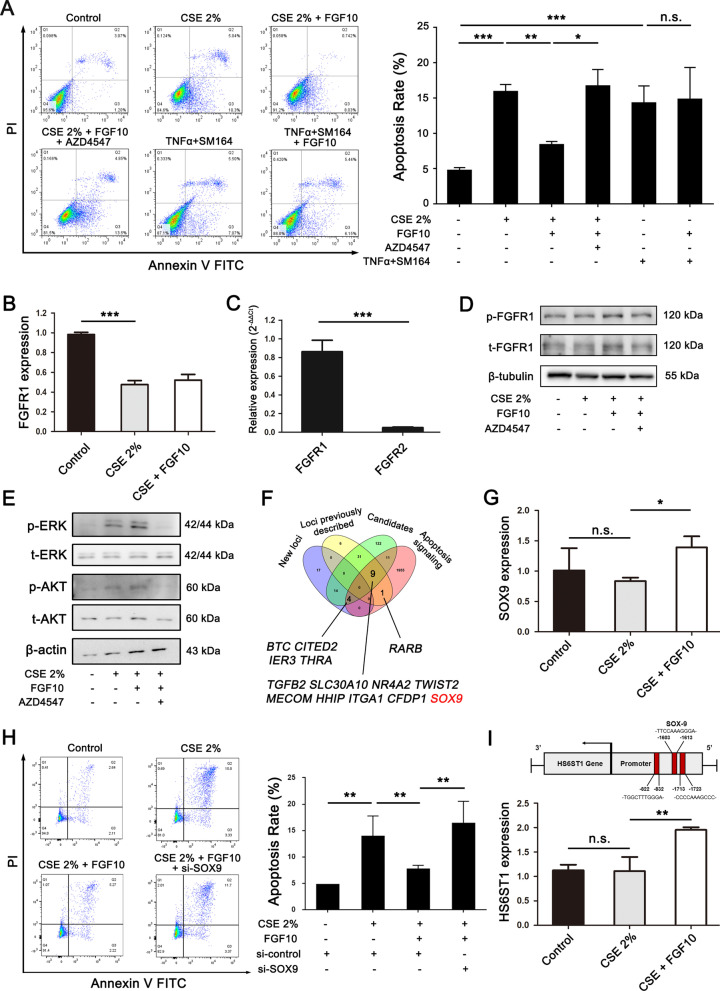
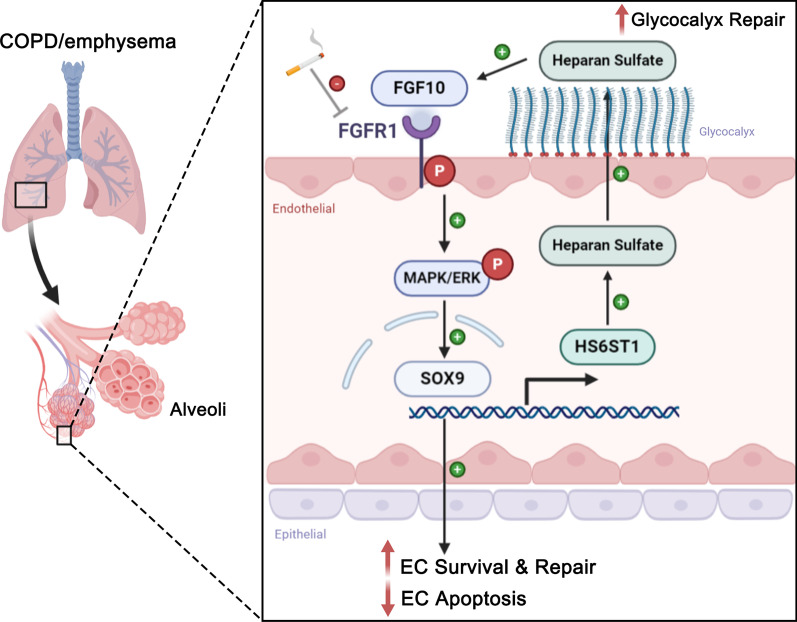
Results: Exposure to cigarette smoke caused endothelial glycocalyx impairment and emphysematous changes in murine models and human specimens. Pretreatment of FGF10 attenuated the development of emphysema and the shedding of glycocalyx components induced by CSE in vivo. However, FGF10 did not attenuate the emphysema induced by endothelial-specific killing peptide CGSPGWVRC-GG-D(KLAKLAK)2. Mechanistically, FGF10 alleviated smoke-induced endothelial apoptosis and glycocalyx repair through FGFR1/ERK/SOX9/HS6ST1 signaling in vitro. FGF10 was shown to repair pulmonary glycocalyx injury and endothelial apoptosis, and attenuate smoke-induced COPD through FGFR1 signaling.
Conclusions: Our results suggest that FGF10 may serve as a potential therapeutic strategy against COPD via endothelial repair and glycocalyx reconstitution.
Keywords: Chronic obstructive pulmonary diseases (COPD); Endothelial apoptosis; Fibroblast growth factor 10 (FGF10); Fibroblast growth factor receptor 1 (FGFR1); Glycocalyx.
© 2022. The Author(s).
Conflict of interest statement
The authors have no conflicts of interest to declare.
Figures
References
-
- Collaborators GBDCRD Global, regional, and national deaths, prevalence, disability-adjusted life years, and years lived with disability for chronic obstructive pulmonary disease and asthma, 1990–2015: a systematic analysis for the Global Burden of Disease Study 2015. Lancet Respir Med. 2017;5:691–706. doi: 10.1016/S2213-2600(17)30293-X. - DOI - PMC - PubMed
-
- Haeger SM, Liu X, Han X, McNeil JB, Oshima K, McMurtry SA, Yang Y, Ouyang Y, Zhang F, Nozik-Grayck E, et al. Epithelial heparan sulfate contributes to alveolar barrier function and is shed during lung injury. Am J Respir Cell Mol Biol. 2018;59:363–374. doi: 10.1165/rcmb.2017-0428OC. - DOI - PMC - PubMed
MeSH terms
Substances
Grants and funding
LinkOut - more resources
Full Text Sources
Medical
Molecular Biology Databases
Research Materials
Miscellaneous
