


Long-term Outcomes Among Young Adults With Type 2 Diabetes Based on Durability of Glycemic Control: Results From the TODAY Cohort Study
- PMID: 36190810
- PMCID: PMC9679266
- DOI: 10.2337/dc22-0784
Long-term Outcomes Among Young Adults With Type 2 Diabetes Based on Durability of Glycemic Control: Results From the TODAY Cohort Study
Abstract
Objective: To examine the effect of different patterns of durable glycemic control on the development of comorbidities among youth with type 2 diabetes (T2D) and to assess the impact of fasting glucose (FG) variability on the clinical course of T2D.
Research design and methods: From the Treatment Options for Type 2 Diabetes in Adolescents and Youth (TODAY) study, 457 participants (mean age, 14 years) with mean diabetes duration <2 years at entry and a minimum study follow-up of 10 years were included in these analyses. HbA1c, FG concentrations, and β-cell function estimates from oral glucose tolerance tests were measured longitudinally. Prevalence of comorbidities by glycemic control status after 10 years in the TODAY study was assessed.
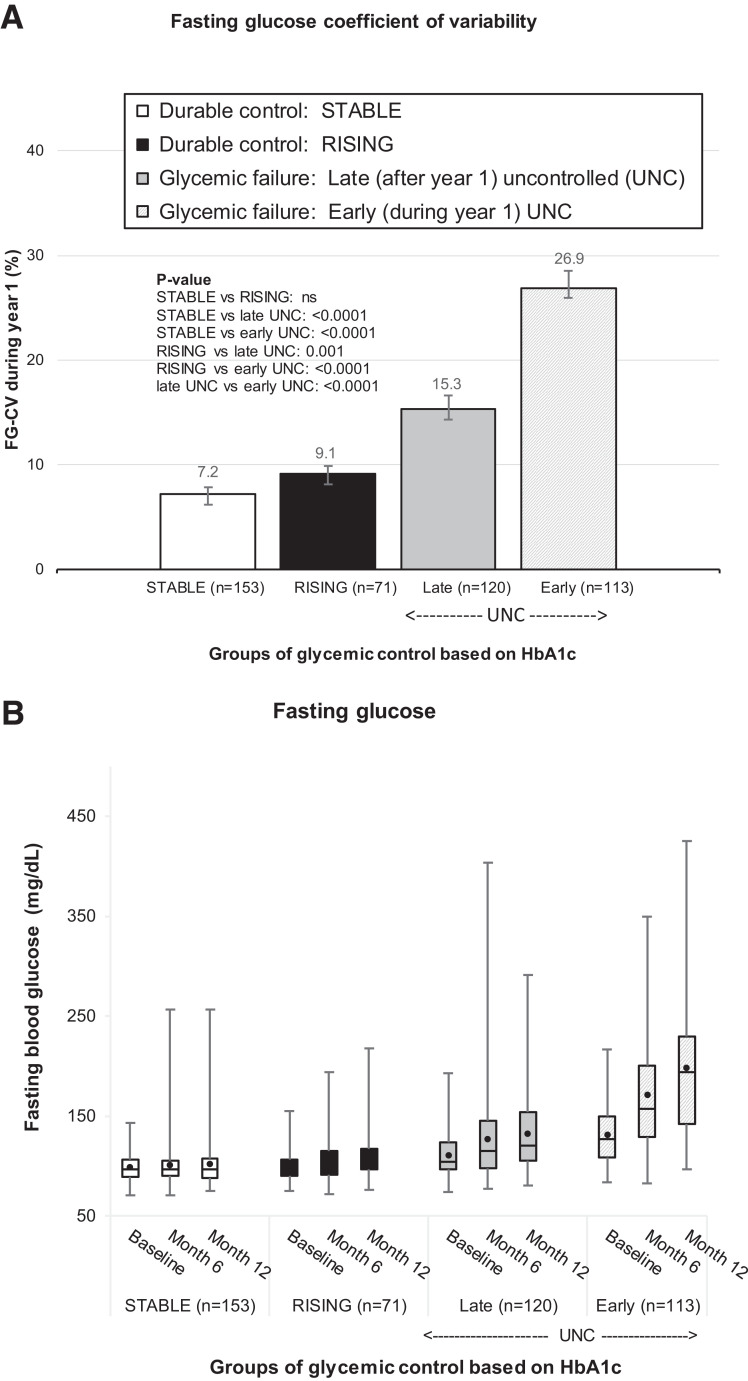
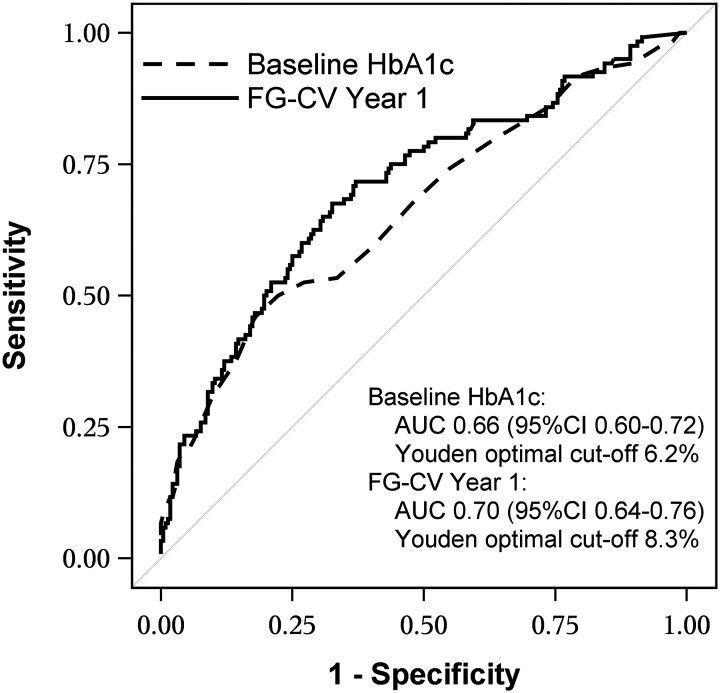
Results: Higher baseline HbA1c concentration, lower β-cell function, and maternal history of diabetes were strongly associated with loss of glycemic control in youth with T2D. Higher cumulative HbA1c concentration over 4 years and greater FG variability over a year within 3 years of diagnosis were related to higher prevalence of dyslipidemia, nephropathy, and retinopathy progression over the subsequent 10 years. A coefficient of variability in FG ≥8.3% predicted future loss of glycemic control and development of comorbidities.
Conclusions: Higher baseline HbA1c concentration and FG variability during year 1 accurately predicted youth with T2D who will experience metabolic decompensation and comorbidities. These values may be useful tools for clinicians when considering early intensification of therapy.
© 2022 by the American Diabetes Association.
Figures
References
-
- Nathan DM, Genuth S, Lachin J, et al. .; Diabetes Control and Complications Trial Research Group . The effect of intensive treatment of diabetes on the development and progression of long-term complications in insulin-dependent diabetes mellitus. N Engl J Med 1993;329:977–986 - PubMed
-
- UK Prospective Diabetes Study (UKPDS) Group . Intensive blood-glucose control with sulphonylureas or insulin compared with conventional treatment and risk of complications in patients with type 2 diabetes (UKPDS 33). Lancet 1998;352:837–853 - PubMed
-
- Holman RR, Paul SK, Bethel MA, Matthews DR, Neil HA. 10-year follow-up of intensive glucose control in type 2 diabetes. N Engl J Med 2008;359:1577–1589 - PubMed
-
- Lachin JM, Nathan DM; DCCT/EDIC Research Group . Understanding metabolic memory: the prolonged influence of glycemia during the Diabetes Control and Complications Trial (DCCT) on future risks of complications during the Study of the Epidemiology of Diabetes Interventions and Complications (EDIC). Diabetes Care 2021;44:2216–2224 - PMC - PubMed
-
- Ceriello A, Monnier L, Owens D. Glycaemic variability in diabetes: clinical and therapeutic implications. Lancet Diabetes Endocrinol 2019;7:221–230 - PubMed
Publication types
MeSH terms
Substances
Grants and funding
LinkOut - more resources
Full Text Sources
Medical
