


Management of patella maltracking after total knee arthroplasty: a systematic review
- PMID: 36197592
- PMCID: PMC10191954
- DOI: 10.1007/s12306-022-00764-9
Management of patella maltracking after total knee arthroplasty: a systematic review
Abstract
Purpose: Patella maltracking is among the most frequent causes of poor outcomes and early failure after total knee arthroplasty (TKA), with an incidence that ranges from 1 to 20%. Even if there is agreement between authors regarding the preoperative and intraoperative management of patella maltracking in TKA, less clear are postoperative conducts. The purpose of this systematic review is to summarize and compare surgical techniques used to treat patella maltracking after TKA.
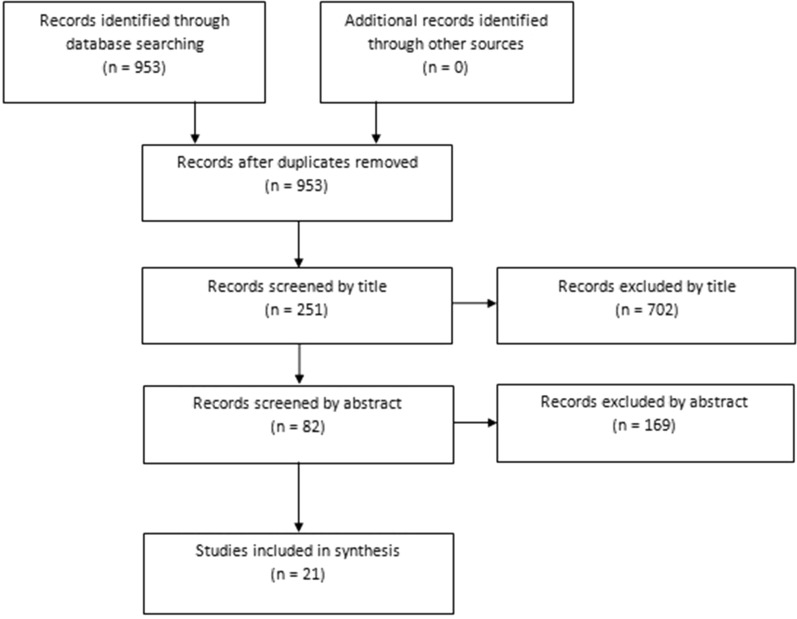
Methods: A systematic review of the literature was performed with a primary search on Medline through PubMed. The PRISMA 2009 flowchart and checklist were used to edit the review. Screened studies had to provide clinical, functional and radiological results and complications of the proposed treatment to be included in the review.
Results: A total of 21 articles were finally included. Three main types of surgical procedures and other minor techniques have been identified to manage patella maltracking after TKA. The choice of the proper technique to use in the specific case depends on several factors, first of all the malpositioning of the prosthetic components.
Conclusion: Patella maltracking after TKA represents a frequent and challenging problem for orthopedic surgeons. Treatments described in the literature are often able to correct an abnormal patellar tracking; nevertheless, authors report variable percentages of residual knee pain and dissatisfaction in re-treated patients. Therefore, it would be desirable to prevent the maltracking condition at the time of primary arthroplasty, using proper surgical precautions.
Keywords: Knee pain; Outcome; Patella maltracking; Review; Total knee arthroplasty.
© 2022. The Author(s).
Conflict of interest statement
The authors declare that they have no conflict of interest.
Figures
References
Publication types
MeSH terms
LinkOut - more resources
Full Text Sources
Medical