


The development of coronaphobia scale and psychometric effect among UAE people
- PMID: 36210863
- PMCID: PMC9531363
- DOI: 10.1016/j.heliyon.2022.e10875
The development of coronaphobia scale and psychometric effect among UAE people
Erratum in
-
Corrigendum to "The development of coronaphobia scale and psychometric effect among UAE people" [Heliyon 8(10) (October 2022) e10875].Heliyon. 2023 May;9(5):e16024. doi: 10.1016/j.heliyon.2023.e16024. Epub 2023 May 5. Heliyon. 2023. PMID: 37251877 Free PMC article.
Abstract
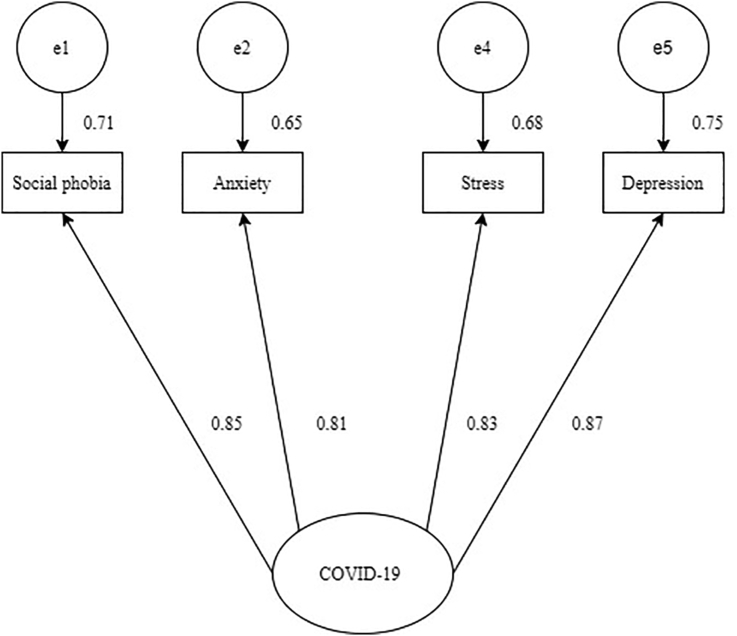
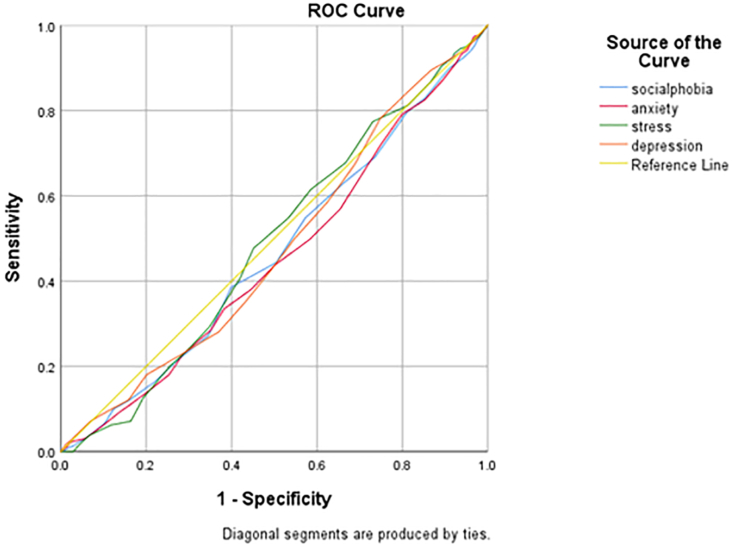
The effects of the COVID-19 pandemic on mental health are likely to worsen as the epidemic progresses and will last long even after the pandemic has passed. The present study developed a coronaphobia scale during the pandemic to measure its psychological effects such as fear, anxiety, and depression in the majority of the cases in the United Arab Emirates (UAE). It is a 35-item scale that measures anxiety symptoms connected with COVID-19 and may be used to identify people who require mental health treatment. Based on 618 adults, the reliability and validity of these items were appropriate. The scales were distributed via social media using a Google form. Internal consistency, reliability analysis, and structural equation models, particularly confirmatory factor analysis, were carried out. The elevated scores on the coronaphobia scale were associated with social phobia, anxiety, stress, and depression. The coronaphobia score distinguishes well between those with and without dysfunctional anxiety (85% specificity and 90% sensitivity). These results support the coronaphobia scale as a valid and effective tool for clinical practice and research.
Keywords: COVID-19; Coronaphobia scale; Development; Psychometric; UAE.
© 2022 The Author.
Conflict of interest statement
The authors declare no conflict of interest.
Figures
References
-
- Asselmann E., Wittchen H.U., Lieb R., Höfler M., Beesdo-Baum K. Associations of fearful spells and panic attacks with incident anxiety, depressive, and substance use disorders: a 10-year prospective-longitudinal community study of adolescents and young adults. J. Psychiatr. Res. 2014;55:8–14. - PubMed
LinkOut - more resources
Full Text Sources
