


Longitudinal analysis of exposure to a low concentration of oxytetracycline on the zebrafish gut microbiome
- PMID: 36212820
- PMCID: PMC9536460
- DOI: 10.3389/fmicb.2022.985065
Longitudinal analysis of exposure to a low concentration of oxytetracycline on the zebrafish gut microbiome
Abstract
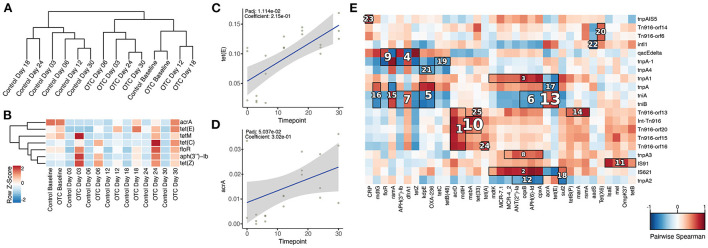
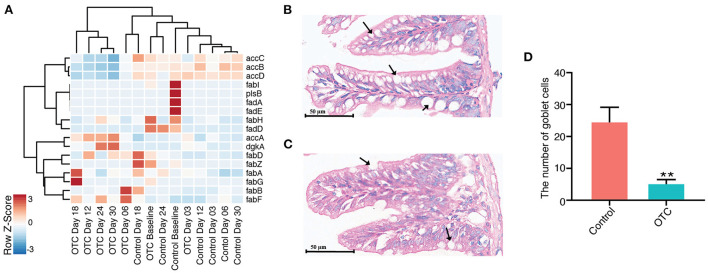
Oxytetracycline, a widely produced and administered antibiotic, is uncontrollably released in low concentrations in various types of environments. However, the impact of exposure to such low concentrations of antibiotics on the host remains poorly understood. In this study, we exposed zebrafish to a low concentration (5,000 ng/L) of oxytetracycline for 1 month, collected samples longitudinally (Baseline, and Days 3, 6, 9, 12, 24, and 30), and elucidated the impact of exposure on microbial composition, antibiotic resistance genes, mobile genetic elements, and phospholipid metabolism pathway through comparison of the sequenced data with respective sequence databases. We identified Pseudomonas aeruginosa, a well-known pathogen, to be significantly positively associated with the duration of oxytetracycline exposure (Adjusted P = 5.829e-03). Several tetracycline resistance genes (e.g., tetE) not only showed significantly higher abundance in the exposed samples but were also positively associated with the duration of exposure (Adjusted P = 1.114e-02). Furthermore, in the exposed group, the relative abundance of genes involved in phospholipid metabolism had also decreased. Lastly, we characterized the impact of exposure on zebrafish intestinal structure and found that the goblet cell counts were decreased (~82%) after exposure. Overall, our results show that a low concentration of oxytetracycline can increase the abundance of pathogenic bacteria and lower the abundance of key metabolic pathways in the zebrafish gut microbiome that can render them prone to bacterial infections and health-associated complications.
Keywords: antibiotic exposure; environmental pollution; goblet cells; gut microbiome; longitudinal analysis; low concentration; oxytetracycline.
Copyright © 2022 Kayani, Yu, Qiu, Yu, Chen and Huang.
Conflict of interest statement
The authors declare that the research was conducted in the absence of any commercial or financial relationships that could be construed as a potential conflict of interest.
Figures


References
-
- Andrews S. (2010). FastQC: A Quality Control Tool for High Throughput Sequence Data. Cambridge: Babraham Bioinformatics, Babraham Institute.
LinkOut - more resources
Full Text Sources
Research Materials
Miscellaneous
