


Shenxian-Shengmai Oral Liquid Evoke Autophagy of Fibroblast to Attenuate Sinoatrial Node Fibrosis in Sick Sinus Syndrome Mice via the AKT/mTOR Pathway
- PMID: 36212944
- PMCID: PMC9534627
- DOI: 10.1155/2022/5219277
Shenxian-Shengmai Oral Liquid Evoke Autophagy of Fibroblast to Attenuate Sinoatrial Node Fibrosis in Sick Sinus Syndrome Mice via the AKT/mTOR Pathway
Abstract
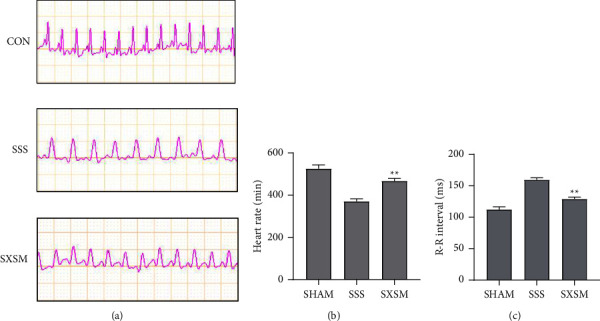
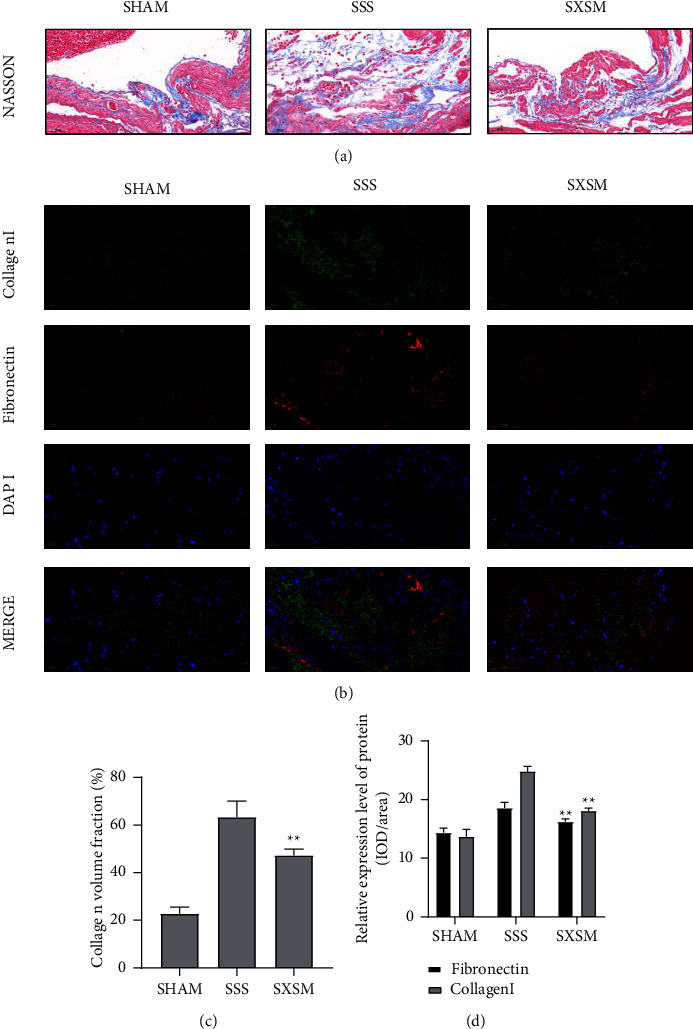
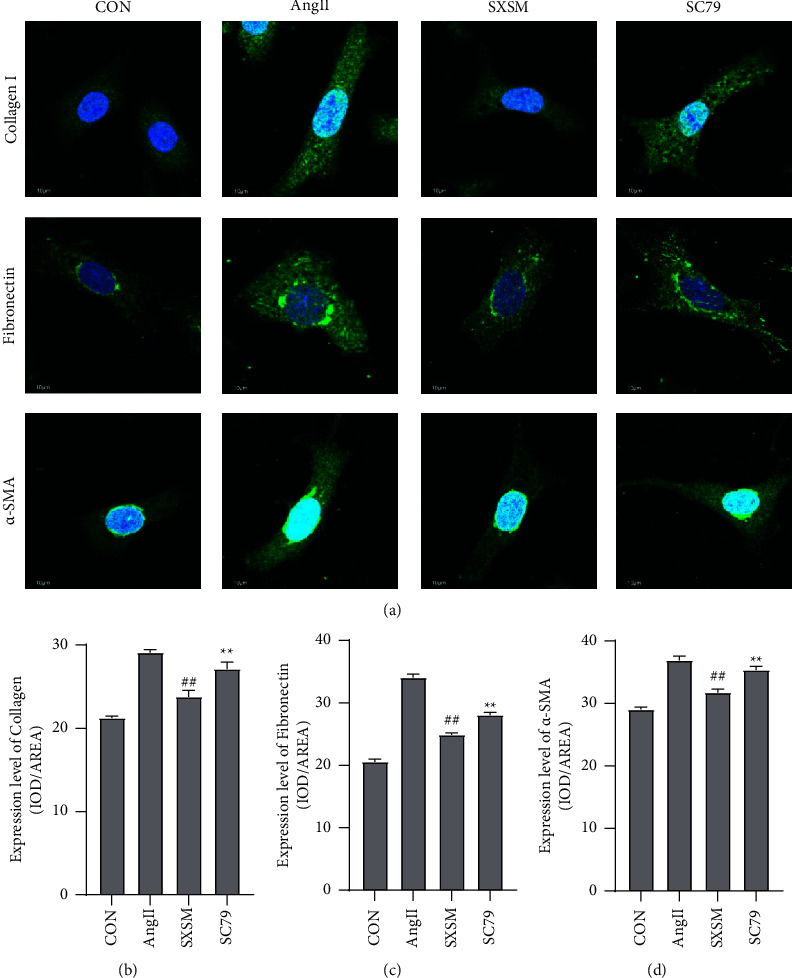
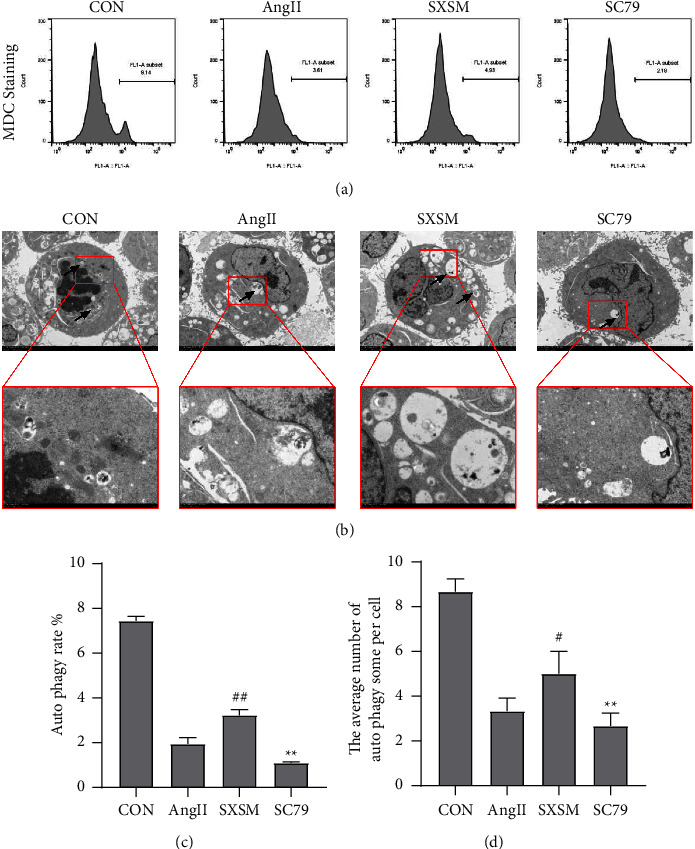
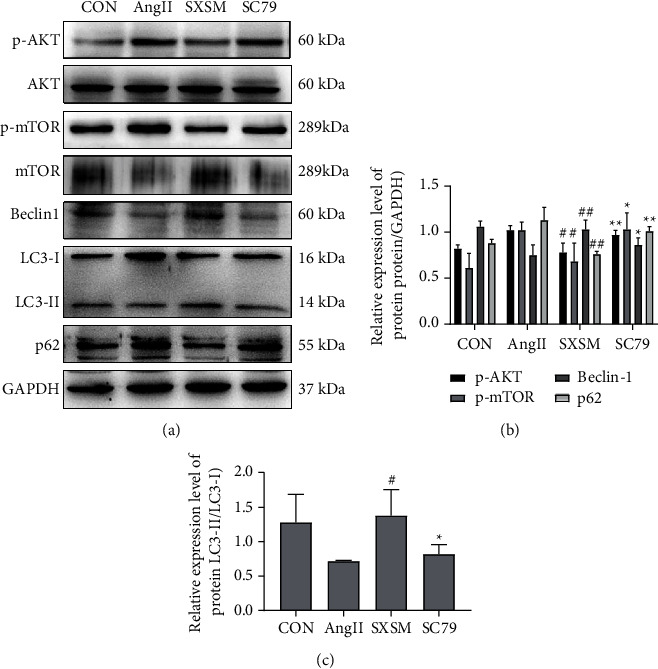
Sick sinus syndrome (SSS) is closely associated with cardiac syncope and sudden death, wherein sinoatrial node (SAN) fibrosis is one of the main pathological changes that occur. Shenxian-Shengmai oral liquid (SXSM) has been clinically proven to significantly improve the heart rate of SSS patients. In this study, we aimed to explore the mechanism of SXSM in reducing the SAN fibrosis by combining in vitro and in vivo experiments. Accordingly, the SSS model was constructed by slowly pumping angiotensin II (AngII) with a micro-osmotic pump. The degree of fibrosis was evaluated by Masson's trichrome staining and immunofluorescence staining of the fibrosis marker protein. In addition, NIH-3T3 mouse fibroblasts were used to simulate SAN fibroblasts to further explore the mechanism, with AngII used as the cellular fibrosis inducer. Monodansylcadaverine (MDC) staining and transmission electron microscopy were employed to assay the autophagy content, whereas immunofluorescence staining and Western blotting were employed to elucidate the related protein expression. Finally, fibroblasts were given the AKT phosphorylation agonist SC79 to reversely verify the effects of SXSM. The results showed that SXSM could significantly increase the heart rate of SSS mice by reducing the deposition of extracellular matrix (ECM) in SAN induced by AngII. According to in vivo experiments, when compared with the model group, SSS mice treated with SXSM developed less fibrosis in the SAN area. In vitro experiments revealed that AngII could restrain autophagy by activating the phosphorylation of the AKT/mTOR pathway, thereby increasing the deposition of ECM. Moreover, SXSM pretreatment prevented this upregulation. After the intervention of SC79, the protective effect of SXSM was weakened. In conclusion, SXSM activated autophagy through the AKT/mTOR pathway, which in turn reduced the deposition of the ECM in SAN induced by AngII, attenuated the fibrosis of SAN, and improved the decreased heart rate in the SSS mice.
Copyright © 2022 Chen Chen et al.
Conflict of interest statement
The authors declare no conflicts of interest.
Figures
References
-
- Neumar R. W., Otto C. W., Link M. S., et al. Part 8: adult advanced cardiovascular life support: 2010 American Heart Association guidelines for cardiopulmonary resuscitation and emergency cardiovascular care. Circulation . 2010;122(18):S729–S767. doi: 10.1161/circulationaha.110.970988. - DOI - PubMed
-
- Poole J. E., Gleva M. J., Mela T., et al. Complication rates associated with pacemaker or implantable cardioverter-defibrillator generator replacements and upgrade procedures: results from the replace registry. Circulation . 2010;122(16):1553–1561. doi: 10.1161/circulationaha.110.976076. - DOI - PubMed
LinkOut - more resources
Full Text Sources
Miscellaneous
