


Artificial Immune Cell, AI-cell, a New Tool to Predict Interferon Production by Peripheral Blood Monocytes in Response to Nucleic Acid Nanoparticles
- PMID: 36216772
- PMCID: PMC9671856
- DOI: 10.1002/smll.202204941
Artificial Immune Cell, AI-cell, a New Tool to Predict Interferon Production by Peripheral Blood Monocytes in Response to Nucleic Acid Nanoparticles
Abstract
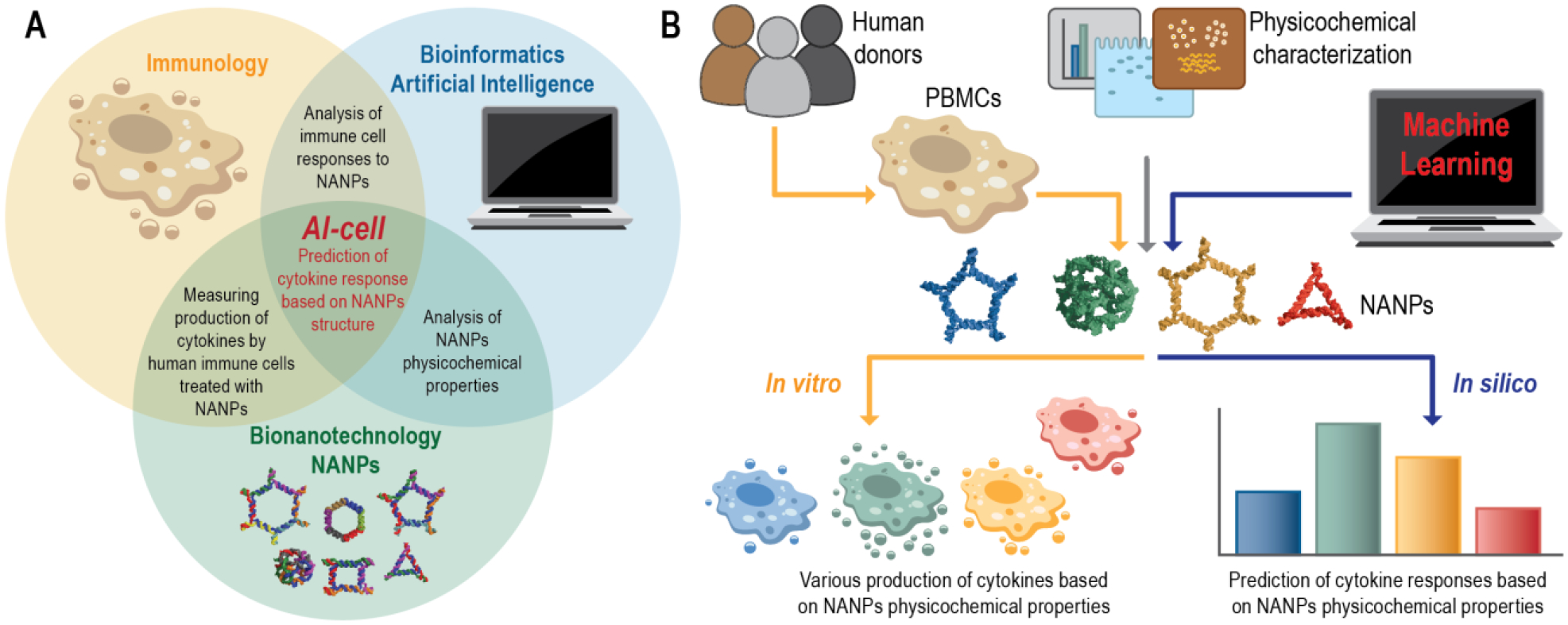
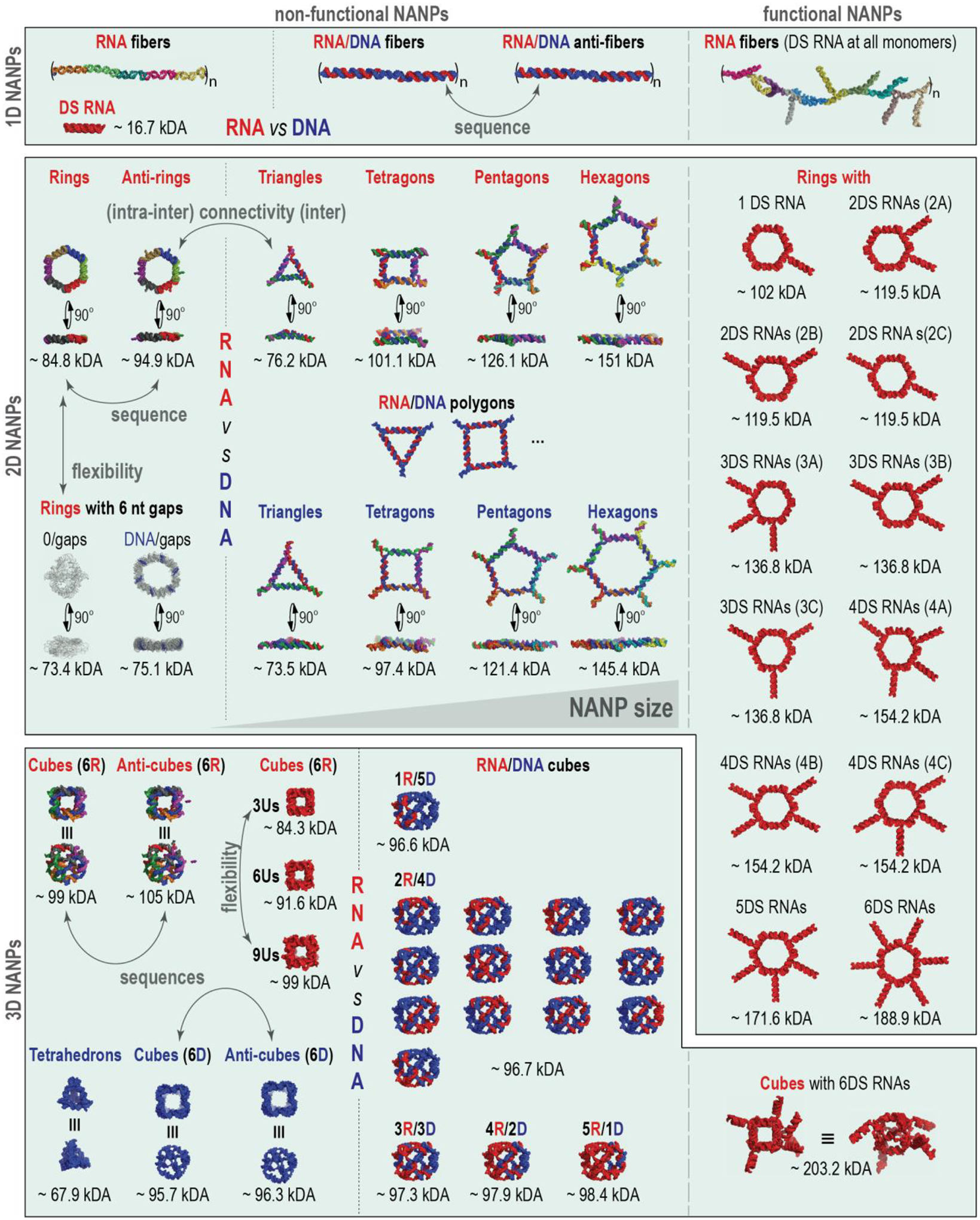
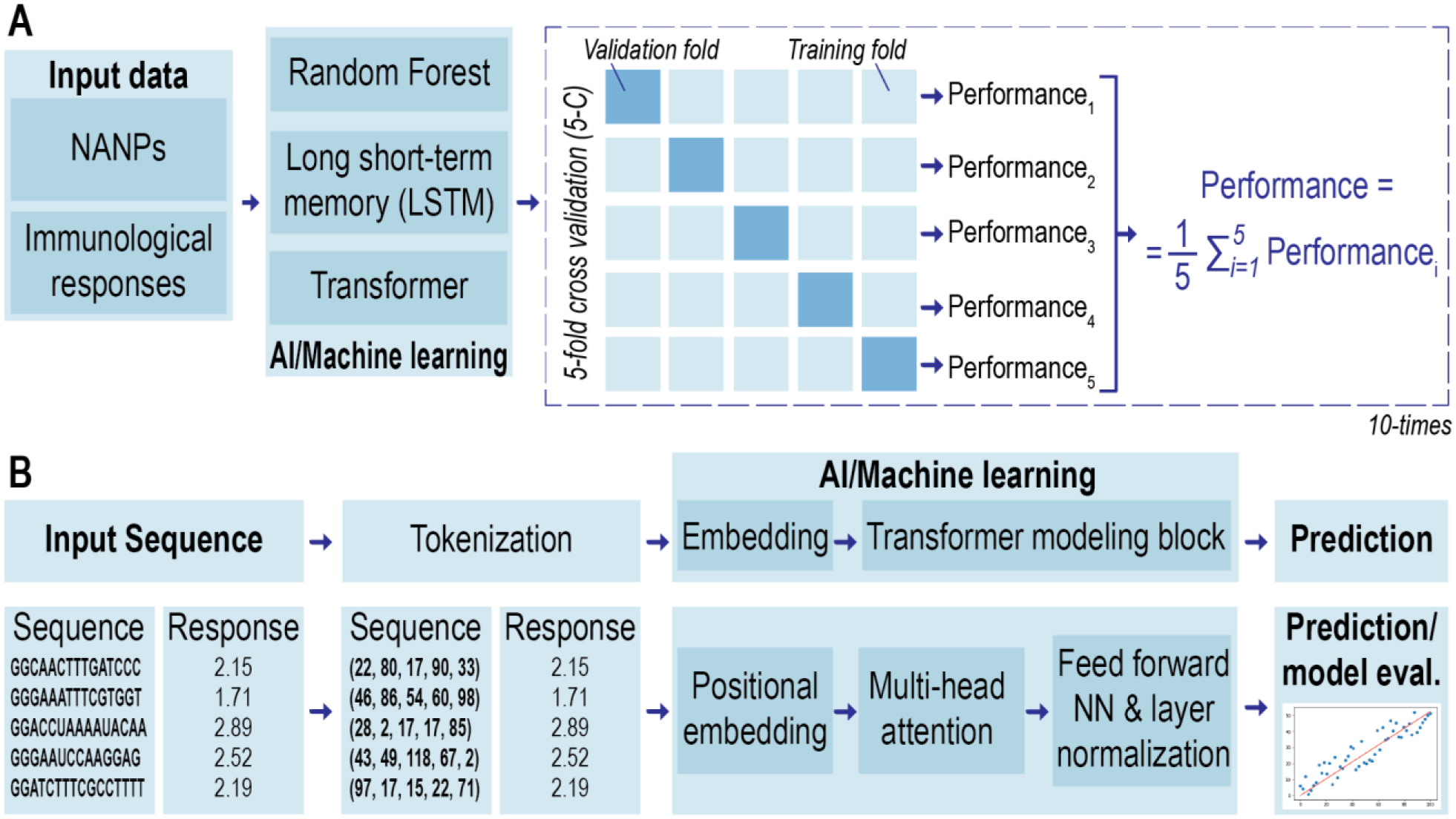
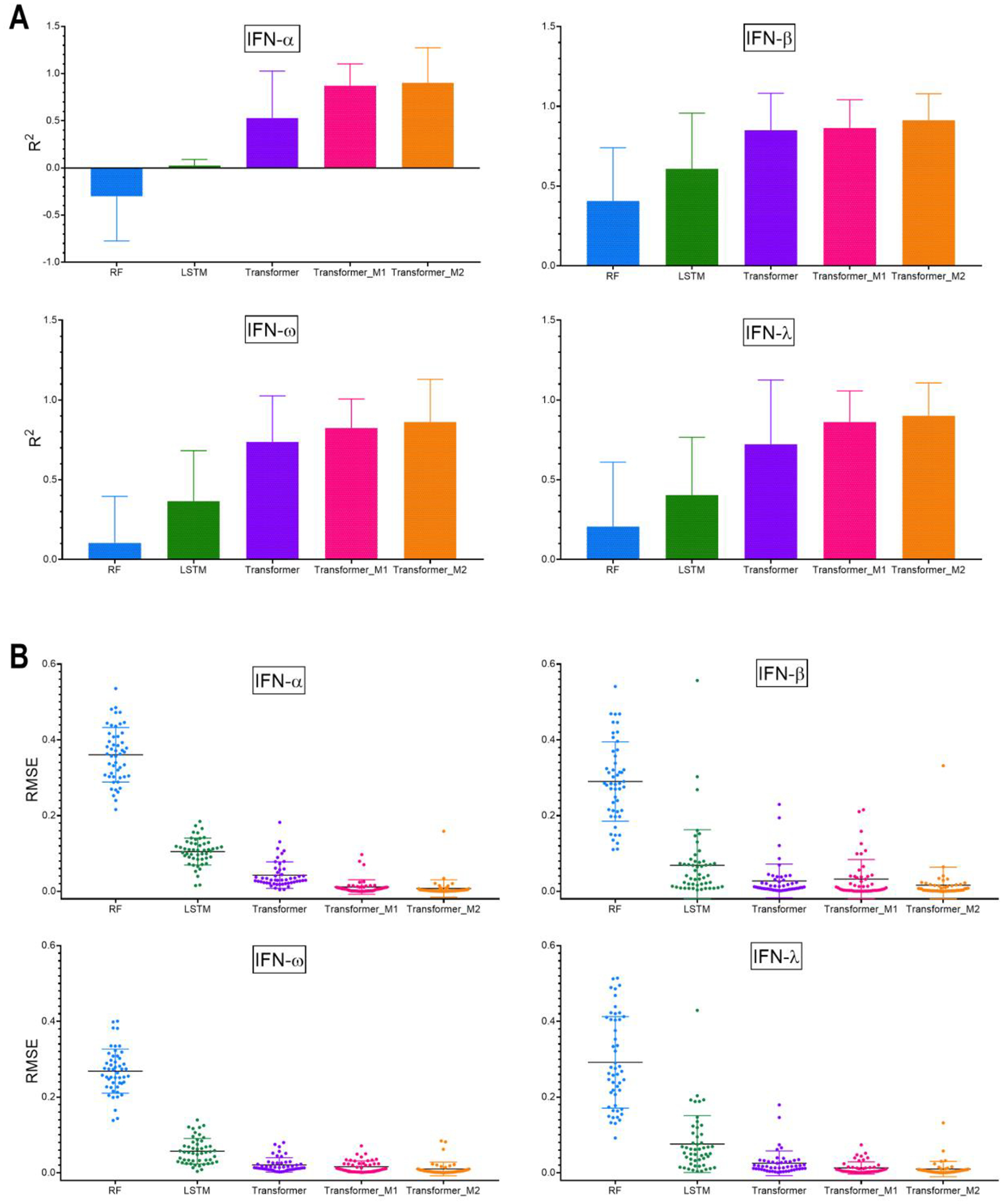
Nucleic acid nanoparticles, or NANPs, rationally designed to communicate with the human immune system, can offer innovative therapeutic strategies to overcome the limitations of traditional nucleic acid therapies. Each set of NANPs is unique in their architectural parameters and physicochemical properties, which together with the type of delivery vehicles determine the kind and the magnitude of their immune response. Currently, there are no predictive tools that would reliably guide the design of NANPs to the desired immunological outcome, a step crucial for the success of personalized therapies. Through a systematic approach investigating physicochemical and immunological profiles of a comprehensive panel of various NANPs, the research team developes and experimentally validates a computational model based on the transformer architecture able to predict the immune activities of NANPs. It is anticipated that the freely accessible computational tool that is called an "artificial immune cell," or AI-cell, will aid in addressing the current critical public health challenges related to safety criteria of nucleic acid therapies in a timely manner and promote the development of novel biomedical tools.
Keywords: RNA nanotechnology; artificial intelligence; immunology; immunorecognition; machine learning; nucleic acid nanoparticles (NANPs).
© 2022 The Authors. Small published by Wiley-VCH GmbH.
Conflict of interest statement
COMPETING INTERESTS
The authors declare no competing interests.
Figures
References
-
- Kulkarni JA; Witzigmann D; Thomson SB; Chen S; Leavitt BR; Cullis PR; van der Meel R, The current landscape of nucleic acid therapeutics. Nat Nanotechnol 2021, 16 (6), 630–643. - PubMed
-
- Chandler M; Johnson B; Khisamutdinov E; Dobrovolskaia MA; Sztuba-Solinska J; Salem AK; Breyne K; Chammas R; Walter NG; Contreras LM; Guo P; Afonin KA, The International Society of RNA Nanotechnology and Nanomedicine (ISRNN): The Present and Future of the Burgeoning Field. ACS Nano 2021. - PMC - PubMed
Publication types
MeSH terms
Substances
Grants and funding
LinkOut - more resources
Full Text Sources
