


Multi-drug resistant bacteria isolates from lymphatic filariasis patients in the Ahanta West District, Ghana
- PMID: 36221074
- PMCID: PMC9552459
- DOI: 10.1186/s12866-022-02624-9
Multi-drug resistant bacteria isolates from lymphatic filariasis patients in the Ahanta West District, Ghana
Erratum in
-
Correction: Multi-drug resistant bacteria isolates from lymphatic filariasis patients in the Ahanta West District, Ghana.BMC Microbiol. 2022 Nov 3;22(1):263. doi: 10.1186/s12866-022-02673-0. BMC Microbiol. 2022. PMID: 36324092 Free PMC article. No abstract available.
Abstract
Background: Antimicrobial resistance is associated with increased morbidity in secondary infections and is a global threat owning to the ubiquitous nature of resistance genes in the environment. Recent estimate put the deaths associated with bacterial antimicrobial resistance in 2019 at 4.95 million worldwide. Lymphatic filariasis (LF), a Neglected Tropical Disease (NTD), is associated with the poor living in the tropical regions of the world. LF patients are prone to developing acute dermatolymphangioadenitis (ADLA), a condition that puts them at risk of developing secondary bacterial infections due to skin peeling. ADLA particularly worsens the prognosis of patients leading to usage of antibiotics as a therapeutic intervention. This may result in inappropriate usage of antibiotics due to self-medication and non-compliance; exacerbating antimicrobial resistance in LF patients. In this perspective, we assessed the possibilities of antimicrobial resistance in LF patients. We focused on antibiotic usage, antibiotic resistance in Staphylococcus aureus, Escherichia coli and Pseudomonas aeruginosa isolates and looked at genes (mecA and Extended-spectrum beta-lactamase [blaCTX-M, blaSHV and blaTEM]) coding for resistance in multi-drug resistant (MDR) bacterial isolates.
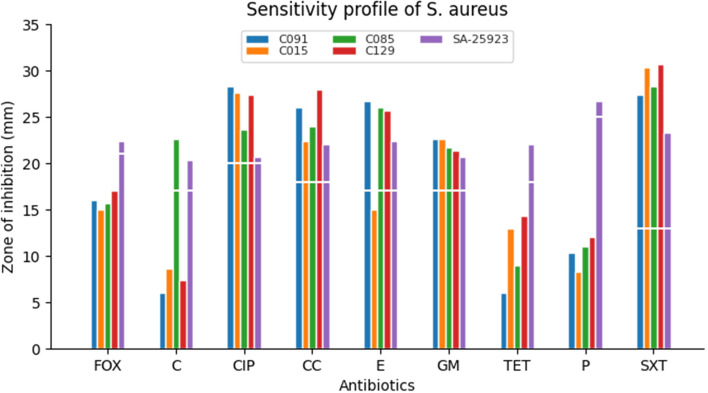
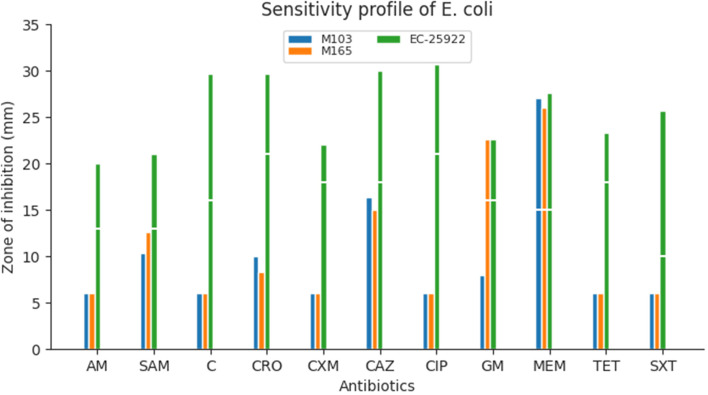
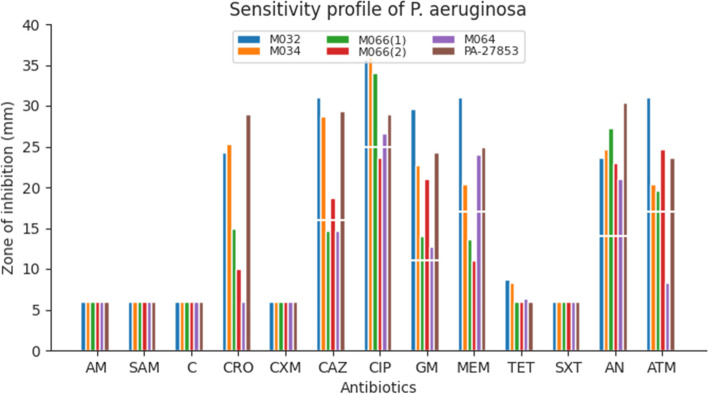
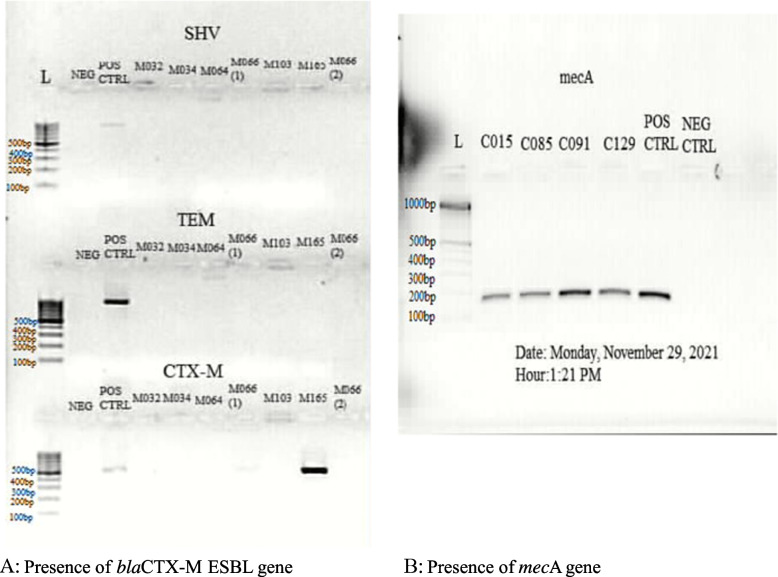
Results: Of the sixty (60) participants, fifty-four (n = 54, 90%) were within 31-60 years of age, twenty (n = 20, 33.33%) were unemployed and thirty-eight (n = 38, 50.67%) had wounds aged (in months) seven (7) months and above. Amoxicillin (54%) and chloramphenicol (22%) were the most frequently used antibiotics for self-medication. Staphylococcus aureus isolates (n = 26) were mostly resistant to penicillin (n = 23, 88.46%) and least resistant to erythromycin (n = 2, 7.69%). Escherichia coli isolates (n = 5) were resistant to tetracycline (n = 5, 100%) and ampicillin (n = 5, 100%) but were sensitive to meropenem (n = 5, 100%). Pseudomonas aeruginosa isolates (n = 8) were most resistant to meropenem (n = 3, 37.50%) and to a lesser ciprofloxacin (n = 2, 25%), gentamicin (n = 2, 25%) and ceftazidime (n = 2, 25%). Multi-drug resistant methicillin resistant Staphylococcus aureus (MRSA), cephalosporin resistant Escherichia coli. and carbapenem resistant Pseudomonas aeruginosa were four (n = 4, 15.38%), two (n = 2, 40%) and two (n = 2, 25%) respectively. ESBL (blaCTX-M) and mecA genes were implicated in the resistance mechanism of Escherichia coli and MRSA, respectively.
Conclusion: The findings show presence of MDR isolates from LF patients presenting with chronic wounds; thus, the need to prioritize resistance of MDR bacteria into treatment strategies optimizing morbidity management protocols. This could guide antibiotic selection for treating LF patients presenting with ADLA.
Keywords: Acute dermatolymphangioadenitis; Antimicrobial resistance; Extended-spectrum beta-lactamase; Lymphatic filariasis; Methicillin-resistant Staphylococcus aureus; Multi-drug resistance; Secondary bacterial infection.
© 2022. The Author(s).
Conflict of interest statement
The authors declare that they have no competing interests.
Figures
References
-
- World Health Organization. Lymphatic filariasis [Internet]. 2021. Available from: https://www.who.int/news-room/fact-sheets/detail/lymphatic-filariasis. cited 2022 Feb 11
-
- World Health Organization. Global Programme to Eliminate Lymphatic Filariasis Practical Entomology. Vol. 91, Weekly epidemiological record. 2019. p. 1–107. Available from: https://www.who.int/publications/i/item/who-wer9441-457-472. cited 2022 Jul 5
-
- Negussie H, Molla M, Ngari M, Berkley JA, Kivaya E, Njuguna P, et al. Lymphoedema management to prevent acute dermatolymphangioadenitis in podoconiosis in northern Ethiopia (GoLBeT): a pragmatic randomised controlled trial. Lancet Glob Heal. 2018;6(7):1–9. doi: 10.1016/S2214-109X(18)30124-4. - DOI - PMC - PubMed
MeSH terms
Substances
LinkOut - more resources
Full Text Sources
Medical
