


Neuregulin-4 attenuates diabetic cardiomyopathy by regulating autophagy via the AMPK/mTOR signalling pathway
- PMID: 36221104
- PMCID: PMC9554973
- DOI: 10.1186/s12933-022-01643-0
Neuregulin-4 attenuates diabetic cardiomyopathy by regulating autophagy via the AMPK/mTOR signalling pathway
Abstract
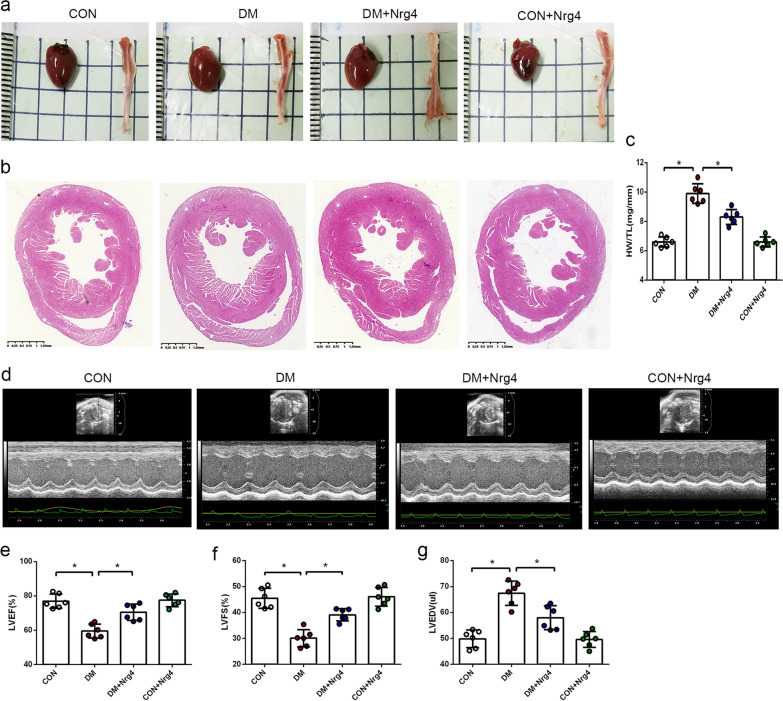
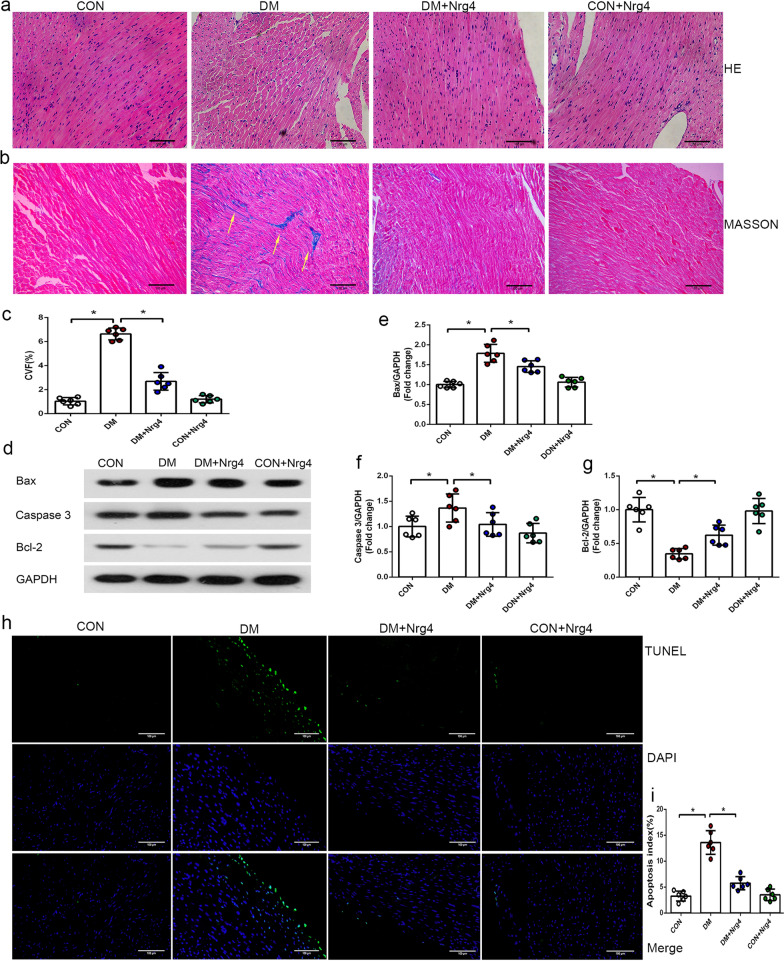
Background: Diabetic cardiomyopathy is characterized by left ventricle dysfunction, cardiomyocyte apoptosis, and interstitial fibrosis and is a serious complication of diabetes mellitus (DM). Autophagy is a mechanism that is essential for maintaining normal heart morphology and function, and its dysregulation can produce pathological effects on diabetic hearts. Neuregulin-4 (Nrg4) is an adipokine that exerts protective effects against metabolic disorders and insulin resistance. The aim of this study was to explore whether Nrg4 could ameliorate DM-induced myocardial injury by regulating autophagy.
Methods: Four weeks after the establishment of a model of type 1 diabetes in mice, the mice received Nrg4 treatment (with or without an autophagy inhibitor) for another 4 weeks. The cardiac functions, histological structures and cardiomyocyte apoptosis were investigated. Autophagy-related protein levels along with related signalling pathways that regulate autophagy were evaluated. In addition, the effects of Nrg4 on autophagy were also determined in cultured primary cardiomyocytes.
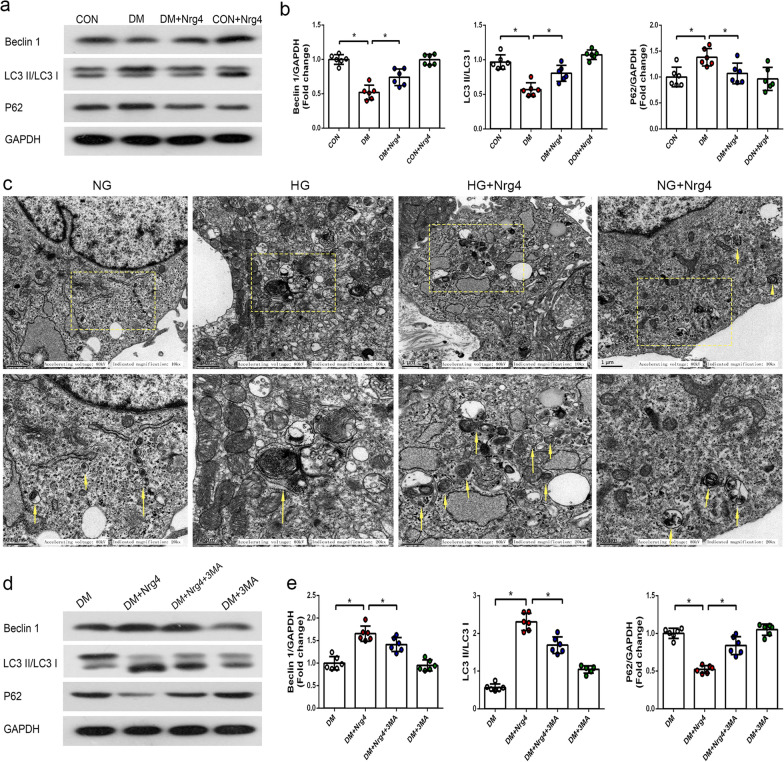
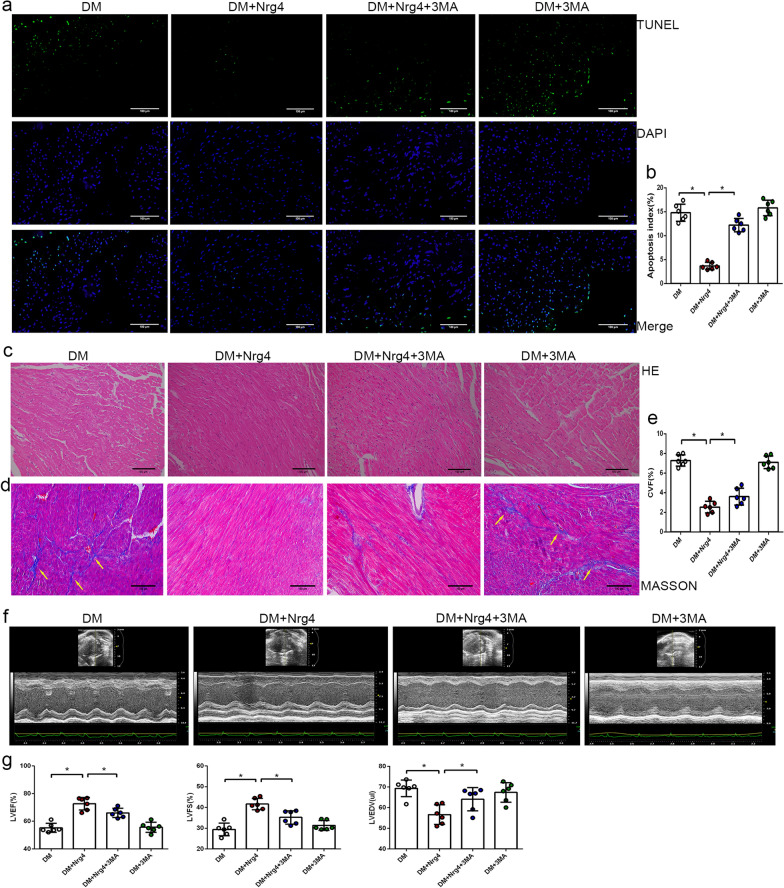
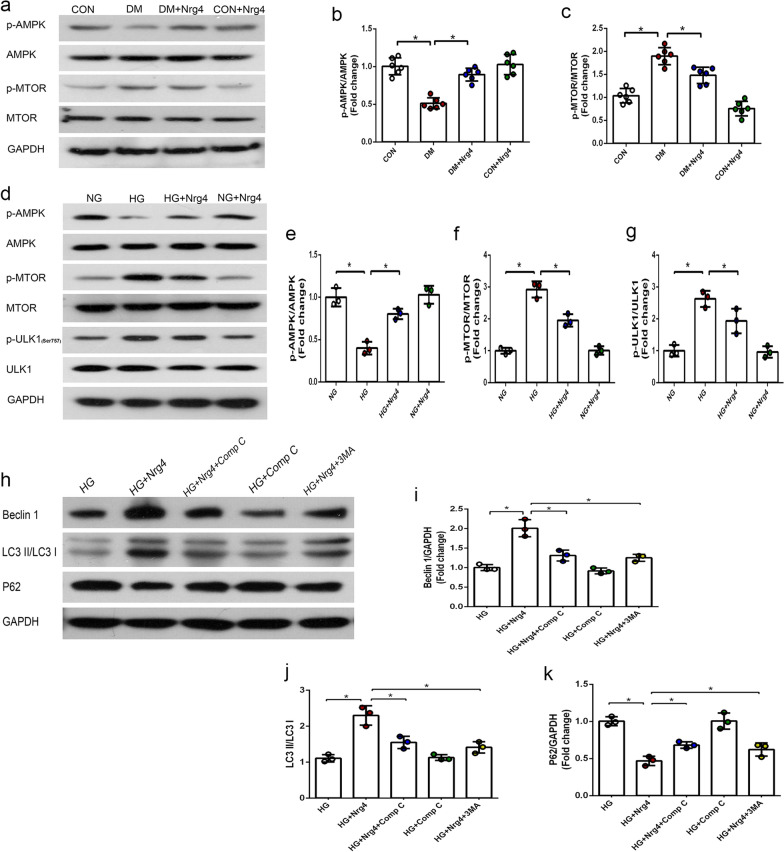
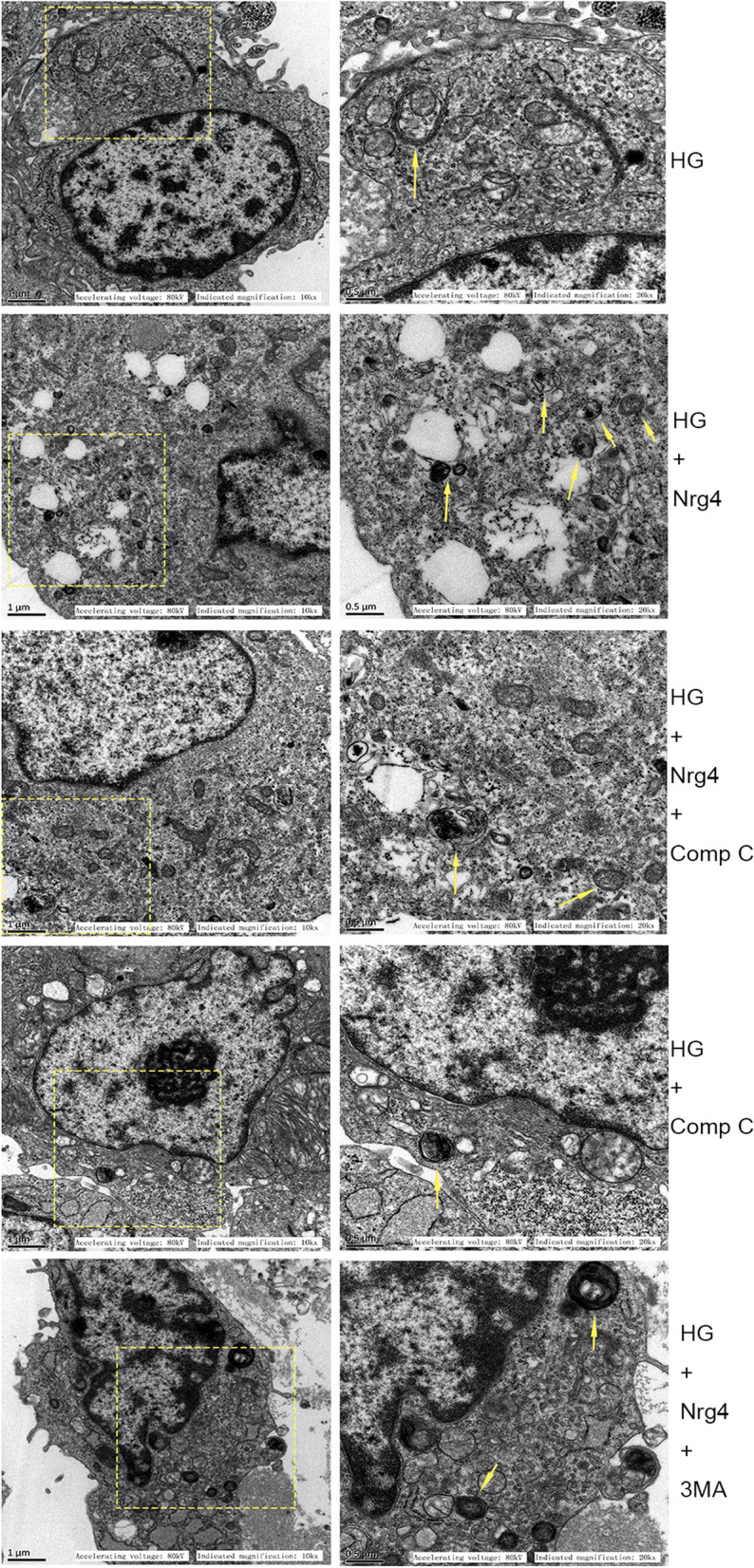
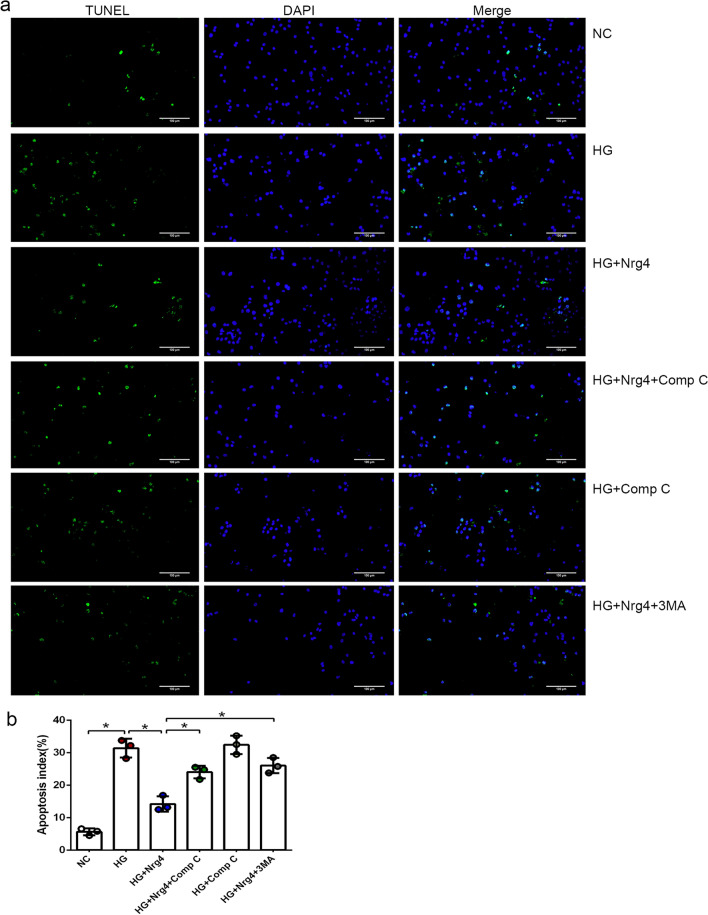
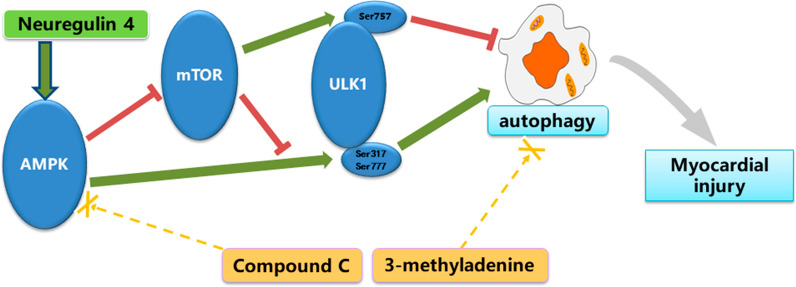
Results: Nrg4 alleviated myocardial injury both in vivo and in vitro. The autophagy level was decreased in type 1 diabetic mice, and Nrg4 intervention reactivated autophagy. Furthermore, Nrg4 intervention was found to activate autophagy via the AMPK/mTOR signalling pathway. Moreover, when autophagy was suppressed or the AMPK/mTOR pathway was inhibited, the beneficial effects of Nrg4 were diminished.
Conclusion: Nrg4 intervention attenuated diabetic cardiomyopathy by promoting autophagy in type 1 diabetic mice. Additionally, Nrg4 induced autophagy via the AMPK/mTOR signalling pathway.
Keywords: Autophagy; Diabetic cardiomyopathy; Neuregulin-4; Signalling pathway.
© 2022. The Author(s).
Conflict of interest statement
The authors declare that they have no competing interests.
Figures
References
Publication types
MeSH terms
Substances
LinkOut - more resources
Full Text Sources
Other Literature Sources
Medical
Miscellaneous
