


Genome-edited allogeneic donor "universal" chimeric antigen receptor T cells
- PMID: 36223560
- PMCID: PMC10651779
- DOI: 10.1182/blood.2022016204
Genome-edited allogeneic donor "universal" chimeric antigen receptor T cells
Abstract
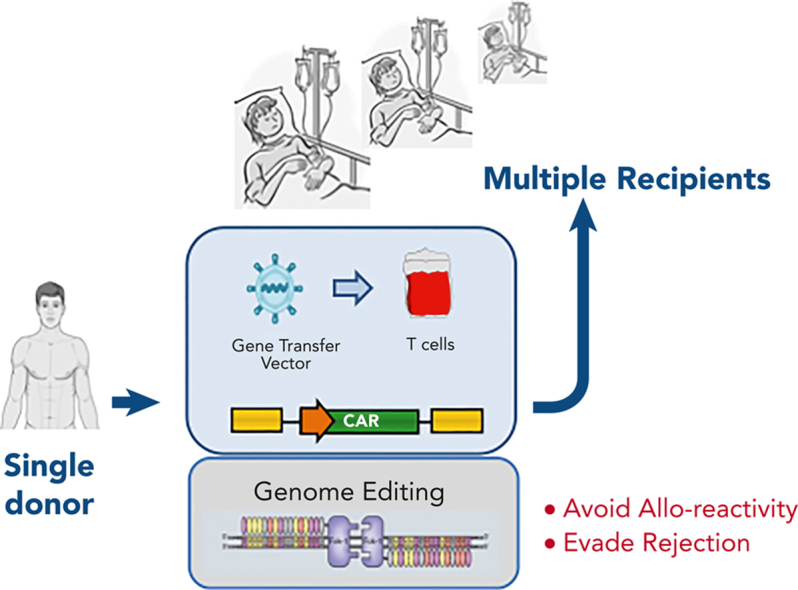
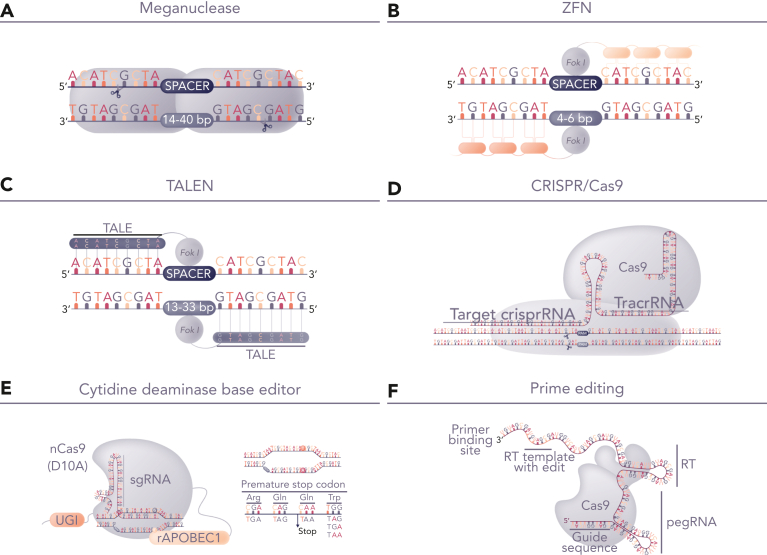
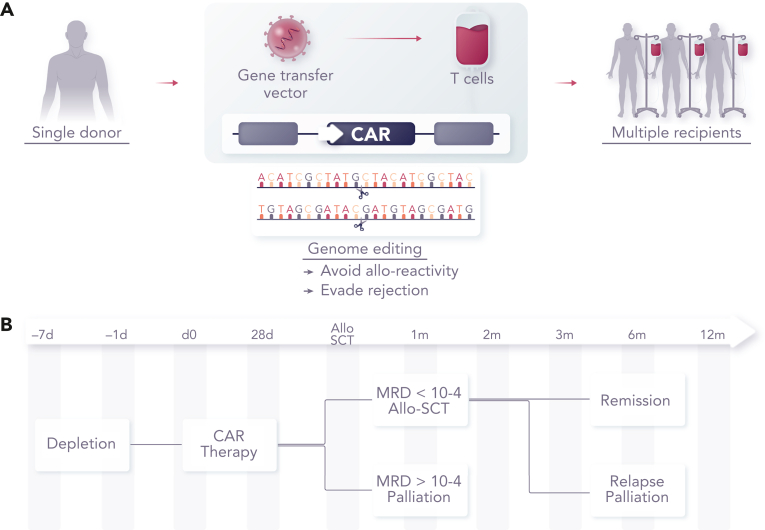
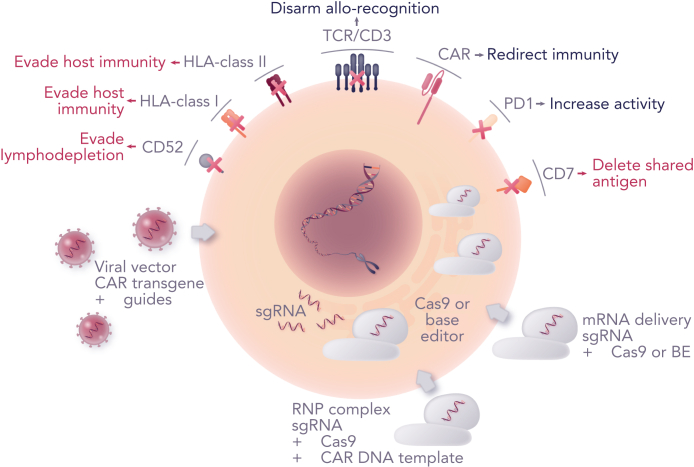
αβ T cell receptor (TCRαβ) T cells modified to express chimeric antigen receptors (CAR), are now available as authorized therapies for certain B-cell malignancies. However the process of autologous harvest and generation of patient-specific products is costly, with complex logistics and infrastructure requirements. Premanufactured banks of allogeneic donor-derived CAR T cells could help widen applicability if the challenges of HLA-mismatched T-cell therapy can be addressed. Genome editing is being applied to overcome allogeneic barriers, most notably, by disrupting TCRαβ to prevent graft-versus-host disease, and multiple competing editing technologies, including CRISPR/Cas9 and base editing, have reached clinical phase testing. Improvements in accuracy and efficiency have unlocked applications for a wider range of blood malignancies, with multiplexed editing incorporated to target HLA molecules, shared antigens and checkpoint pathways. Clinical trials will help establish safety profiles and determine the durability of responses as well as the role of consolidation with allogeneic transplantation.
© 2023 by The American Society of Hematology. Licensed under Creative Commons Attribution-NonCommercial-NoDerivatives 4.0 International (CC BY-NC-ND 4.0), permitting only noncommercial, nonderivative use with attribution. All other rights reserved.
Conflict of interest statement
Conflict-of-interest disclosure: W.Q. has received research funding from Miltenyi, Cellectis & Servier related to T-cell editing and has filed patents related to the application of genome-edited T cells; holds stock in Autolus Therapeutics; and is an advisor for Tessa Therapeutics, Wugen, Novartis, Kite, and Virocell.
Figures
Comment in
-
Introduction to a review series on banked allogeneic immune effector cells.Blood. 2023 Feb 23;141(8):811-812. doi: 10.1182/blood.2023019604. Blood. 2023. PMID: 36608323 No abstract available.
References
-
- Schuster SJ, Bishop MR, Tam CS, et al. Tisagenlecleucel in adult relapsed or refractory diffuse large B-cell lymphoma. N Engl J Med. 2019;380(1):45–56. - PubMed
-
- Bach PB, Giralt SA, Saltz LB. FDA approval of tisagenlecleucel: promise and complexities of a $475000 cancer drug. JAMA. 2017;318(19):1861–1862. - PubMed
Publication types
MeSH terms
Substances
Grants and funding
LinkOut - more resources
Full Text Sources
Other Literature Sources
Medical
Research Materials
