


Hierarchical topological model of the factors influencing adolescents' non-suicidal self-injury behavior based on the DEMATEL-TAISM method
- PMID: 36241902
- PMCID: PMC9568609
- DOI: 10.1038/s41598-022-21377-z
Hierarchical topological model of the factors influencing adolescents' non-suicidal self-injury behavior based on the DEMATEL-TAISM method
Abstract
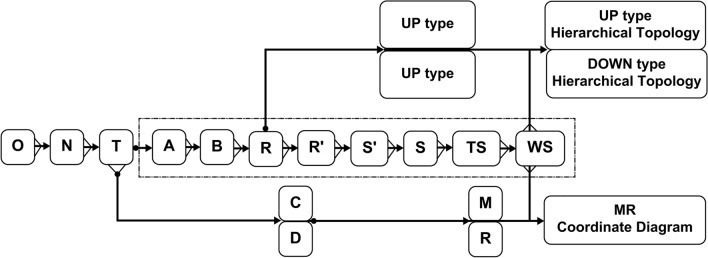
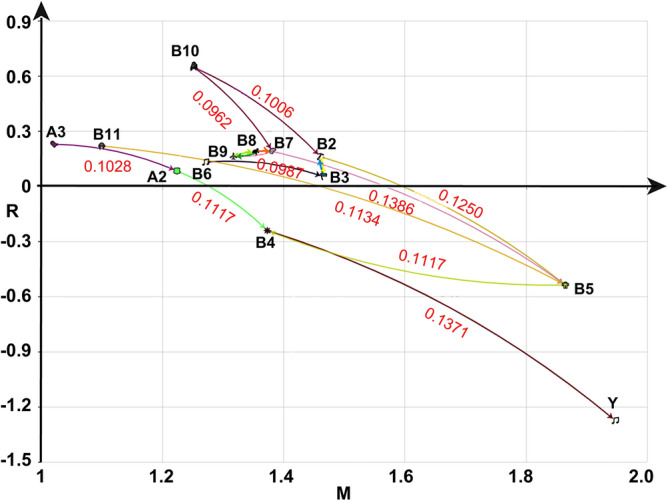
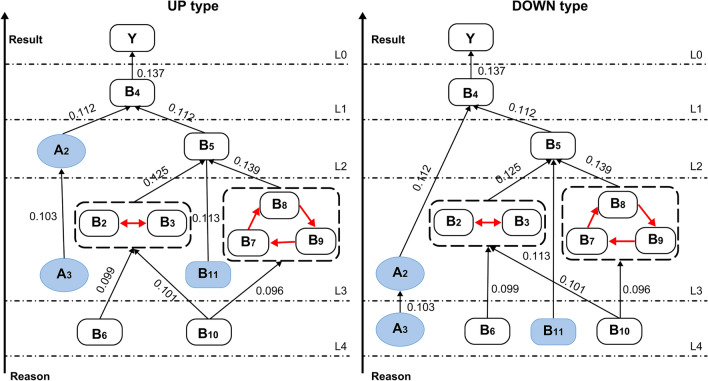
This study analyzed the factors influencing adolescents' non-suicidal self-injury (NSSI) behavior and their interrelationships, and established a total influencing factor model. Through a literature analysis and semi-structured interviews with 87 adolescents and 27 experts in Guangxi Province, China, 13 influencing factors were identified from six aspects: physiological factors, cognitive factors, emotional factors, social support factors, social environment, and NSSI behavior. A system of factors influencing adolescents' NSSI behavior and a model of the factors influencing the comprehensive antagonism multilevel explanatory structure were obtained using a combination of Decision-Making Trial and Evaluation Laboratory technique and Total Adversarial Interpretive Structural Model. In descending order, NSSI, emotional state, self-efficacy, and self-cognition influenced adolescents' NSSI behavior. Social environment, exercise, and recreation had a greater impact on other factors, while NSSI, emotional regulation ability, and emotional state were greatly affected by other factors. Emotion regulation ability, self-cognition, self-efficacy, family support, school support, social support, and sleep were found to be the core factors influencing NSSI behavior of adolescents. These factors could be used to directly intervene in adolescent NSSI behavior. Timely treatment of adolescents' negative emotional states is directly conducive to preventing NSSI behavior and alleviating its severity.
© 2022. The Author(s).
Conflict of interest statement
The authors declare no competing interests.
Figures
References
-
- Xu HQ, Wan YH, Xu SJ. Research progress on the theoretical model of association between non-suicidal self-injury behavior and suicidal behavior in adolescents. Chin. Sch. Health. 2019;2:314–317. doi: 10.16835/j.cnki.1000-9817.2019.02.045. - DOI
Publication types
MeSH terms
LinkOut - more resources
Full Text Sources
Medical
