


Metabolic guidance and stress in tumors modulate antigen-presenting cells
- PMID: 36244976
- PMCID: PMC9573874
- DOI: 10.1038/s41389-022-00438-y
Metabolic guidance and stress in tumors modulate antigen-presenting cells
Abstract
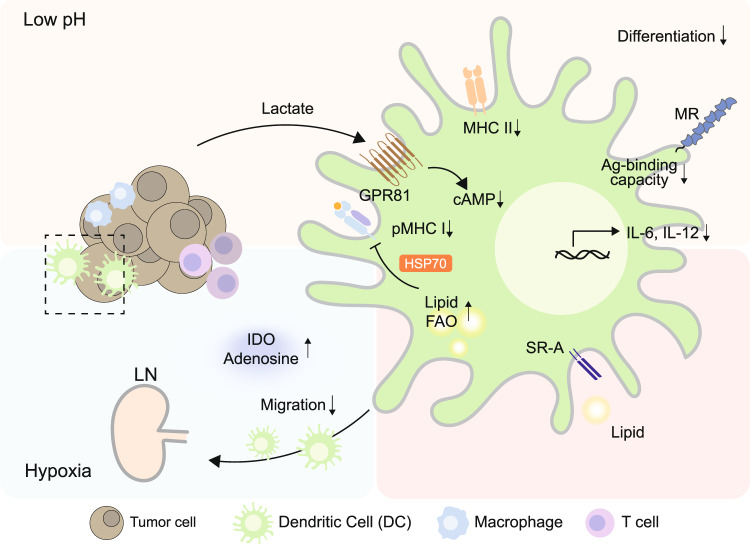
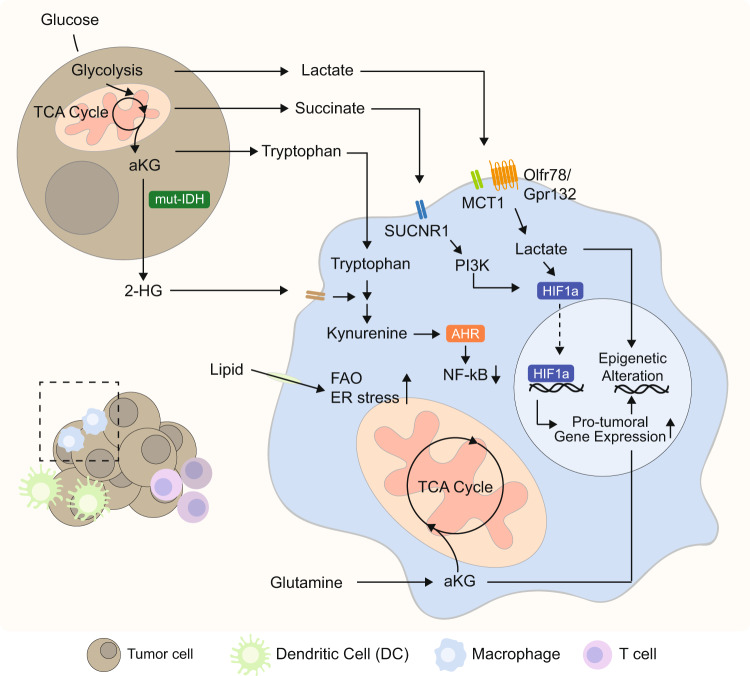
Successful antitumor immunity largely relies on efficient T cell priming by antigen-presenting cells (APCs); however, the capacity of APCs is found to be defective in many cancers. Metabolically reprogrammed cancer cells support the energetic and biosynthetic demands of their high proliferation rates by exploiting nutrients available in the tumor microenvironment (TME), which in turn limits proper metabolic reprogramming of APCs during recruitment, differentiation, activation and antigen presentation. Furthermore, some metabolites generated by the TME are unfavorable to antitumor immunity. This review summarizes recent studies on the metabolic features of APCs and their functionality in the TME. Particularly, we will describe how APCs respond to altered TME and how metabolic byproducts from cancer and immunomodulatory cells affect APCs. Finally, we introduce the current status of APC-oriented research and clinical trials targeting metabolic features to boost efficient immunotherapy.
© 2022. The Author(s).
Conflict of interest statement
P-CH is a scientific advisor for Elixiron Immunotherapeutics and a co-founder of Pilatus Biosciences.
Figures
References
-
- Goc J, Germain C, Vo-Bourgais TK, Lupo A, Klein C, Knockaert S, et al. Dendritic cells in tumor-associated tertiary lymphoid structures signal a Th1 cytotoxic immune contexture and license the positive prognostic value of infiltrating CD8+ T cells. Cancer Res. 2014;74:705–15. doi: 10.1158/0008-5472.CAN-13-1342. - DOI - PubMed
Publication types
LinkOut - more resources
Full Text Sources
Miscellaneous
