


Antiplatelets and Vascular Dementia: A Systematic Review
- PMID: 36245899
- PMCID: PMC9553722
- DOI: 10.1155/2022/9780067
Antiplatelets and Vascular Dementia: A Systematic Review
Abstract
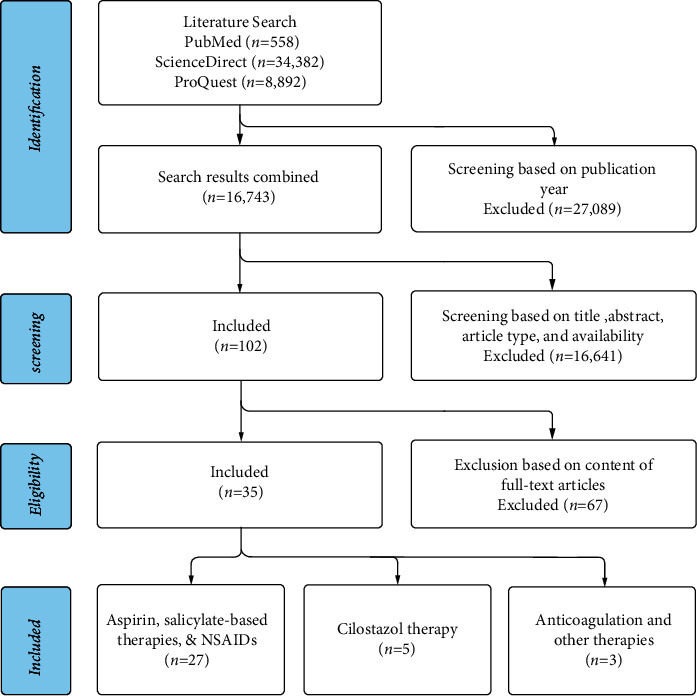
Vascular dementia (VD) is a neurocognitive disorder whose precise definition is still up for debate. VD generally refers to dementia that is primarily caused by cerebrovascular disease or impaired cerebral blood flow. It is a subset of vascular cognitive impairment, a class of diseases that relate any cerebrovascular injury as a causal or correlating factor for cognitive decline, most commonly seen in the elderly. Patients who present with both cognitive impairment and clinical or radiologic indications of cerebrovascular pathology should have vascular risk factors, particularly hypertension, examined and treated. While these strategies may be more effective at avoiding dementia than at ameliorating it, there is a compelling case for intensive secondary stroke prevention in these patients. Repeated stroke is related to an increased chance of cognitive decline, and poststroke dementia is connected with an increased risk of death. In general, most physicians follow recommendations for secondary stroke prevention in patients with VD, which can be accomplished by the use of antithrombotic medicines such as antiplatelets (aspirin, clopidogrel, ticlopidine, cilostazol, etc.). In individuals with a high risk of atherosclerosis and those with documented symptomatic cerebrovascular illness, antiplatelets treatment lowers the risk of stroke. While this therapy strategy of prevention and rigorous risk management has a compelling justification, there is only limited and indirect data to support it. The following systematic review examines the role of antiplatelets in the management of vascular dementia in published clinical trials and studies and comments on the current evidence available to support their use and highlights the need for further study.
Copyright © 2022 Peter Alexander et al.
Conflict of interest statement
The authors declare that they have no conflicts of interest.
Figures
References
Publication types
LinkOut - more resources
Full Text Sources
