


CFAP300 mutation causing primary ciliary dyskinesia in Finland
- PMID: 36246608
- PMCID: PMC9561811
- DOI: 10.3389/fgene.2022.985227
CFAP300 mutation causing primary ciliary dyskinesia in Finland
Abstract
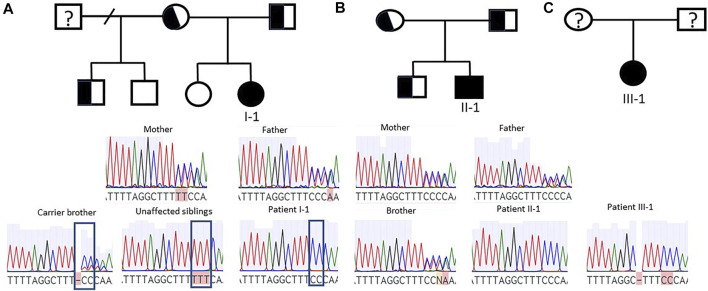
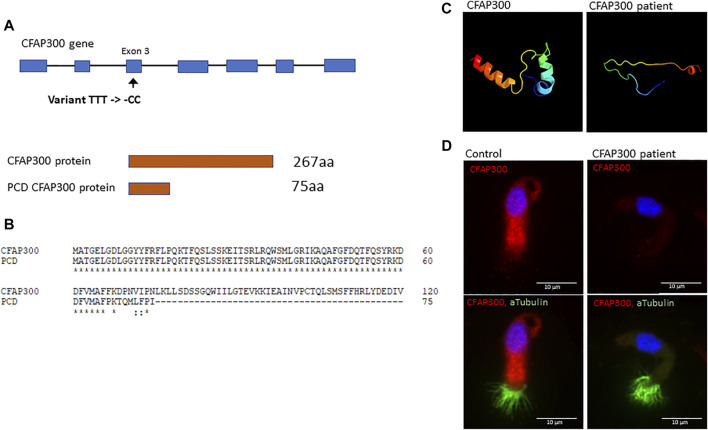
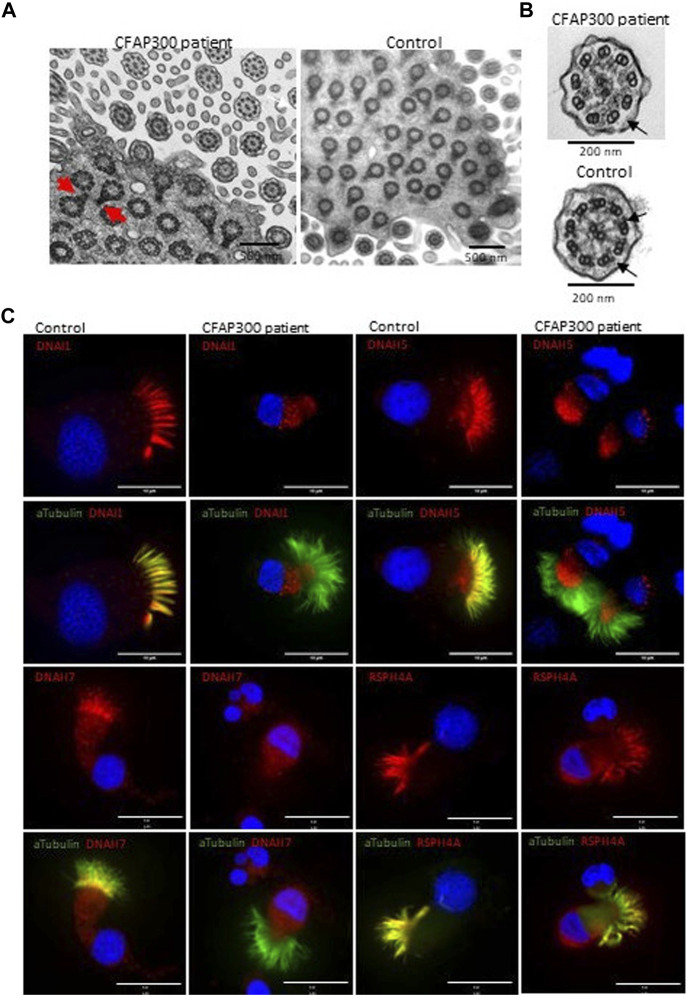
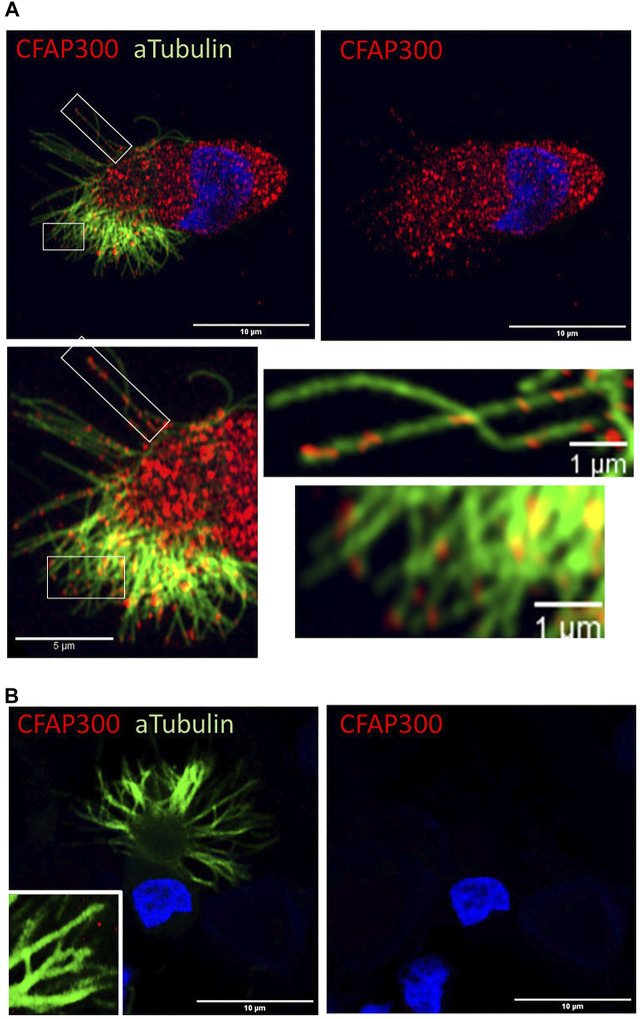
Primary ciliary dyskinesia (PCD) is a rare genetic condition characterized by chronic respiratory tract infections and in some cases laterality defects and infertility. The symptoms of PCD are caused by malfunction of motile cilia, hair-like organelles protruding out of the cell that are responsible for removal of mucus from the airways and organizing internal organ positioning during embryonic development. PCD is caused by mutations in genes coding for structural or assembly proteins in motile cilia. Thus far mutations in over 50 genes have been identified and these variants explain around 70% of all known cases. Population specific genetics underlying PCD has been reported, thus highlighting the importance of characterizing gene variants in different populations for development of gene-based diagnostics. In this study, we identified a recurrent loss-of-function mutation c.198_200delinsCC in CFAP300 causing lack of the protein product. PCD patients homozygous for the identified CFAP300 mutation have immotile airway epithelial cilia associated with missing dynein arms in their ciliary axonemes. Furthermore, using super resolution microscopy we demonstrate that CFAP300 is transported along cilia in normal human airway epithelial cells suggesting a role for CFAP300 in dynein complex transport in addition to preassembly in the cytoplasm. Our results highlight the importance of CFAP300 in dynein arm assembly and improve diagnostics of PCD in Finland.
Keywords: CFAP300; diagnostics; dynein arm preassembly; motile cilia; primary ciliary dyskinesia.
Copyright © 2022 Schultz, Elenius, Fassad, Freke, Rogers, Shoemark, Koistinen, Mohamed, Lim, Mitchison and Sironen.
Conflict of interest statement
The authors declare that the research was conducted in the absence of any commercial or financial relationships that could be construed as a potential conflict of interest.
Figures
References
-
- Aprea I., Raidt J., Höben I. M., Loges N. T., Nöthe-Menchen T., Pennekamp P., (2021). Defects in the cytoplasmic assembly of axonemal dynein arms cause morphological abnormalities and dysmotility in sperm cells leading to male infertility. PLoS Genet. 17, e1009306. 10.1371/journal.pgen.1009306 - DOI - PMC - PubMed
-
- Austin-Tse C., Halbritter J., Zariwala M. A., Gilberti R. M., Gee H. Y., Hellman N., (2013). Zebrafish ciliopathy screen plus human mutational analysis identifies C21orf59 and CCDC65 defects as causing primary ciliary dyskinesia. Am. J. Hum. Genet. 93, 672–686. 10.1016/j.ajhg.2013.08.015 - DOI - PMC - PubMed
Grants and funding
LinkOut - more resources
Full Text Sources
