


The Silent Pandemic: the Impact of COVID-19 on the Mental Health of Adolescents Living with HIV
- PMID: 36277680
- PMCID: PMC9579544
- DOI: 10.1007/s40475-022-00270-9
The Silent Pandemic: the Impact of COVID-19 on the Mental Health of Adolescents Living with HIV
Abstract
Purpose of review: The pandemic caused by the coronavirus disease (COVID-19) has resulted in millions of confirmed cases and likely more than six million deaths globally Worldometer (2022). We sought to understand secondary mental effects in adolescents living with HIV (ALHIV) on the African continent caused by lockdowns, school closures, and other restriction measures for infection control. We reviewed the broader literature and conducted 86 retrospective chart reviews of mental health disorders of ALHIV and interventions utilized at a pediatric clinic in Eswatini.
Recent findings: ALHIVs are disproportionately affected by mental health disorders. The COVID-19 pandemic has exacerbated adverse mental health outcomes of adolescents on the African continent, especially for ALHIV. There have been many calls for researchers, clinicians, and governments to prioritize mental health in adolescents going forward.
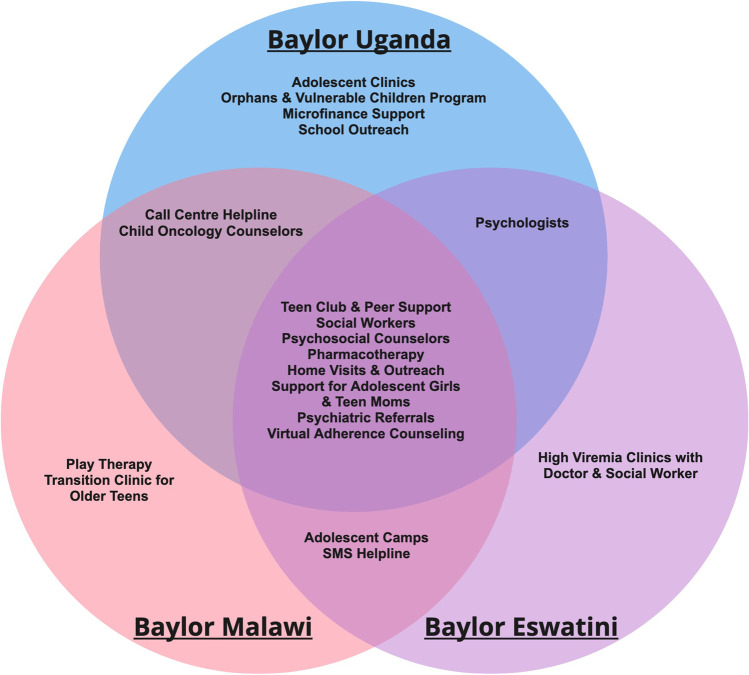
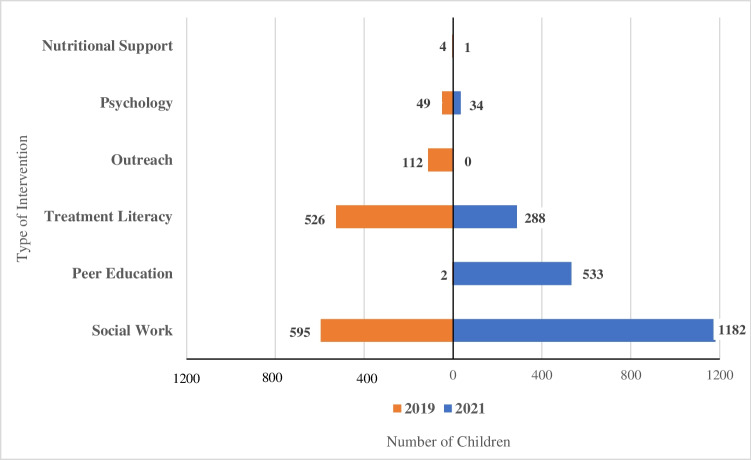
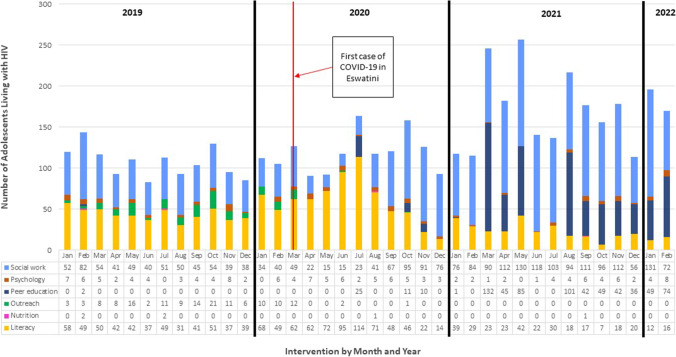
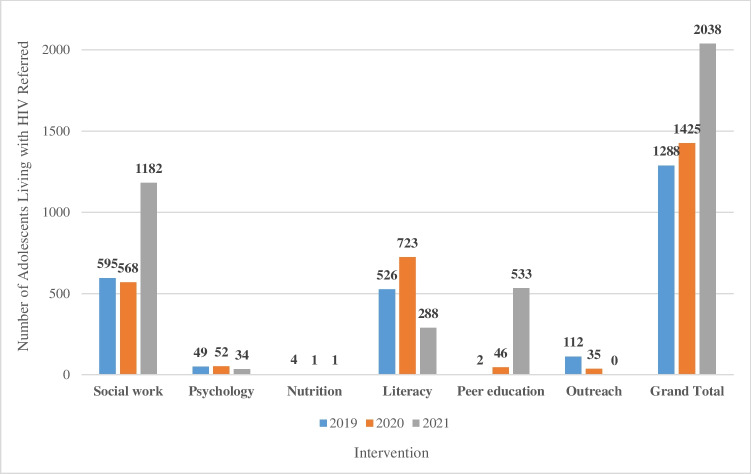
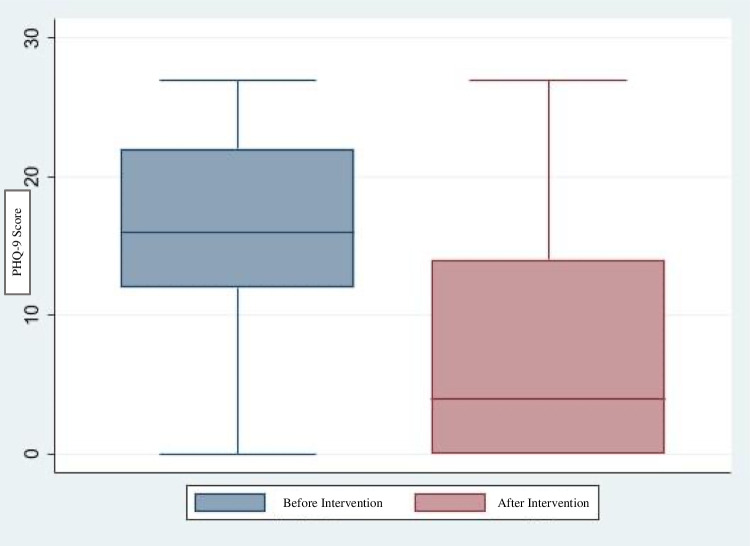
Summary: In pediatric clinics in Eswatini, Malawi, and Uganda, there were psychosocial measures in place prior to the COVID-19 pandemic for ALHIV. After looking closely at a pediatric clinic in Eswatini, we found that many interventions were paused and new psychosocial interventions compatible with social distancing were instead utilized by clinicians. Even so, after multidisciplinary management comprising of interventions such as psychotherapy, pharmacotherapy, referral to psychologists/psychiatrists, and enrollment in peer support groups, the PHQ-9 depressions scores of ALHIV during the COVID-19 significantly improved. We found that there is a need for age-specific standardized tools to measure depression in ALHIV. Furthermore, more research is needed on the effectiveness and scope of psychosocial interventions for ALHIV post-COVID-19 throughout Eswatini and the African continent.
Keywords: Adolescents; Adolescents living with HIV (ALHIV); Africa; COVID-19; Depression; Eswatini; Mental disorders.
© The Author(s), under exclusive licence to Springer Nature Switzerland AG 2022, Springer Nature or its licensor holds exclusive rights to this article under a publishing agreement with the author(s) or other rightsholder(s); author self-archiving of the accepted manuscript version of this article is solely governed by the terms of such publishing agreement and applicable law.
Conflict of interest statement
Conflict of InterestThe authors declare no competing interests.
Figures
References
-
- UNICEF. The State of the World’s Children 2021 Regional Brief: Africa. UNICEF; 2021. 16. https://www.unicef.org/reports/state-worlds-children-2021. Accessed 28 Feb 2022.
-
- Dessauvagie AS, Jörns-Presentati A, Napp A-K, Stein DJ, Jonker D, Breet E, et al. The prevalence of mental health problems in sub-Saharan adolescents living with HIV: a systematic review. Glob Ment Health; 2020 10.1017/gmh.2020.18. Dessauvagie et al. conducted a systematic literature review of factors associated with mental health problems among ALHIV. They found that up to 50% of ALHIV experience some form of emotional, behavioral, or psychological challenges. Some factors associated with poor mental health of ALHIV include absence from school, disrupted family units, discrimination, and poverty. - PMC - PubMed
-
- Ghebreyesus TA. WHO Director-General’s opening remarks at the media briefing on COVID-19 - 11 March 2020. World Health Organ. 2020. https://www.who.int/director-general/speeches/detail/who-director-genera.... Accessed 4 May 2022.
Publication types
LinkOut - more resources
Full Text Sources
Research Materials