


Development of an ex-vivo porcine lower urinary tract model to evaluate the performance of urinary catheters
- PMID: 36280778
- PMCID: PMC9592621
- DOI: 10.1038/s41598-022-21122-6
Development of an ex-vivo porcine lower urinary tract model to evaluate the performance of urinary catheters
Erratum in
-
Author Correction: Development of an ex-vivo porcine lower urinary tract model to evaluate the performance of urinary catheters.Sci Rep. 2023 Apr 20;13(1):6443. doi: 10.1038/s41598-023-32920-x. Sci Rep. 2023. PMID: 37081107 Free PMC article. No abstract available.
Abstract
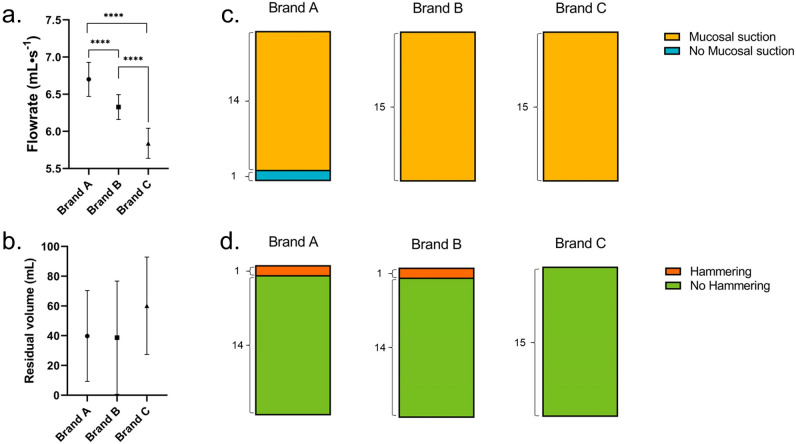
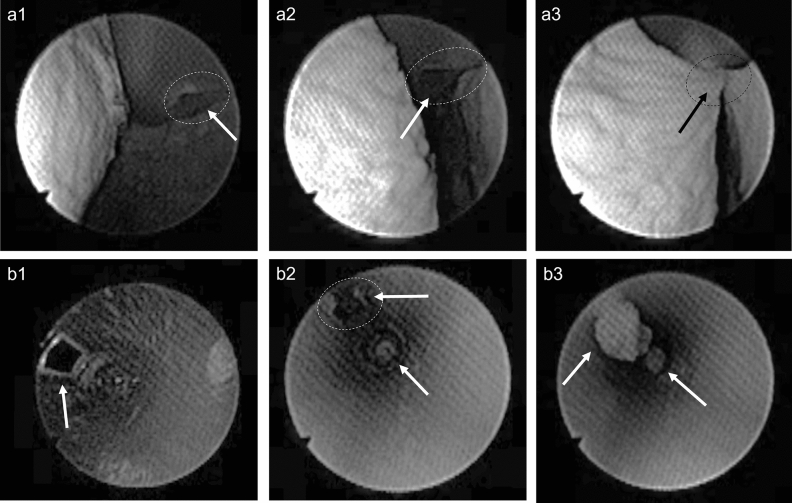
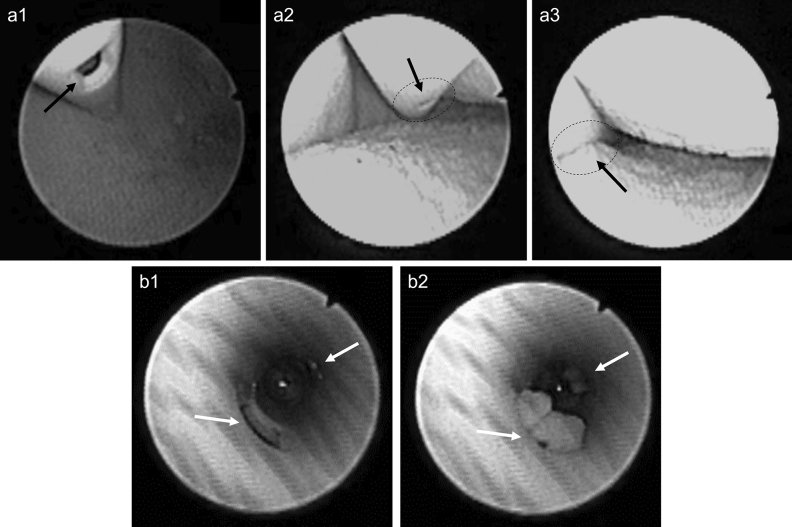
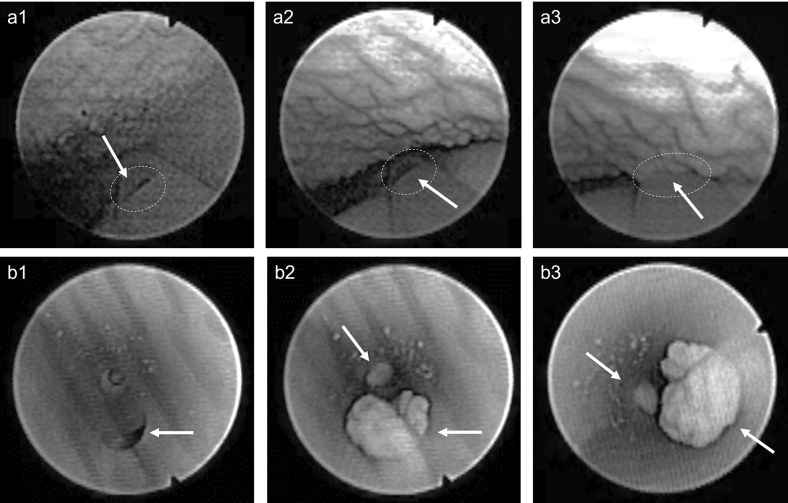
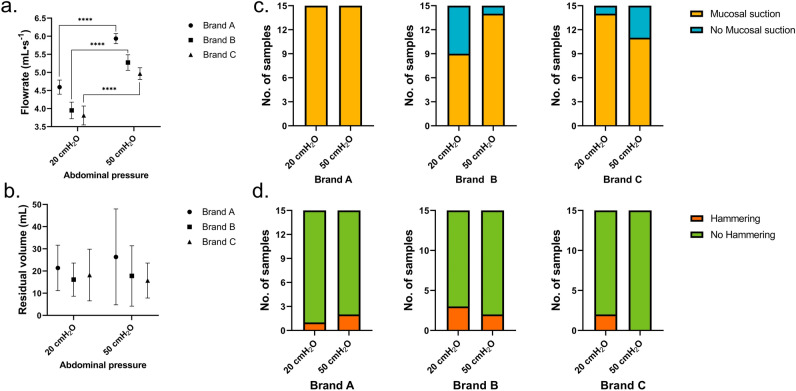
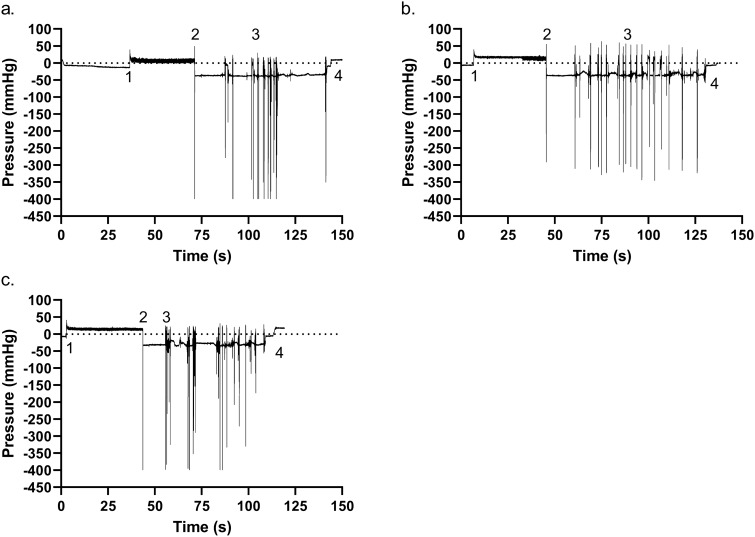
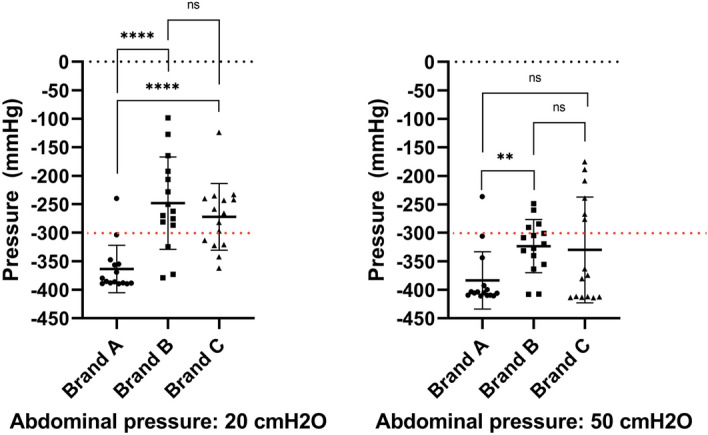
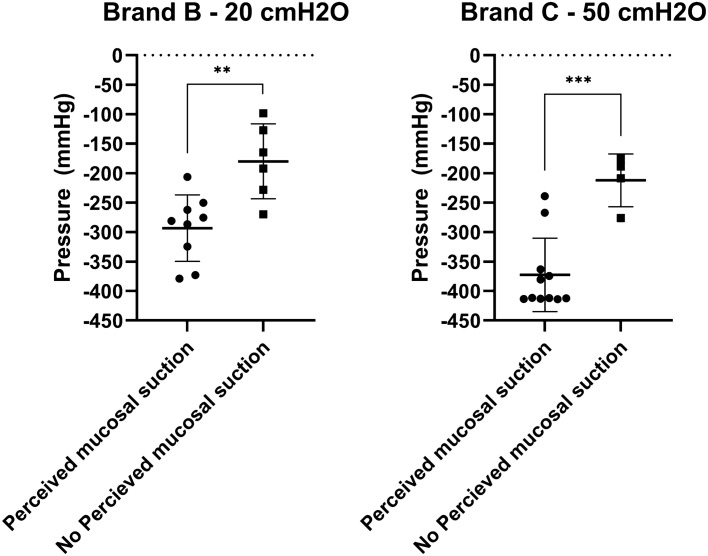
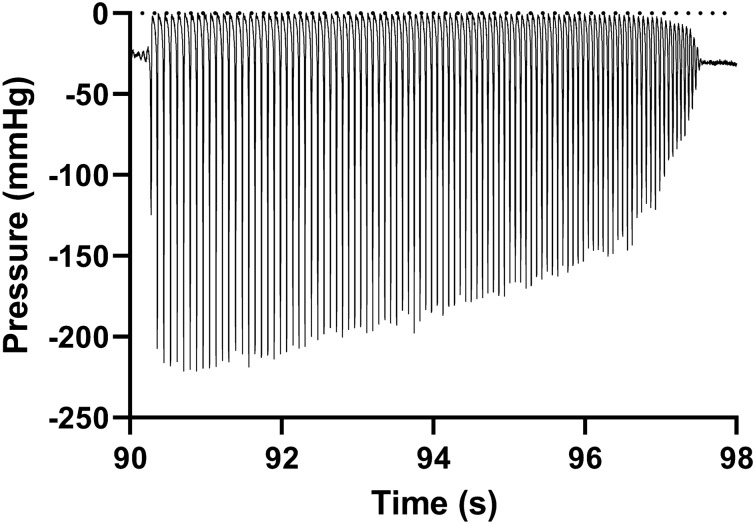
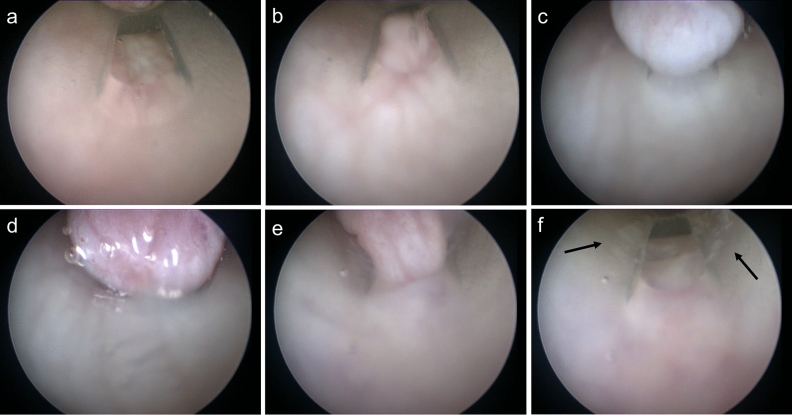
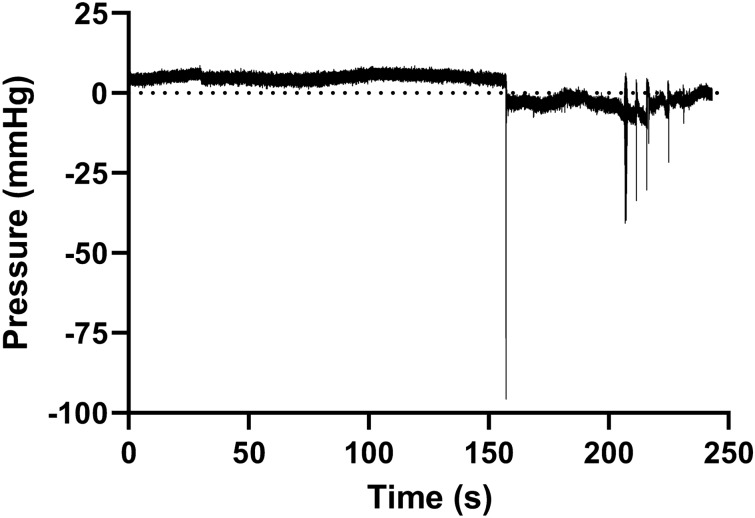
Intermittent catheterization is the gold standard method for bladder management in individuals with urinary retention and/or incontinence. It is therefore important to understand the performance of urinary catheters, especially on parameters associated to risks of developing urinary tract infections, and that may impact the quality of life for urinary catheter users. Examples of such parameters include, urine flowrate, occurrence of flow-stops, and residual urine left in the bladder after flow-stop. Reliable in-vitro and/or ex-vivo laboratory models represent a strong asset to assess the performance of urinary catheters, preceding and guiding in-vivo animal studies and/or human clinical studies. Existing laboratory models are generally simplified, covering only portions of the catheterization process, or poorly reflect clinical procedures. In this work, we developed an ex-vivo porcine lower urinary tract model that better reflects the catheterization procedure in humans and allows to investigate the performance of standard of care catheters. The performance of three standard of care catheters was investigated in the developed model showing significant differences in terms of flowrate. No differences were detected in terms of residual volume in the bladder at first flow-stop also when tuning the abdominal pressure to mimic a sitting down and standing up position. A newly discovered phenomenon named hammering was detected and measured. Lastly, mucosal suction was observed and measured in all standard of care catheters, raising the concern for microtrauma during catheterization and a need for new and improved urinary catheter designs. Results obtained with the ex-vivo model were compared to in-vivo studies, highlighting similar concerns.
© 2022. The Author(s).
Conflict of interest statement
This study was financially supported by Coloplast A/S, Denmark. Article processing charges were also covered by Coloplast A/S, Denmark. Fabio Tentor reports financial support: administrative support, article publishing charges, equipment, chemicals, or supplies, and statistical analysis were provided by Coloplast A/S. Fabio Tentor, Brit Grønholt Schrøder, Simon Nielsen, Lars Schertinger, and Lene Feldskov Nielsen reports a relationship with Coloplast that includes: employment within the last 3 years of this submission. Per Bagi reports a relationship with Coloplast that includes: consulting or advisory. Thomas Emil Andersen and Kristian Stærk declare no competing interest.
Figures
References
-
- Serlin DC, Heidelbaugh JJ, Stoffel JT. Urinary retention in adults: Evaluation and initial management. Am. Fam. Physician. 2018;98:496–503. - PubMed
Publication types
MeSH terms
LinkOut - more resources
Full Text Sources
Medical
