


Prognostic Role of DNA Damage Response Genes Mutations and their Association With the Sensitivity of Olaparib in Prostate Cancer Patients
- PMID: 36283420
- PMCID: PMC9608002
- DOI: 10.1177/10732748221129451
Prognostic Role of DNA Damage Response Genes Mutations and their Association With the Sensitivity of Olaparib in Prostate Cancer Patients
Abstract
Objective: Evidence shows that gene mutation is a significant proportion of genetic factors associated with prostate cancer. The DNA damage response (DDR) is a signal cascade network that aims to maintain genomic integrity in cells. This comprehensive study was performed to determine the link between different DNA damage response gene mutations and prostate cancer.
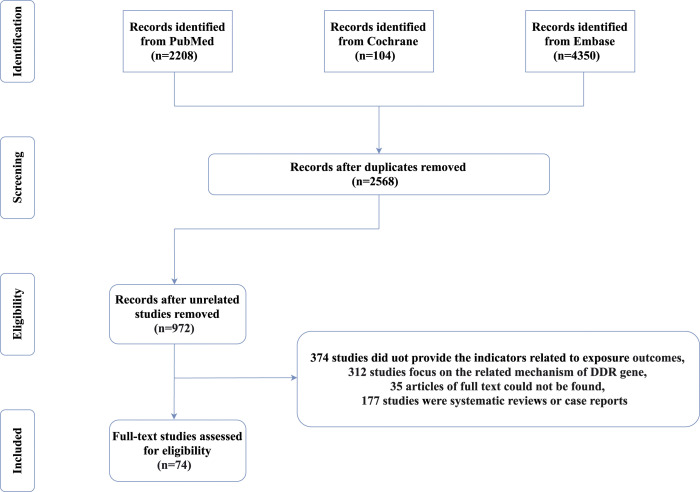
Materials and methods: A systematic literature search was performed using PubMed, Web of Science, and Embase. Papers published up to February 1, 2022 were retrieved. The DDR gene mutations associated with prostate cancer were identified by referring to relevant research and review articles. Data of prostate cancer patients from multiple PCa cohorts were obtained from cBioPortal. The OR or HR and 95% CIs were calculated using both fixed-effects models (FEMs) and random-effects models (REMs).
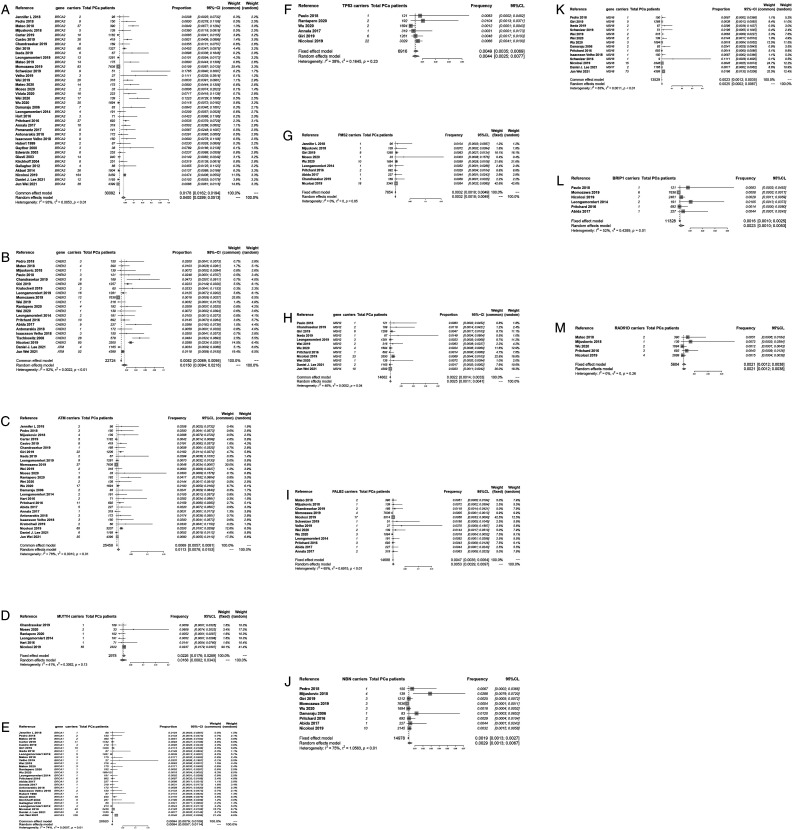
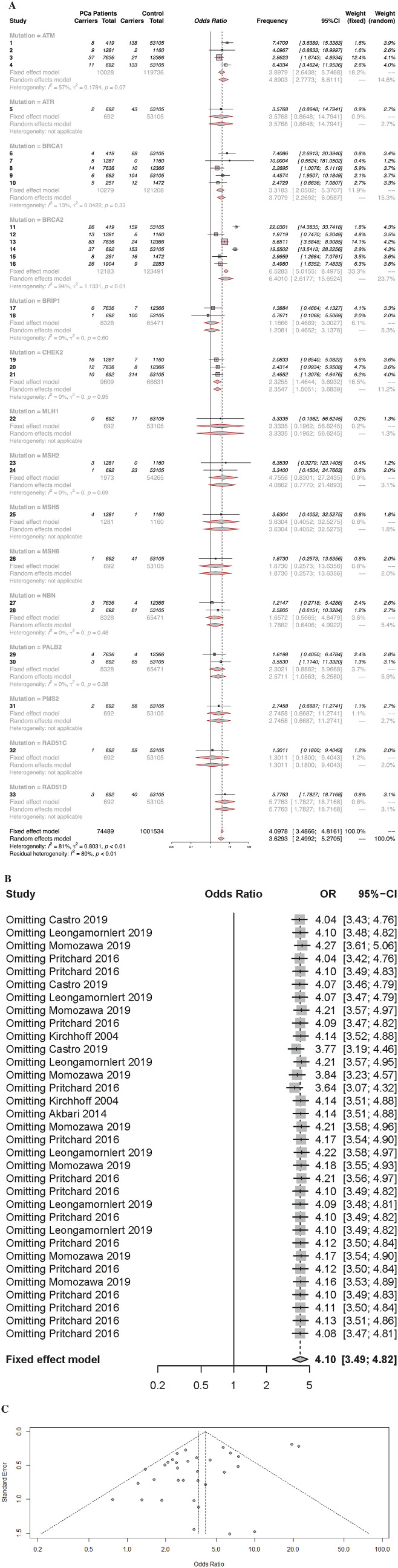
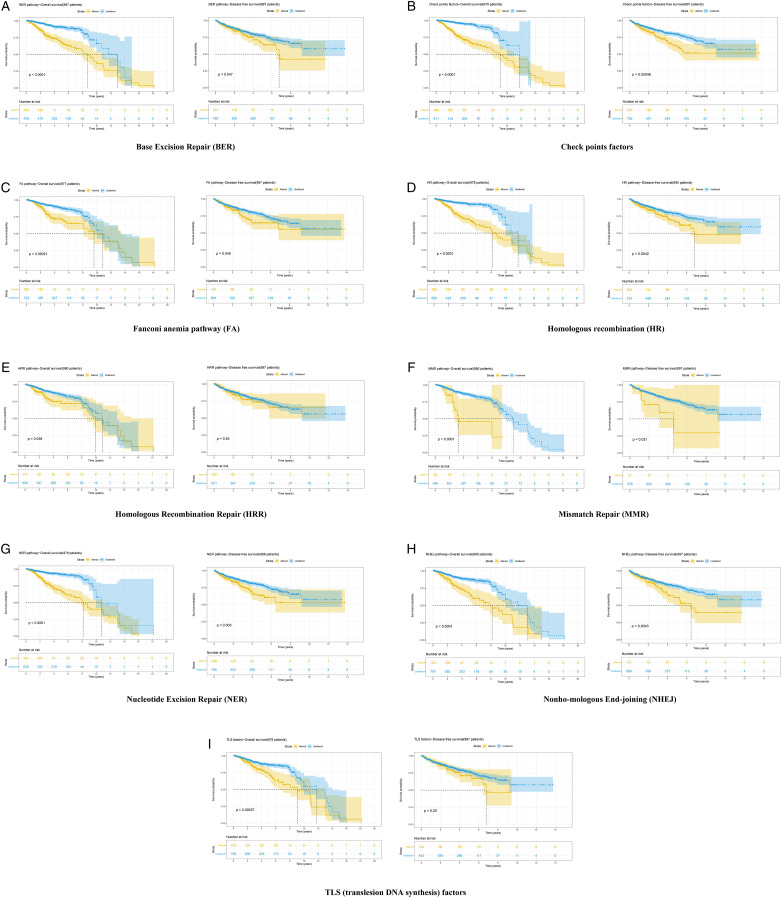
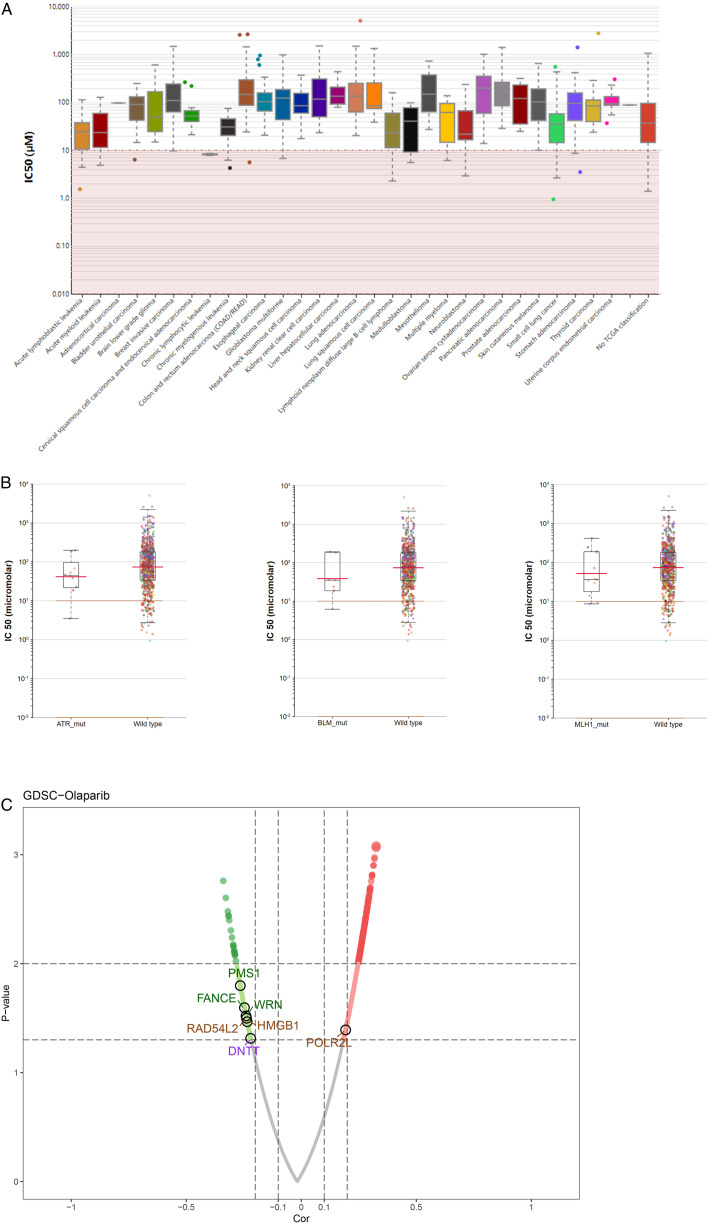
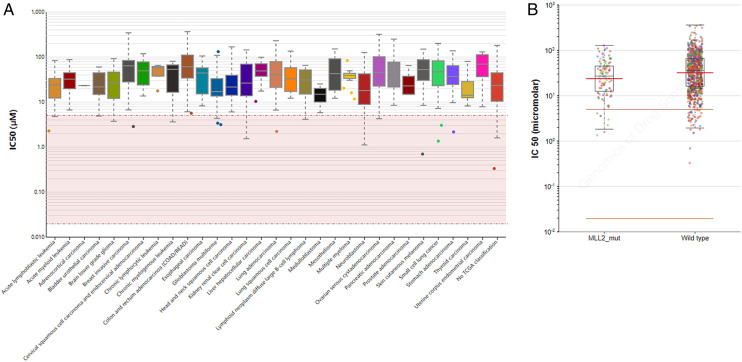
Results: Seventy-four studies were included in this research, and the frequency of 13 DDR genes was examined. Through the analysis of 33 articles that focused on the risk estimates of DDR genes between normal people and PCa patients, DDR genes were found to be more common in prostate cancer patients (OR = 3.6293 95% CI [2.4992; 5.2705]). Also, patients in the mutated group had a worse OS and DFS outcome than those in the unmutated group (P < .05). Of the 13 DDR genes, the frequency of 9 DDR genes in prostate cancer was less than 1%, and despite differences in race, BRCA2 was the potential gene with the highest frequency (REM Frequency = .0400, 95% CI .0324 - .0541). The findings suggest that mutations in genes such as ATR, BLM, and MLH1 in PCa patients may increase the sensitivity of Olaparib, a PARP inhibitor.
Conclusion: These results demonstrate that mutation in any DDR pathway results in a poor prognosis for PCa patients. Furthermore, mutations in ATR, BLM, and MLH1 or the expression of POLR2L, PMS1, FANCE, and other genes significantly influence Olaparib sensitivity, which may be underlying therapeutic targets in the future.
Keywords: DNA damage response; frequency; gene mutations; prognosis; prostate cancer.
Conflict of interest statement
The author(s) declared no potential conflicts of interest with respect to the research, authorship, and/or publication of this article.
Figures


References
-
- Lichtenstein P, Holm NV, Verkasalo K, et al. Environmental and heritable factors in the causation of cancer--analyses of cohorts of twins from Sweden, Denmark, and Finland [J]. N Engl J Med. 2000;343(2):78-85. - PubMed
-
- Verhage BA, Baffoe-Bonnie AB, Baglietto L, et al. Autosomal dominant inheritance of prostate cancer: a confirmatory study [J]. Urology. 2001;57(1):97-101. - PubMed
Publication types
MeSH terms
Substances
LinkOut - more resources
Full Text Sources
Medical
Research Materials
Miscellaneous
