


Uncovering the genetic architecture of broad antisocial behavior through a genome-wide association study meta-analysis
- PMID: 36284158
- PMCID: PMC10902879
- DOI: 10.1038/s41380-022-01793-3
Uncovering the genetic architecture of broad antisocial behavior through a genome-wide association study meta-analysis
Abstract
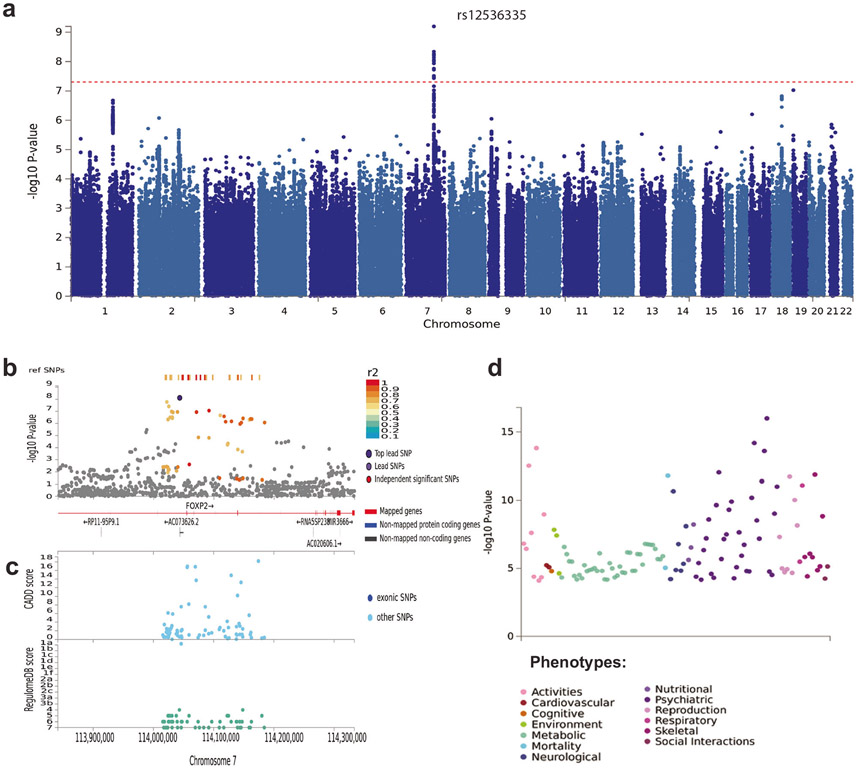
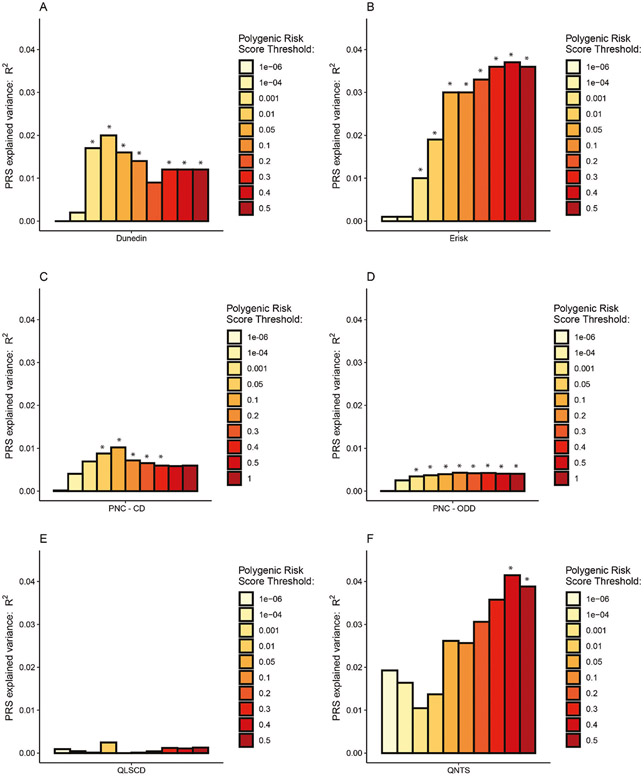
Despite the substantial heritability of antisocial behavior (ASB), specific genetic variants robustly associated with the trait have not been identified. The present study by the Broad Antisocial Behavior Consortium (BroadABC) meta-analyzed data from 28 discovery samples (N = 85,359) and five independent replication samples (N = 8058) with genotypic data and broad measures of ASB. We identified the first significant genetic associations with broad ASB, involving common intronic variants in the forkhead box protein P2 (FOXP2) gene (lead SNP rs12536335, p = 6.32 × 10⁻¹⁰). Furthermore, we observed intronic variation in Foxp2 and one of its targets (Cntnap2) distinguishing a mouse model of pathological aggression (BALB/cJ strain) from controls (BALB/cByJ strain). Polygenic risk score (PRS) analyses in independent samples revealed that the genetic risk for ASB was associated with several antisocial outcomes across the lifespan, including diagnosis of conduct disorder, official criminal convictions, and trajectories of antisocial development. We found substantial genetic correlations of ASB with mental health (depression rg = 0.63, insomnia rg = 0.47), physical health (overweight rg = 0.19, waist-to-hip ratio rg = 0.32), smoking (rg = 0.54), cognitive ability (intelligence rg = -0.40), educational attainment (years of schooling rg = -0.46) and reproductive traits (age at first birth rg = -0.58, father's age at death rg = -0.54). Our findings provide a starting point toward identifying critical biosocial risk mechanisms for the development of ASB.
© 2022. The Author(s), under exclusive licence to Springer Nature Limited.
Figures

References
-
- Allen JJ, Anderson CA. Aggression and violence: definitions and distinctions. In: The Wiley handbook of violence and aggression, Peter Sturmey (Editor-in-Chief), John Wiley & Sons, New Jersey. American Cancer Society; 2017. p. 1–14.
-
- Brewin CR, Andrews B, Rose S, Kirk M. Acute stress disorder and posttraumatic stress disorder in victims of violent crime. Am J Psychiatry. 1999;156:360–6. - PubMed
-
- Eme R. Male life-course-persistent antisocial behavior: the most important pediatric mental health problem. Arch Pediatrics Adolesc Med. 2010;164:486–7. - PubMed
Publication types
MeSH terms
Substances
Grants and funding
- MC_PC_19009/MRC_/Medical Research Council/United Kingdom
- R01 DA050721/DA/NIDA NIH HHS/United States
- DH_/Department of Health/United Kingdom
- MC_PC_15018/MRC_/Medical Research Council/United Kingdom
- MR/P005918/1/MRC_/Medical Research Council/United Kingdom
- U10 AA008401/AA/NIAAA NIH HHS/United States
- R01 DA044283/DA/NIDA NIH HHS/United States
- G9815508/MRC_/Medical Research Council/United Kingdom
- R01 AA028064/AA/NIAAA NIH HHS/United States
- MC_UU_00011/7/MRC_/Medical Research Council/United Kingdom
- G1002190/MRC_/Medical Research Council/United Kingdom
- R34 AA027347/AA/NIAAA NIH HHS/United States
- G19/2/MRC_/Medical Research Council/United Kingdom
- R25 AA027402/AA/NIAAA NIH HHS/United States
- U01 MH109514/MH/NIMH NIH HHS/United States
- P50 AA022537/AA/NIAAA NIH HHS/United States
- WT_/Wellcome Trust/United Kingdom
- R01 AA015416/AA/NIAAA NIH HHS/United States
LinkOut - more resources
Full Text Sources
Other Literature Sources
