


The Oncogenic and Tumor Suppressive Long Non-Coding RNA-microRNA-Messenger RNA Regulatory Axes Identified by Analyzing Multiple Platform Omics Data from Cr(VI)-Transformed Cells and Their Implications in Lung Cancer
- PMID: 36289596
- PMCID: PMC9598927
- DOI: 10.3390/biomedicines10102334
The Oncogenic and Tumor Suppressive Long Non-Coding RNA-microRNA-Messenger RNA Regulatory Axes Identified by Analyzing Multiple Platform Omics Data from Cr(VI)-Transformed Cells and Their Implications in Lung Cancer
Abstract
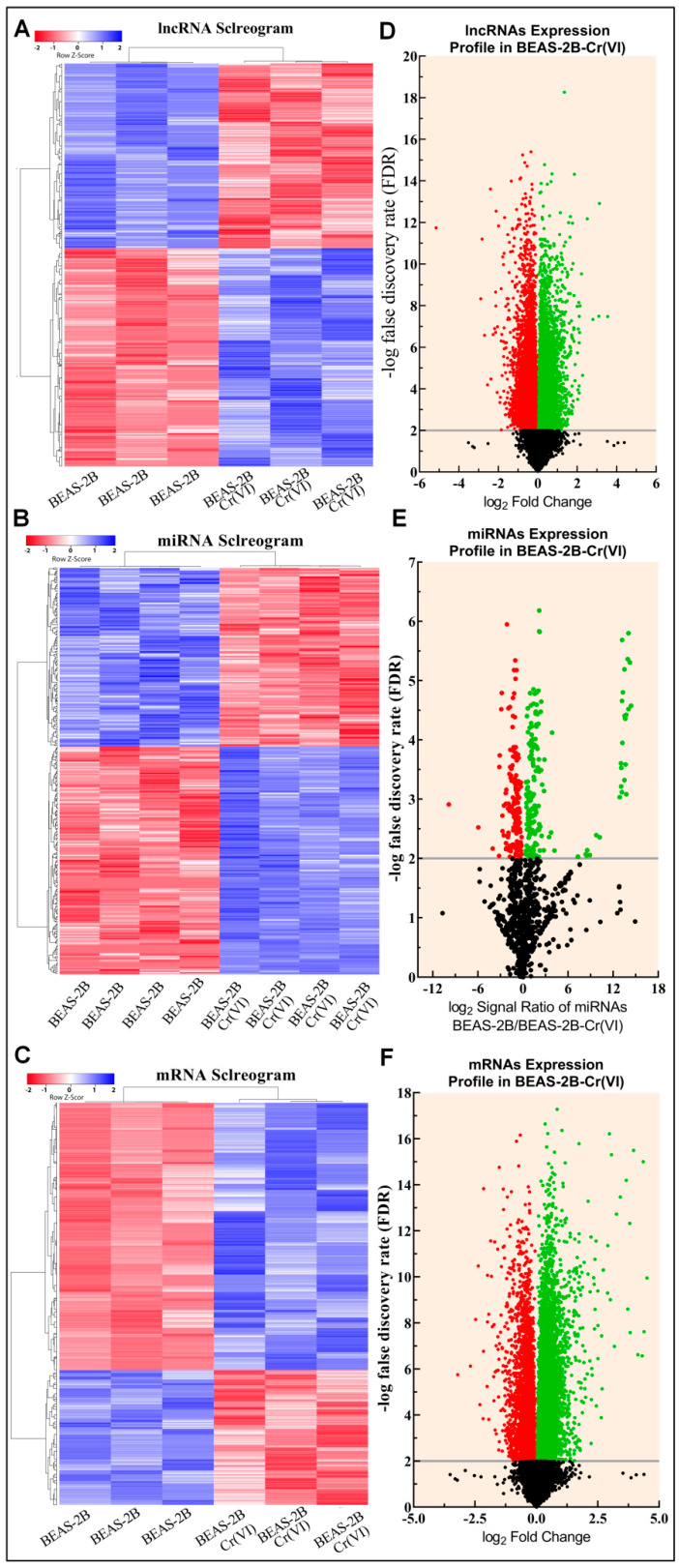
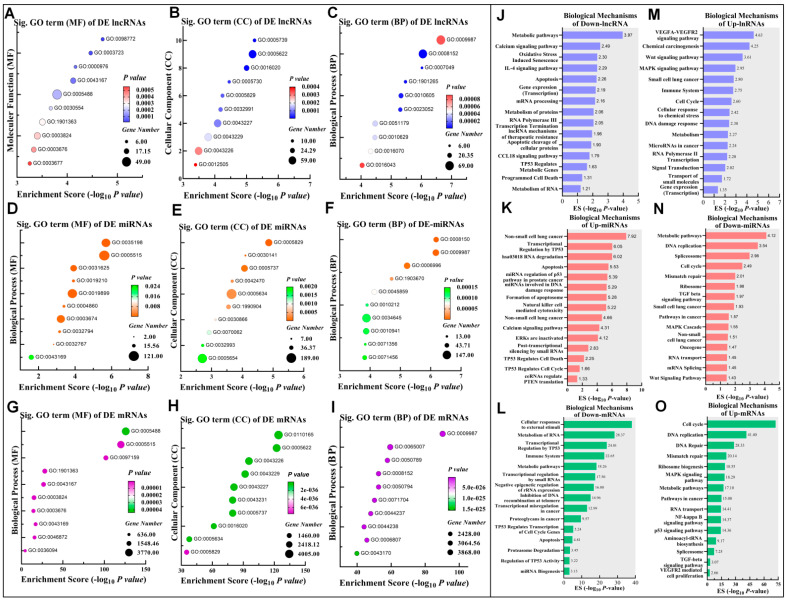
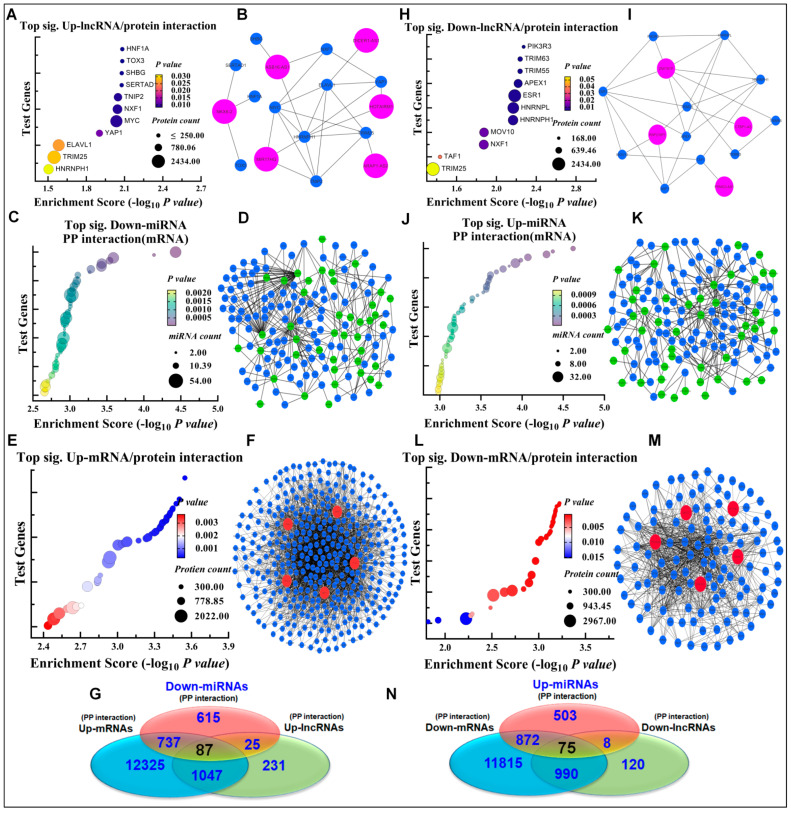
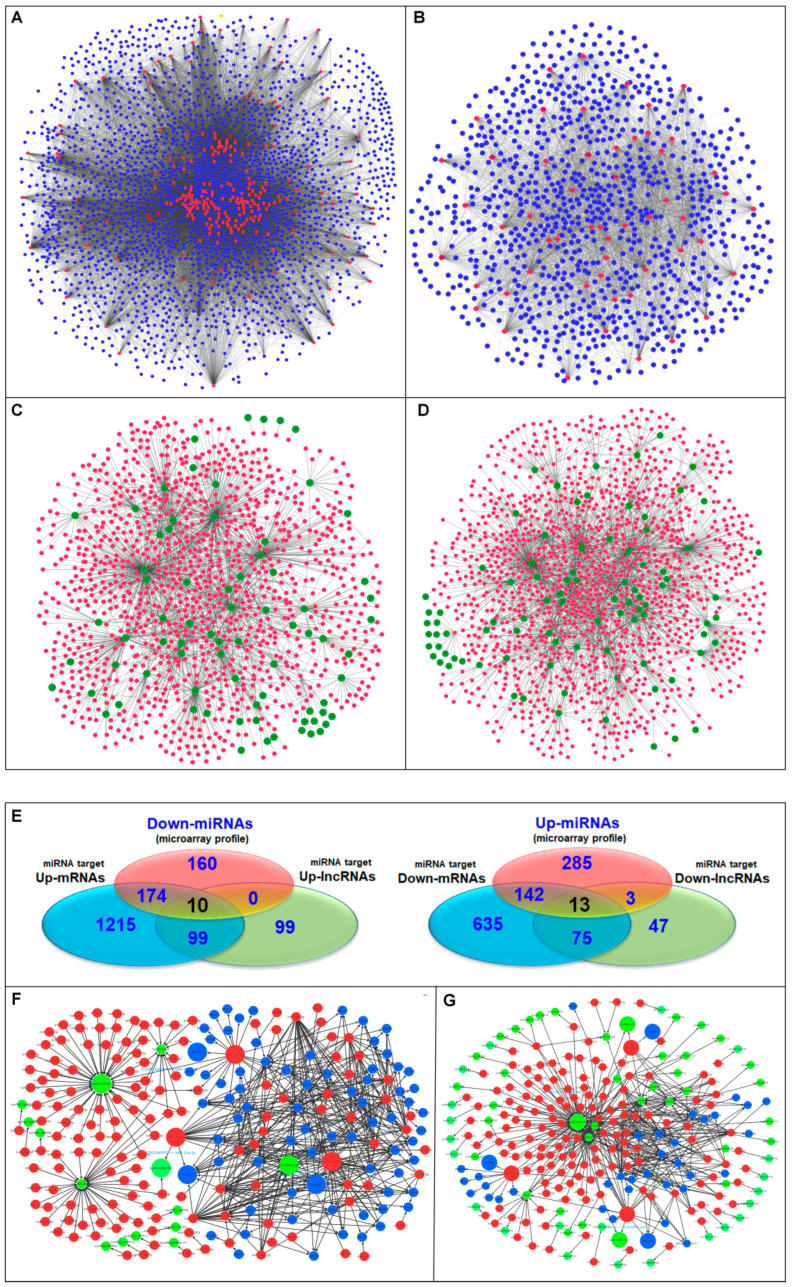
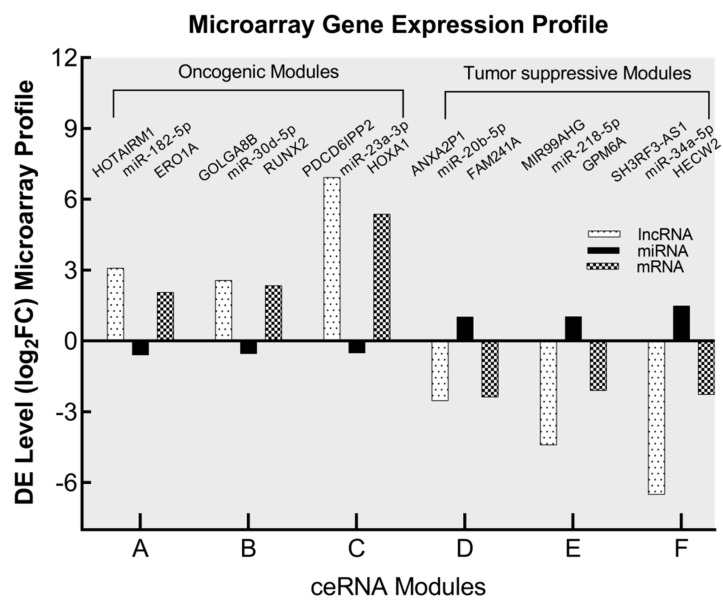
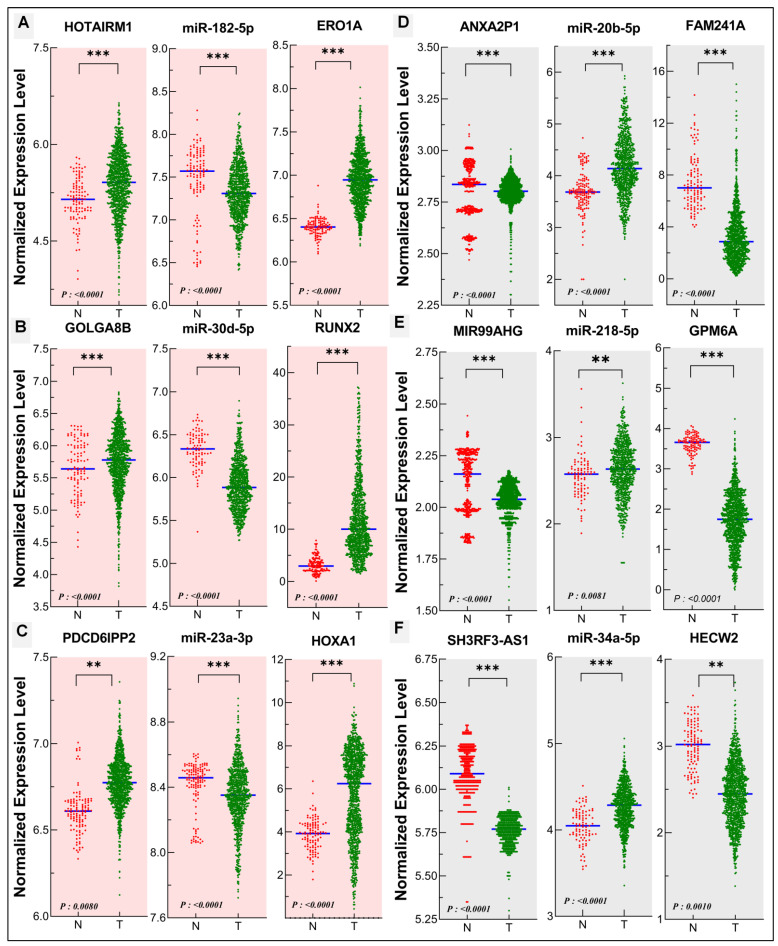
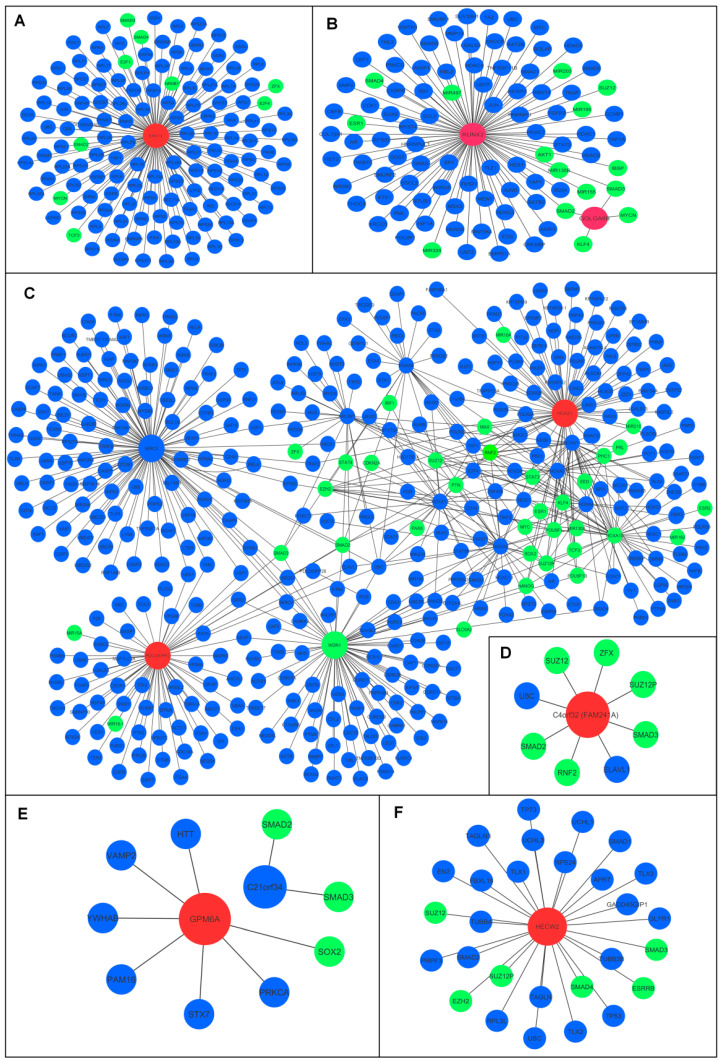
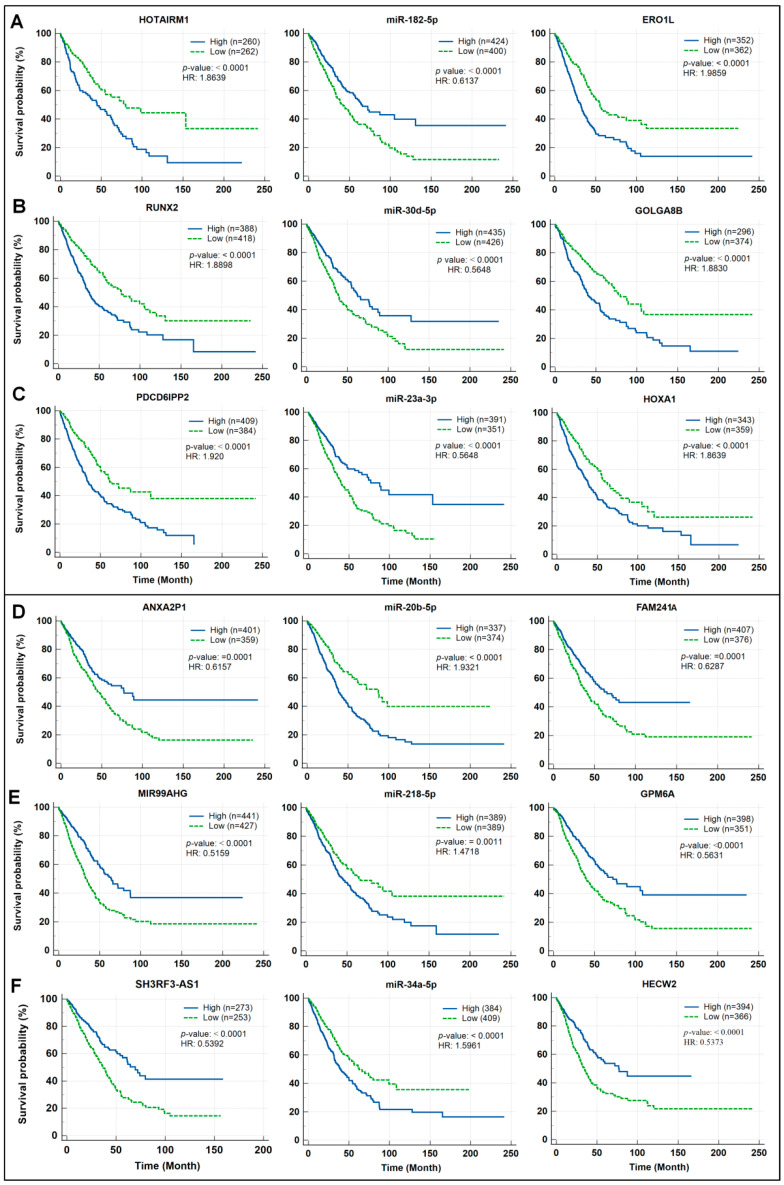
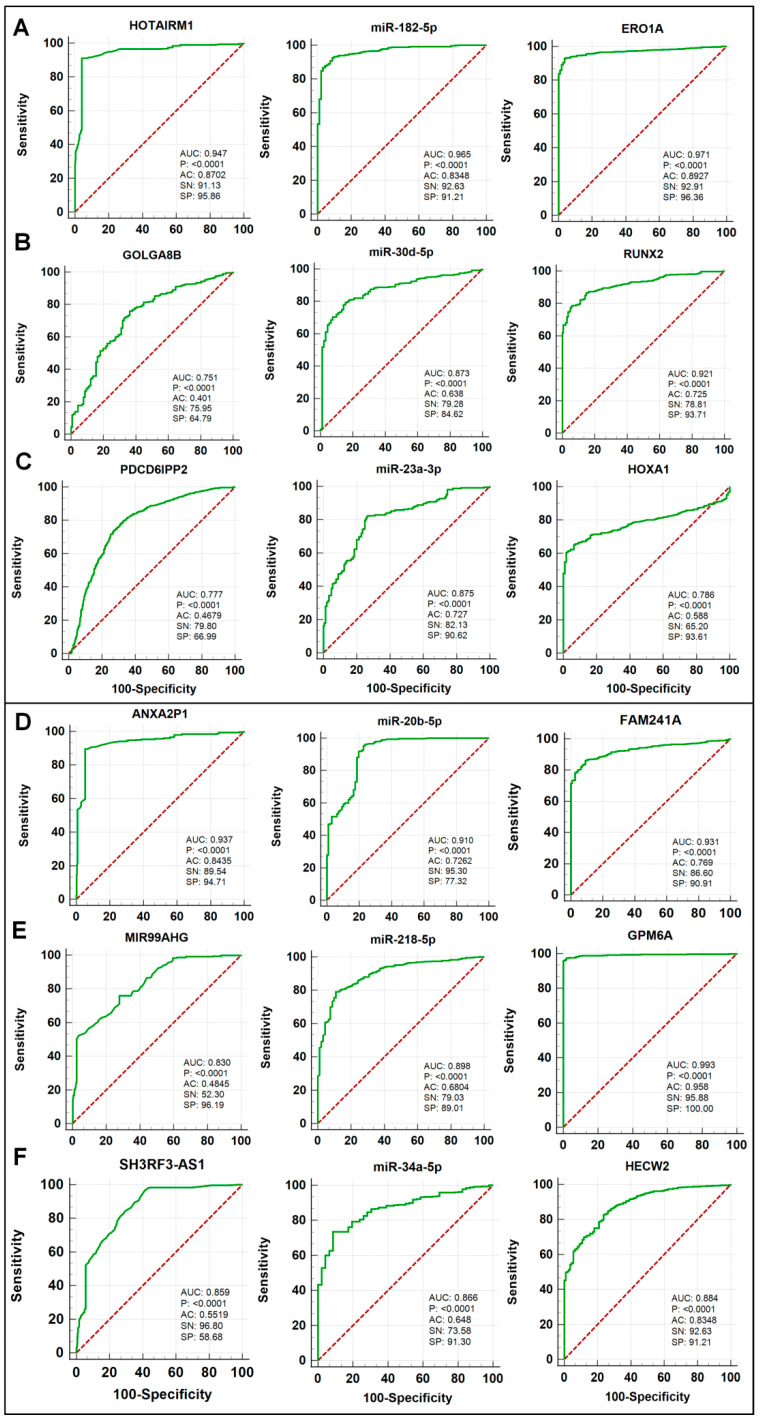
Chronic exposure to hexavalent chromium (Cr(VI)) causes lung cancer in humans, however, the underlying mechanism has not been well understood. Long non-coding RNAs (lncRNAs) and microRNAs (miRNAs) are commonly studied non-coding RNAs. miRNAs function mainly through interaction with the 3'-untranslated regions of messenger RNAs (mRNAs) to down-regulate gene expression. LncRNAs have been shown to function as competing endogenous RNAs (ceRNAs) to sponge miRNAs and regulate gene expression. It is now well accepted that lncRNAs and miRNAs could function as oncogenes or tumor suppressors. Dysregulations of lncRNAs and miRNAs have been shown to play important roles in cancer initiation, progression, and prognosis. To explore the mechanism of Cr(VI) lung carcinogenesis, we performed lncRNA, mRNA, and miRNA microarray analysis using total RNAs from our previously established chronic Cr(VI) exposure malignantly transformed and passage-matched control human bronchial epithelial BEAS-2B cells. Based on the differentially expressed lncRNAs, miRNAs, and mRNAs between the control (BEAS-2B-Control) and Cr(VI)-transformed (BEAS-Cr(VI)) cells and by using the lncRNA-miRNA interaction and miRNA target prediction algorithms, we identified three oncogenic (HOTAIRM1/miR-182-5p/ERO1A, GOLGA8B/miR-30d-5p/RUNX2, and PDCD6IPP2/miR-23a-3p/HOXA1) and three tumor suppressive (ANXA2P1/miR-20b-5p/FAM241A (C4orf32), MIR99AHG/miR-218-5p/GPM6A, and SH3RF3-AS1/miR-34a-5p/HECW2) lncRNA-miRNA-mRNA regulatory axes. Moreover, the relevance of these three oncogenic and three tumor suppressive lncRNA-miRNA-mRNA regulatory axes in lung cancer was explored by analyzing publicly available human lung cancer omics datasets. It was found that the identified three oncogenic lncRNA-miRNA-mRNA regulatory axes (HOTAIRM1/miR-182-5p/ERO1A, GOLGA8B/miR-30d-5p/RUNX2, and PDCD6IPP2/miR-23a-3p/HOXA1) and the three tumor suppressive lncRNA-miRNA-mRNA regulatory axes (ANXA2P1/miR-20b-5p/FAM241A (C4orf32), MIR99AHG/miR-218-5p/GPM6A, and SH3RF3-AS1/miR-34a-5p/HECW2) have significant diagnostic and prognosis prediction values in human lung cancer. In addition, our recent studies showed that Cr(VI)-transformed cells display cancer stem cell (CSC)-like properties. Further bioinformatics analysis identified the oncogenic lncRNA-miRNA-mRNA regulatory axes as the potential regulators of cancer stemness. In summary, our comprehensive analysis of multiple platform omics datasets obtained from Cr(VI)-transformed human bronchial epithelial cells identified several oncogenic and tumor suppressive lncRNA-miRNA-mRNA regulatory axes, which may play important roles in Cr(VI) carcinogenesis and lung cancer in general.
Keywords: ROC curve; cancer stemness; ceRNA; hexavalent chromium (Cr(VI)); lncRNA; lung cancer; miRNA; prognosis.
Conflict of interest statement
The authors declare there are no conflicts of interest connected to this manuscript.
Figures
References
-
- Chromium I. IARC Monograph on the Evaluation of Carcinogenic Risks to Humans. World Health Organization; Lyon, France: 1990. Nickel, and welding.
-
- ATSDR (Agency for Toxic Substances and Disease Research) Top 20 Hazardous Substances: ATSDR/EPA Priority List for 2017. U.S. Department of Health and Human Services Public Health Service/U.S. Environmental Protection Agency. [(accessed on 10 June 2021)];2019 Available online: https://www.atsdr.cdc.gov/SPL/index.html#2019spl.
Grants and funding
LinkOut - more resources
Full Text Sources
