


Vitamin E and Non-Communicable Diseases: A Review
- PMID: 36289735
- PMCID: PMC9599164
- DOI: 10.3390/biomedicines10102473
Vitamin E and Non-Communicable Diseases: A Review
Abstract
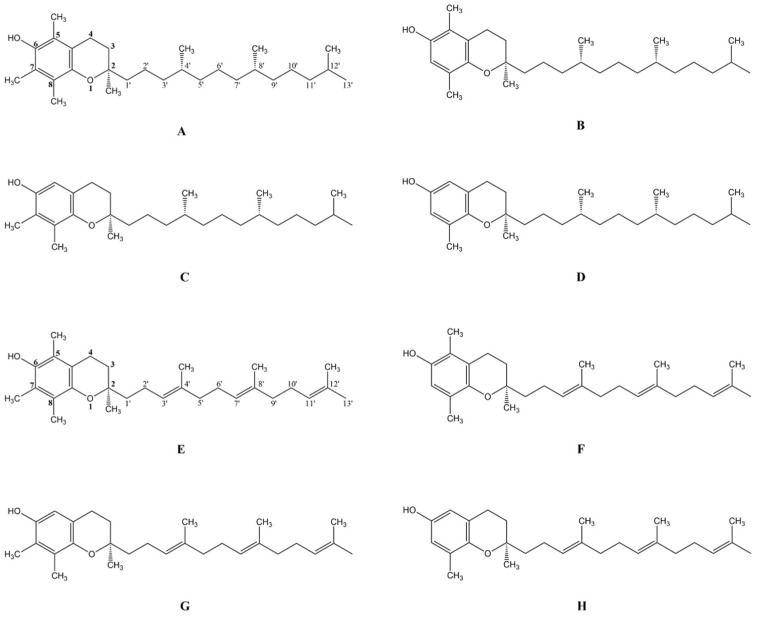
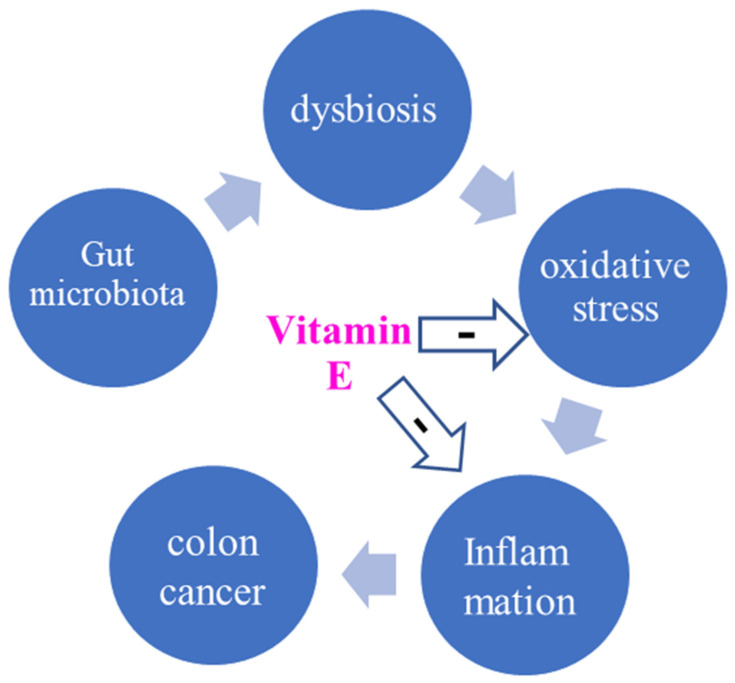
Vitamin E, a nutrient found in several foods, comprises eight lipophilic vitamers, the α-, β-, γ- and δ-tocopherols and the α-, β-, γ- and δ-tocotrienols. This vitamin is capable of exerting antioxidant and anti-inflammatory activities, and acting as immunomodulators. Despite these well-known biological activities, the findings regarding the ability of vitamin E and its serum metabolites to prevent and/or control chronic disease are often conflicting and inconsistent. In this review, we have described the metabolism of vitamin E and its interaction with the gut microbiota, considering that these factors may be partially responsible for the divergent results obtained. In addition, we focused on the correlations between vitamin E serum levels, dietary intake and/or supplementation, and the main non-communicable diseases, including diabetes mellitus, asthma, cardiovascular diseases, and the four most common cancers (breast cancer, lung cancer, colorectal cancer, and prostate cancer) with the intention of providing an overview of its health effects in the non-communicable-diseases prevention.
Keywords: Vitamin E; anti-inflammatory; antioxidant; asthma; cancer; cardiovascular diseases; diabetes; tocopherols; tocotrienols.
Conflict of interest statement
The authors declare no conflict of interest.
Figures
References
-
- Niki E., Abe K. Vitamin E: Structure, Properties and Functions. In: Niki E., editor. Vitamin E: Chemistry and Nutritional Benefits. 1st ed. Volume 11. Royal Society of Chemistry; London, UK: 2019. pp. 1–11.
-
- Torquato P., Ripa O., Giusepponi D., Galarini R., Bartolini D., Wallert M., Pellegrino R., Cruciani G., Lorkowski S., Birringer M., et al. Analytical strategies to assess the functional metabolome of vitamin E. J. Pharm. Biomed. Anal. 2016;124:399–412. doi: 10.1016/j.jpba.2016.01.056. - DOI - PubMed
Publication types
LinkOut - more resources
Full Text Sources
