Nuclear movement in multinucleated cells
- PMID: 36305464
- PMCID: PMC10655921
- DOI: 10.1242/dev.200749
Nuclear movement in multinucleated cells
Abstract
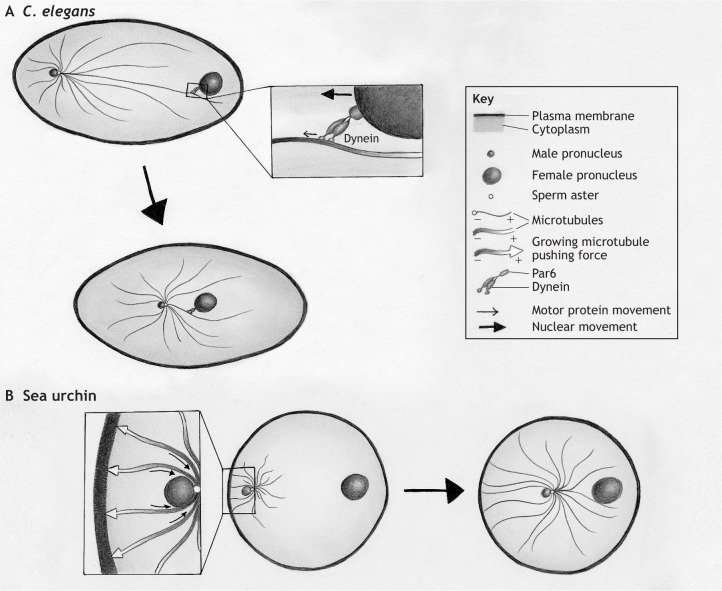
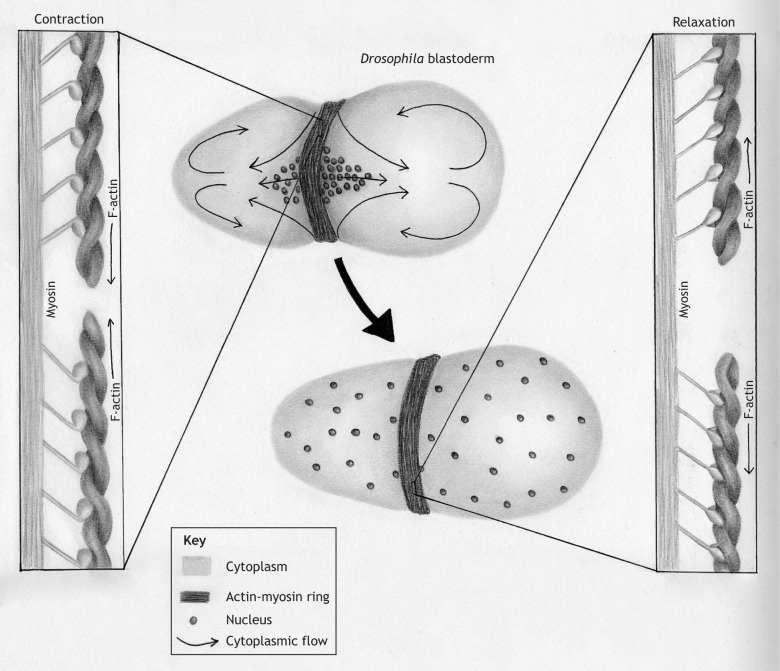
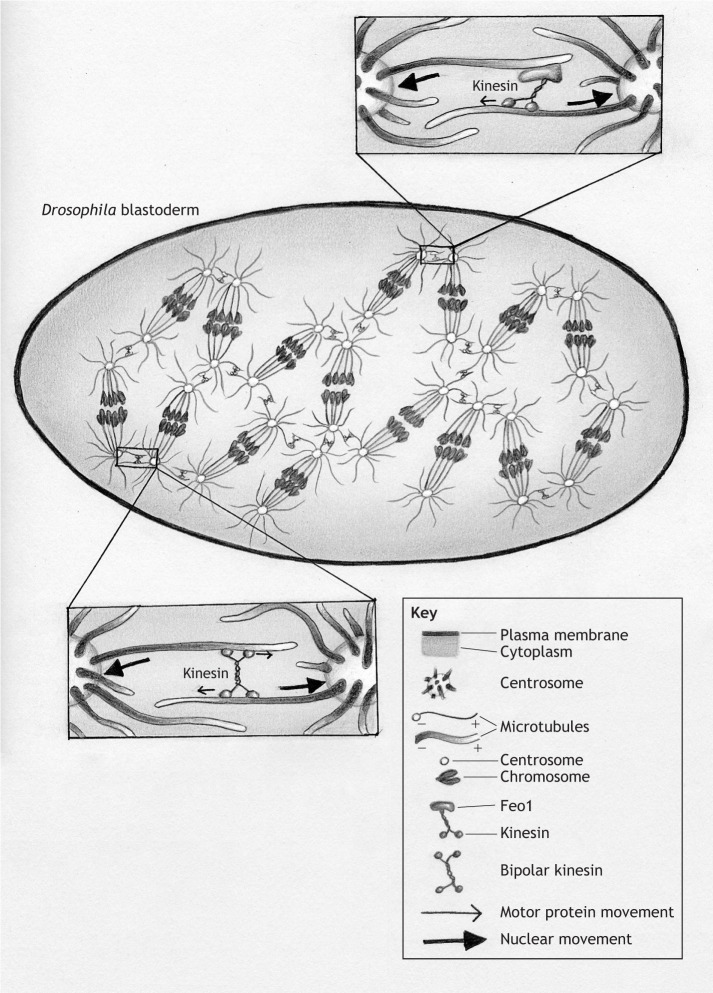
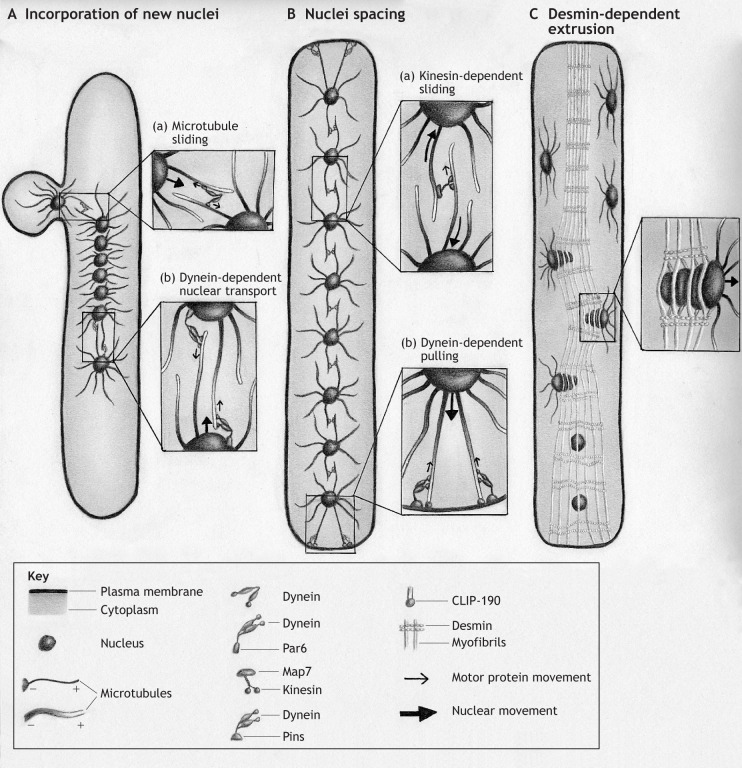
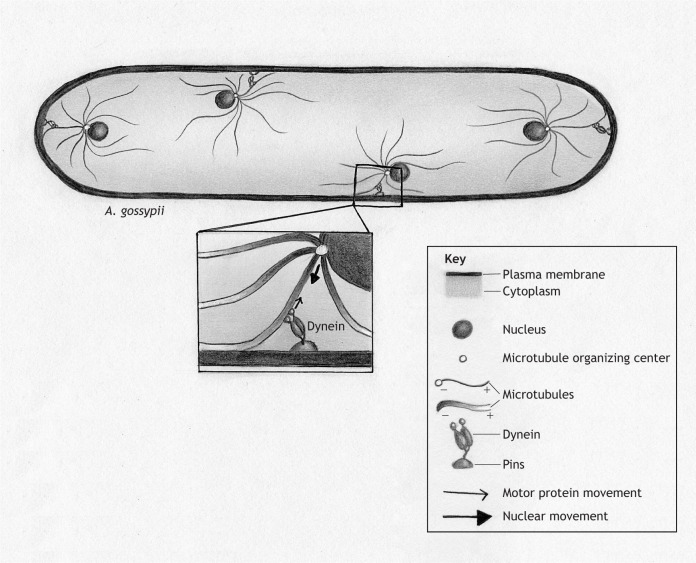
Nuclear movement is crucial for the development of many cell types and organisms. Nuclear movement is highly conserved, indicating its necessity for cellular function and development. In addition to mononucleated cells, there are several examples of cells in which multiple nuclei exist within a shared cytoplasm. These multinucleated cells and syncytia have important functions for development and homeostasis. Here, we review a subset of the developmental contexts in which the regulation of the movement and positioning of multiple nuclei are well understood, including pronuclear migration, the Drosophila syncytial blastoderm, the Caenorhabditis elegans hypodermis, skeletal muscle and filamentous fungi. We apply the principles learned from these models to other systems.
Keywords: Cytoskeleton; LINC complex; Nuclear movement; Syncytia.
© 2022. Published by The Company of Biologists Ltd.
Conflict of interest statement
Competing interests The authors declare no competing or financial interests.
Figures
References
-
- Auld, A. L., Collins, M. A., Mandigo, T. R. and Folker, E. S. (2018a). High-resolution imaging methods to analyze LINC complex function during Drosophila muscle development. In The LINC Complex: Methods and Protocols (ed. Gundersen G. G. and Worman H. J.), pp. 181-203. New York, NY: Springer New York. - PubMed
Publication types
MeSH terms
Grants and funding
LinkOut - more resources
Full Text Sources
Molecular Biology Databases