


Sex-specific role of myostatin signaling in neonatal muscle growth, denervation atrophy, and neuromuscular contractures
- PMID: 36314781
- PMCID: PMC9873256
- DOI: 10.7554/eLife.81121
Sex-specific role of myostatin signaling in neonatal muscle growth, denervation atrophy, and neuromuscular contractures
Abstract
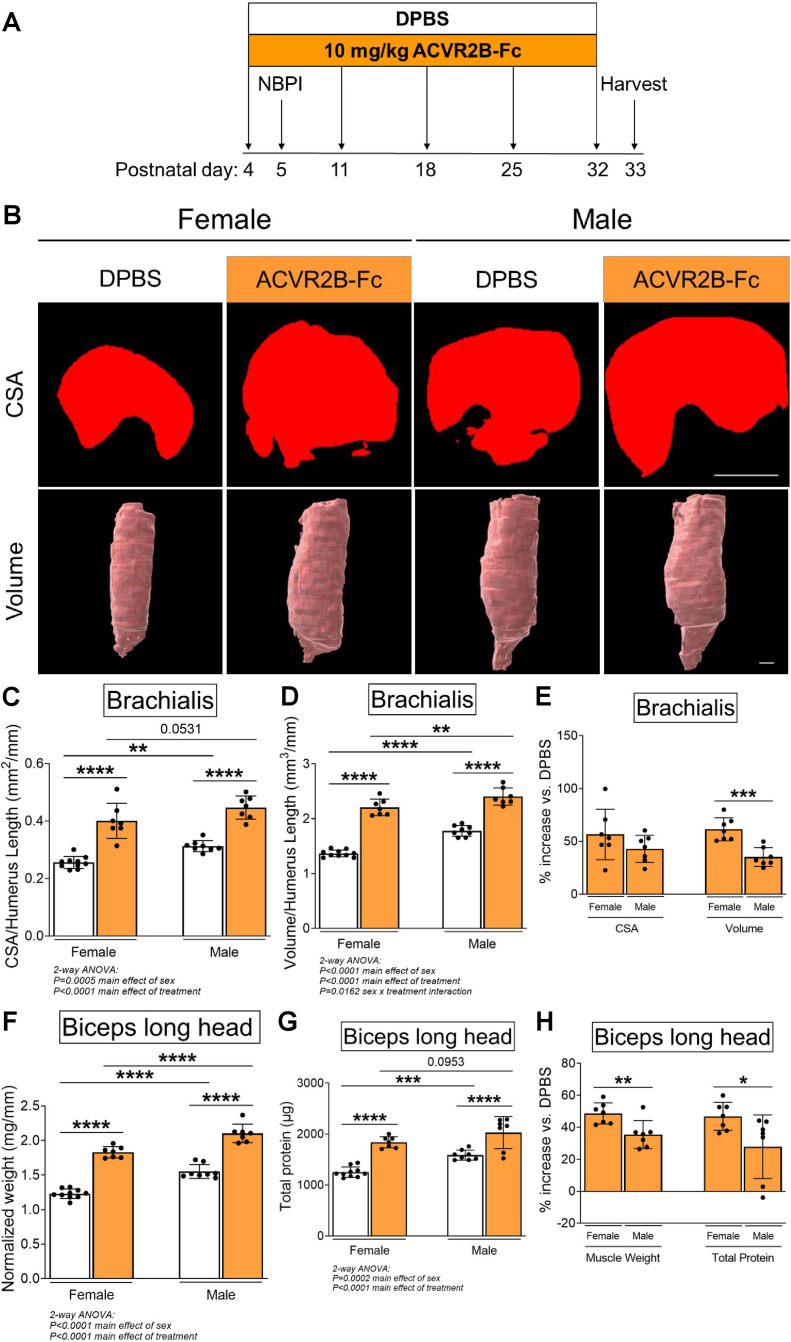
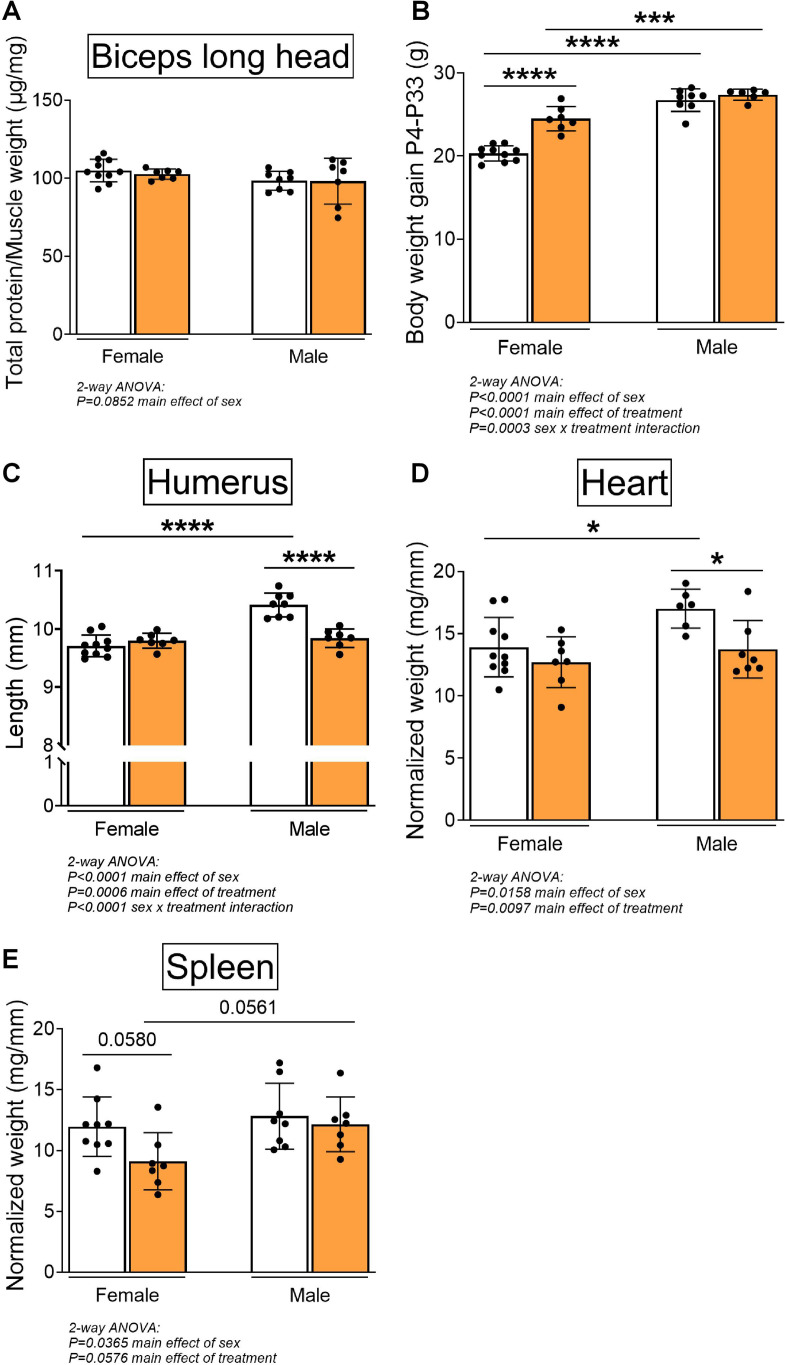
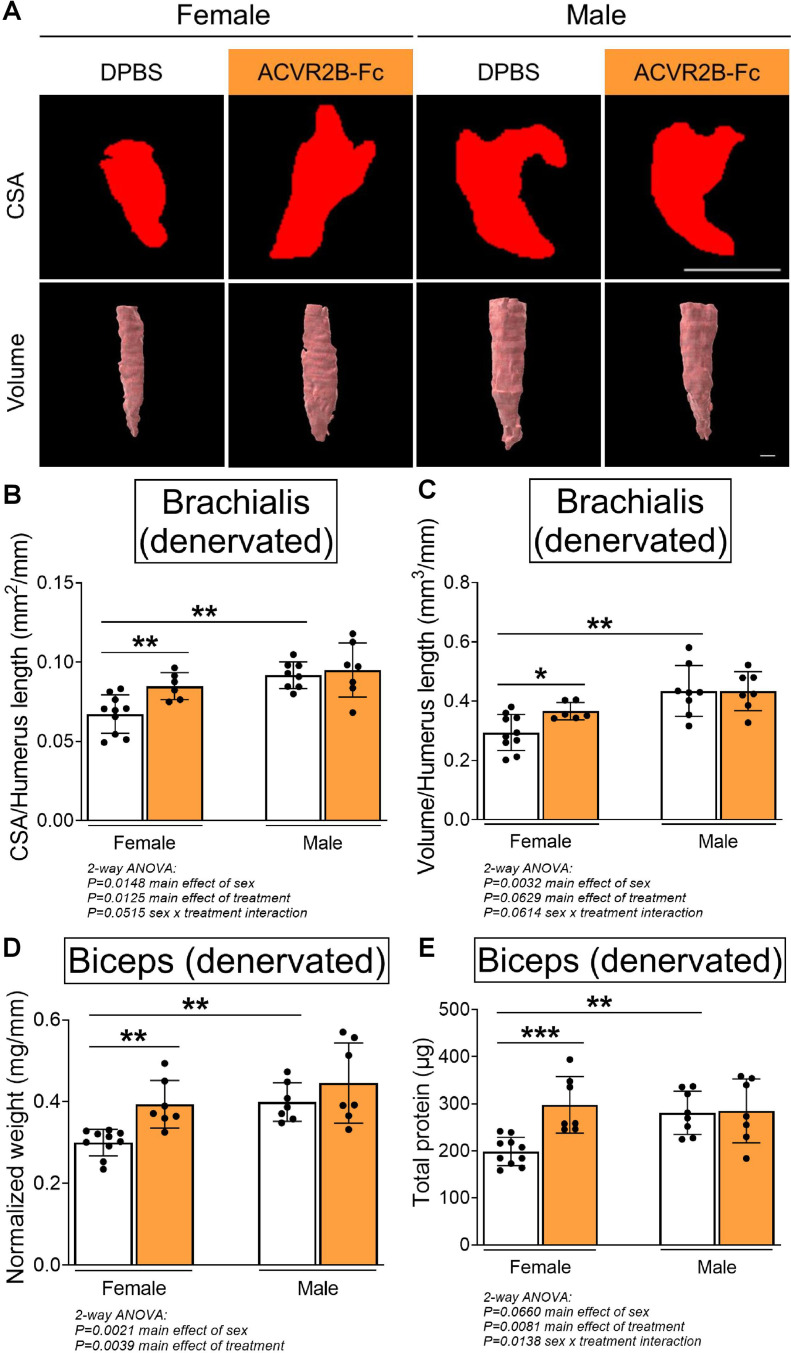
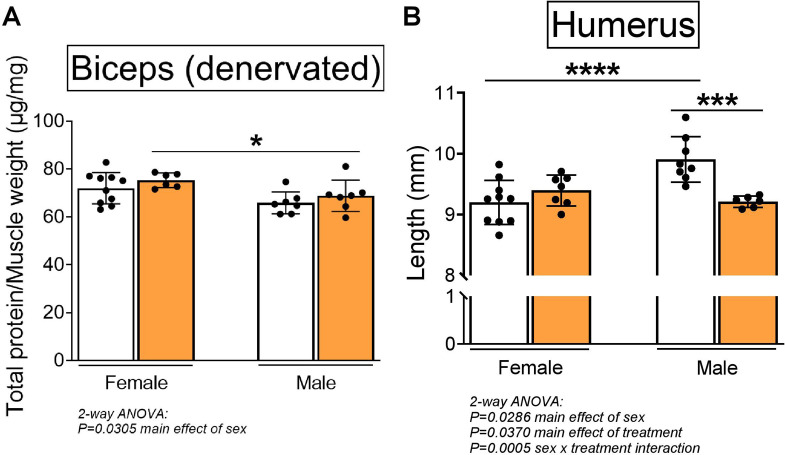
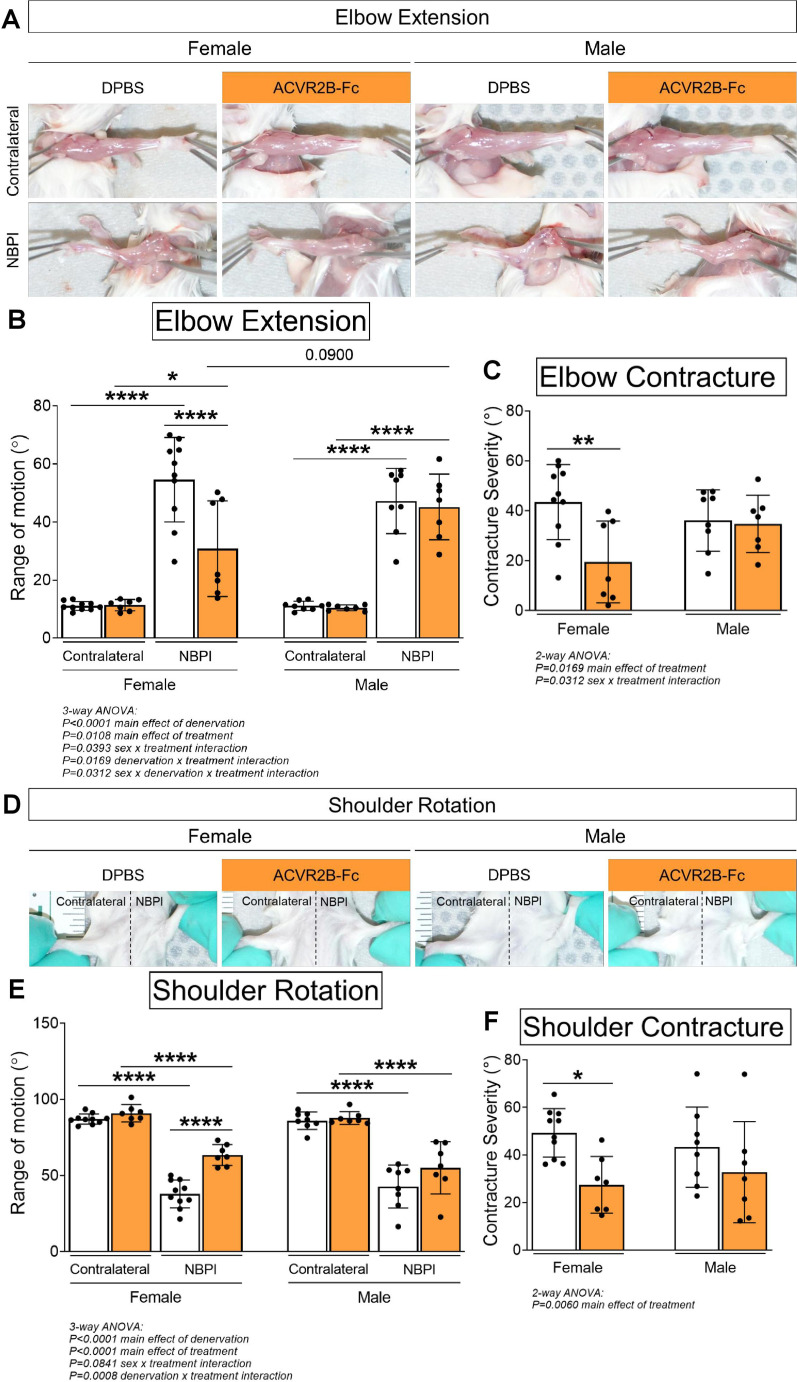
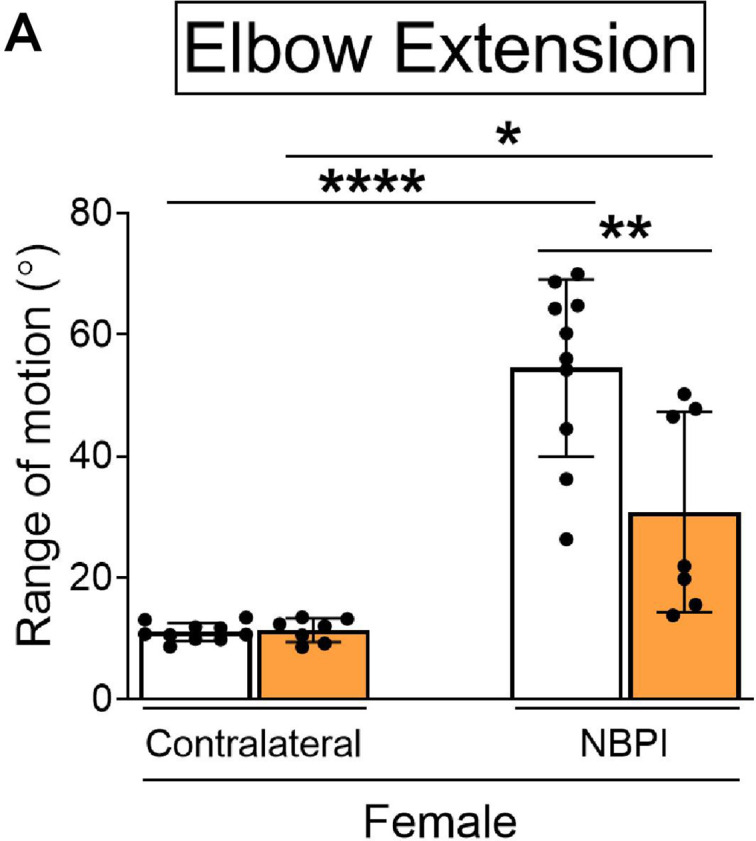
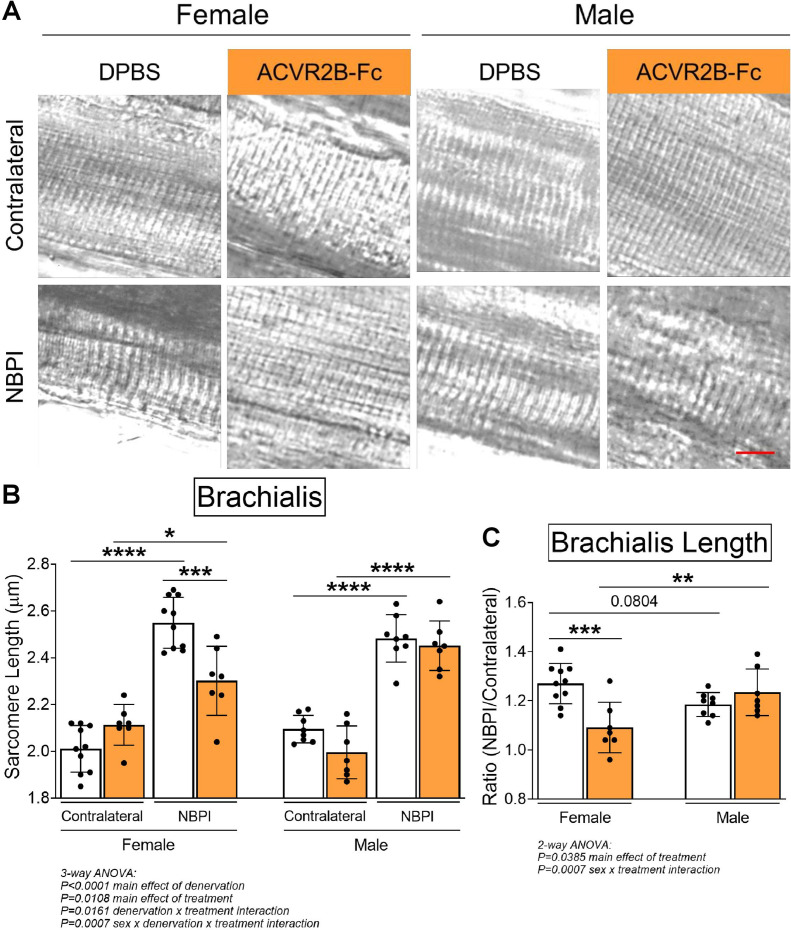
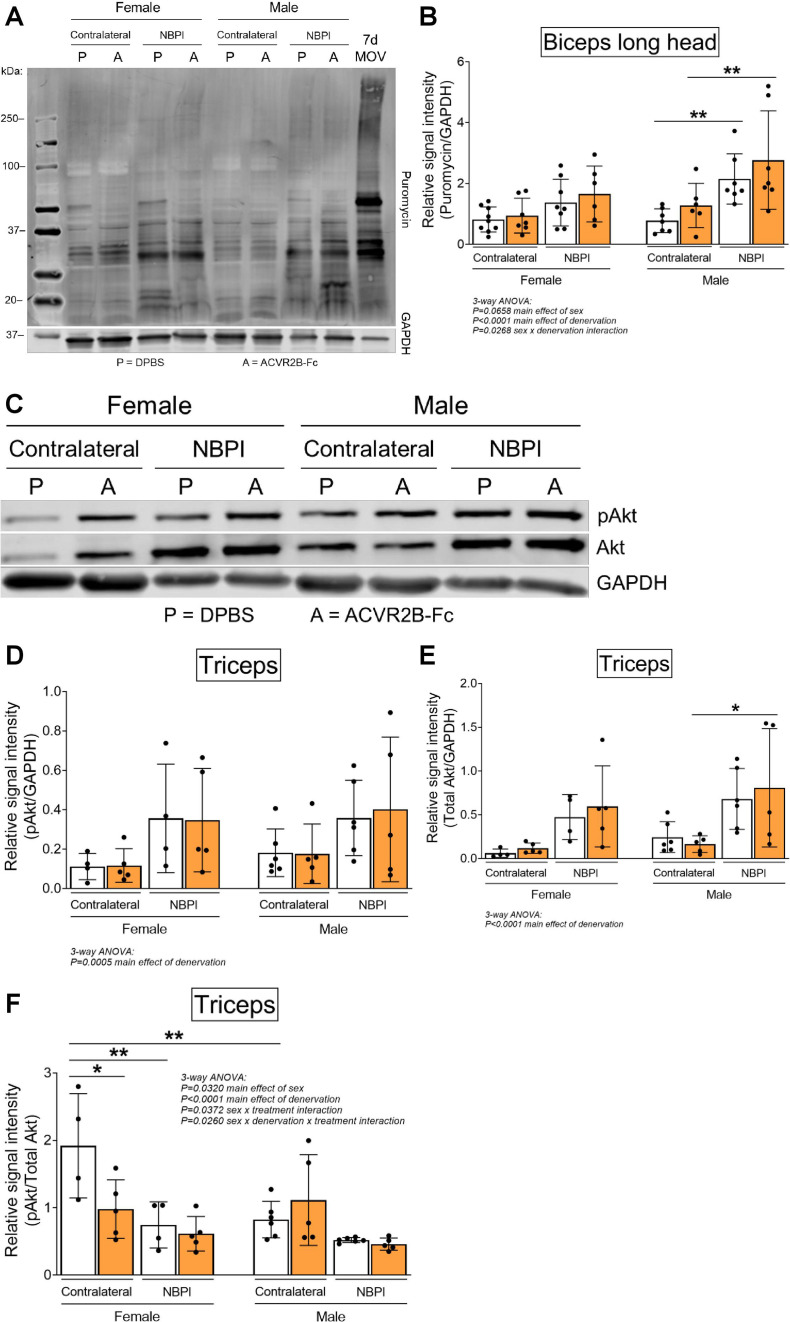
Neonatal brachial plexus injury (NBPI) causes disabling and incurable muscle contractures that result from impaired longitudinal growth of denervated muscles. This deficit in muscle growth is driven by increased proteasome-mediated protein degradation, suggesting a dysregulation of muscle proteostasis. The myostatin (MSTN) pathway, a prominent muscle-specific regulator of proteostasis, is a putative signaling mechanism by which neonatal denervation could impair longitudinal muscle growth, and thus a potential target to prevent NBPI-induced contractures. Through a mouse model of NBPI, our present study revealed that pharmacologic inhibition of MSTN signaling induces hypertrophy, restores longitudinal growth, and prevents contractures in denervated muscles of female but not male mice, despite inducing hypertrophy of normally innervated muscles in both sexes. Additionally, the MSTN-dependent impairment of longitudinal muscle growth after NBPI in female mice is associated with perturbation of 20S proteasome activity, but not through alterations in canonical MSTN signaling pathways. These findings reveal a sex dimorphism in the regulation of neonatal longitudinal muscle growth and contractures, thereby providing insights into contracture pathophysiology, identifying a potential muscle-specific therapeutic target for contracture prevention, and underscoring the importance of sex as a biological variable in the pathophysiology of neuromuscular disorders.
Keywords: developmental biology; mouse; muscle atrophy; muscle length; myostatin; neonatal denervation; neuromuscular contractures; sex dimorphisms.
© 2022, Emmert et al.
Conflict of interest statement
ME, PA, KS, QG, RC No competing interests declared, SL consulting fees from Biohaven Pharmaceuticals, Inc, and Alnylam Pharmaceuticals, Inc; payment/honoraria: Regeneron Pharmaceuticals, Inc; patent: "Therapeutics targeting transforming growth factor beta family signaling"
Figures
References
-
- Bodine SC, Stitt TN, Gonzalez M, Kline WO, Stover GL, Bauerlein R, Zlotchenko E, Scrimgeour A, Lawrence JC, Glass DJ, Yancopoulos GD. Akt/Mtor pathway is a crucial regulator of skeletal muscle hypertrophy and can prevent muscle atrophy in vivo. Nature Cell Biology. 2001;3:1014–1019. doi: 10.1038/ncb1101-1014. - DOI - PubMed
-
- Campbell C, McMillan HJ, Mah JK, Tarnopolsky M, Selby K, McClure T, Wilson DM, Sherman ML, Escolar D, Attie KM. Myostatin inhibitor ACE-031 treatment of ambulatory boys with Duchenne muscular dystrophy: results of a randomized, placebo-controlled clinical trial. Muscle & Nerve. 2017;55:458–464. doi: 10.1002/mus.25268. - DOI - PubMed
Publication types
MeSH terms
Substances
Grants and funding
LinkOut - more resources
Full Text Sources
Miscellaneous
