Review
. 2023 Apr;24(4):211-234.
doi: 10.1038/s41576-022-00539-9. Epub 2022 Oct 31.

Dynamic alternative DNA structures in biology and disease

Affiliations
Review

Dynamic alternative DNA structures in biology and disease

Guliang Wang et al. Nat Rev Genet. 2023 Apr.

Abstract

Repetitive elements in the human genome, once considered 'junk DNA', are now known to adopt more than a dozen alternative (that is, non-B) DNA structures, such as self-annealed hairpins, left-handed Z-DNA, three-stranded triplexes (H-DNA) or four-stranded guanine quadruplex structures (G4 DNA). These dynamic conformations can act as functional genomic elements involved in DNA replication and transcription, chromatin organization and genome stability. In addition, recent studies have revealed a role for these alternative structures in triggering error-generating DNA repair processes, thereby actively enabling genome plasticity. As a driving force for genetic variation, non-B DNA structures thus contribute to both disease aetiology and evolution.


Conflict of interest statement

Competing interests

The authors declare no competing interests.

Figures
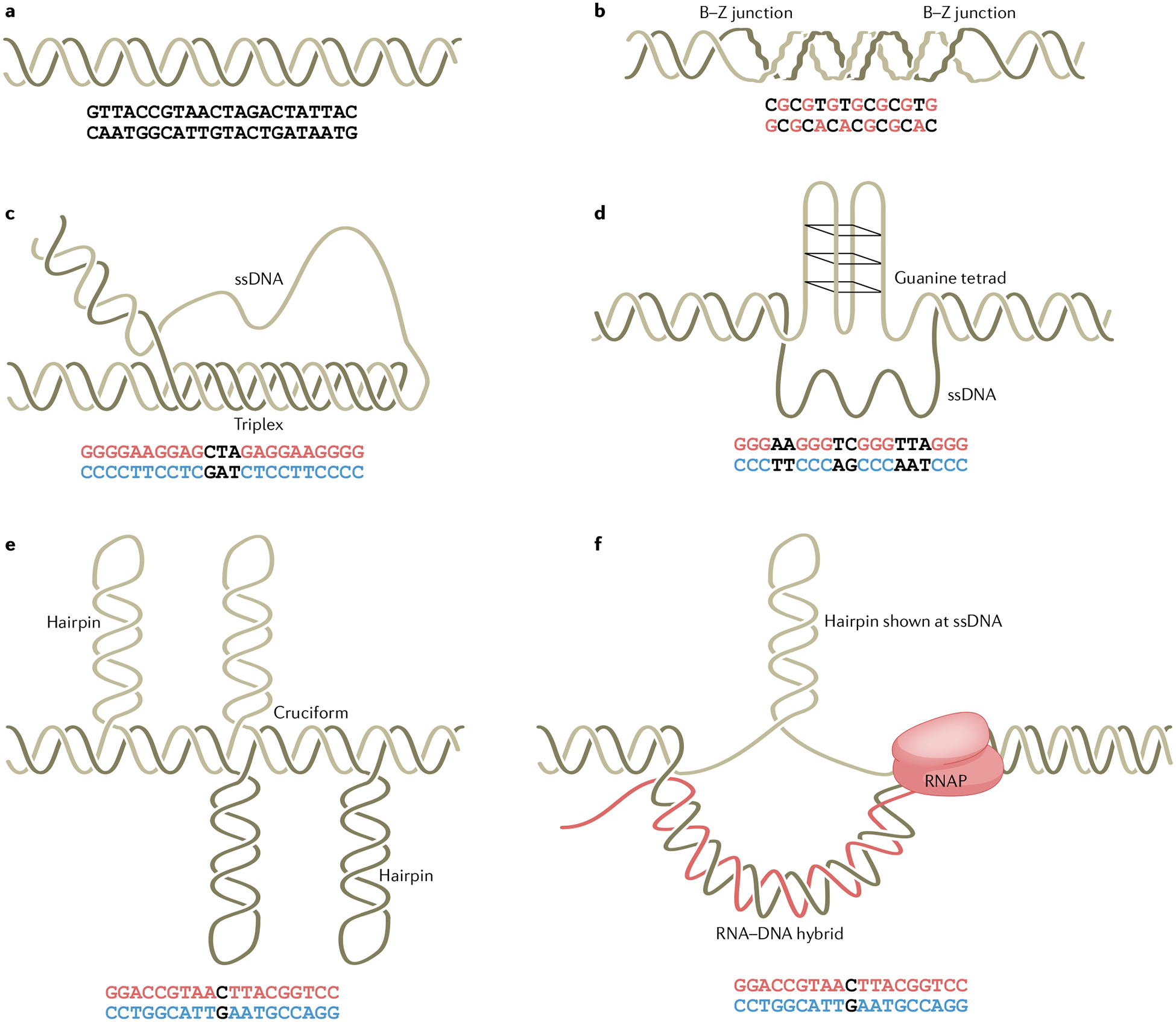
Fig. 1 |
Fig. 1 |. Schematic of non-B DNA structures.
a, Canonical B-form DNA. b, Z-DNA forms at alternating purine–pyrimidine sequences, where the syn-formation purines and anti-conformation pyrimidines twist the backbone into a zigzag shape. c, H-DNA forms at polypurine or polypyrimidine sequences that contain a mirror repeat, where half of the repeat in single-stranded form folds back into the major groove of the DNA duplex to form a triplex structure via Hoogsteen hydrogen bonding,. H-DNA can exist in various isomers depending on strand orientation and whether the purine-rich or pyrimidine-rich strand is used as the third strand. d, G quadruplexes form at sequences containing four runs of three or more guanines. Four guanine bases associate through Hoogsteen hydrogen bonding (guanine tetrad), and three continuous guanine tetrads stack to form a G quadruplex (G4 DNA),. e, Cruciform or hairpin structures form at inverted-repeat sequences,,, whereby two symmetrical arms self-anneal to form a duplex stem. f, R-loops contain a nascent RNA strand annealed to the DNA template strand, leaving the non-template strand unpaired, which can adopt a stable structure, such as a hairpin or G4 DNA. The red/blue letters in the sequences represent the bases involved in the non-B conformation. RNAP, RNA polymerase; ssDNA, single-stranded DNA.
Fig. 2 |
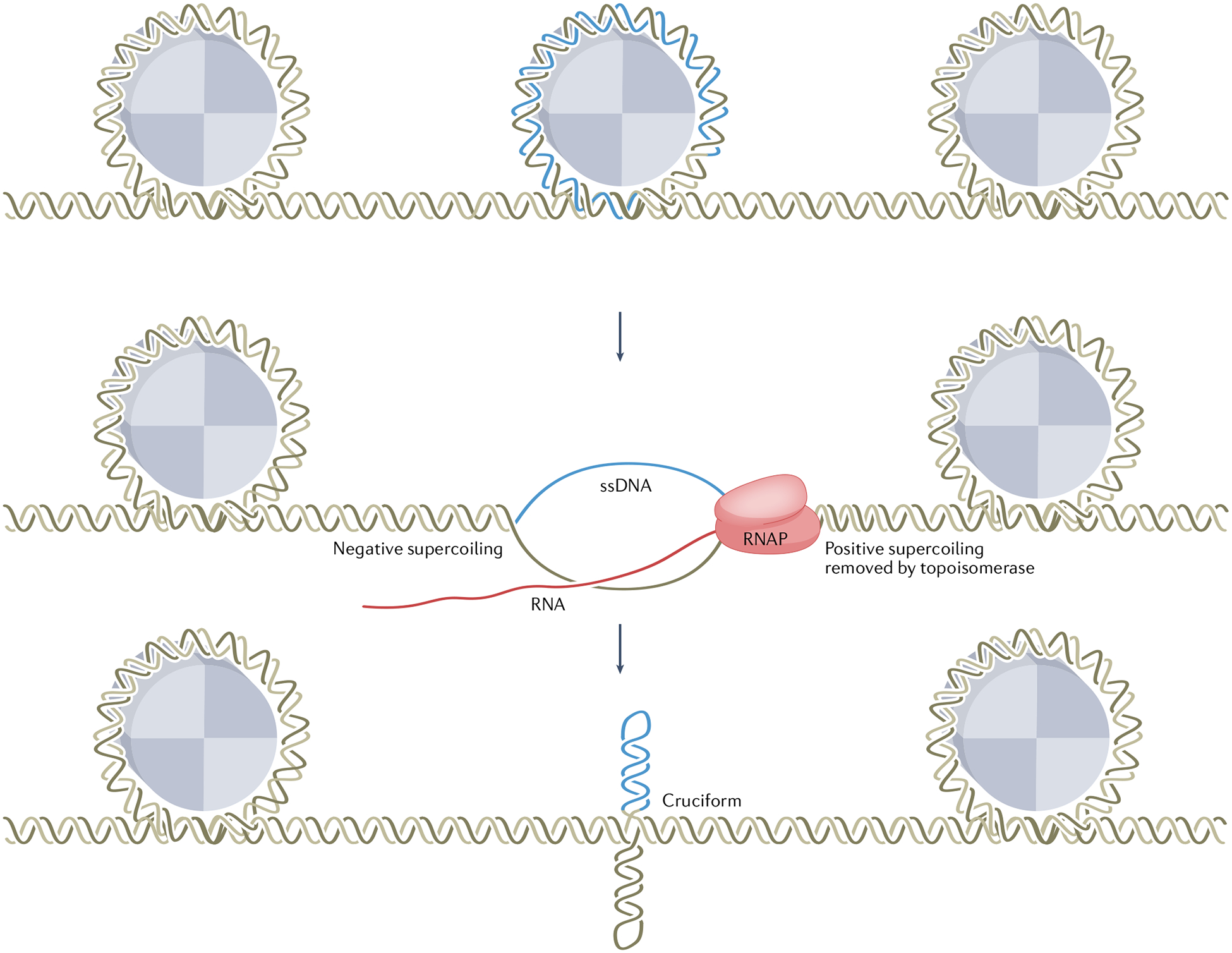
Fig. 2 |. Dynamic non-B DNA structure induced by transcription.
The inverted-repeat sequence (blue) is maintained in B-DNA form on histones and is unwrapped during transcription. The progressing transcription machinery unwinds DNA from the nucleosome structure and creates positive supercoiling in front (removed by topoisomerases) and negative supercoiling behind, which facilitates non-B DNA structure formation (shown in the schematic as a cruciform). RNAP, RNA polymerase; ssDNA, single-stranded DNA.
Fig. 3 |
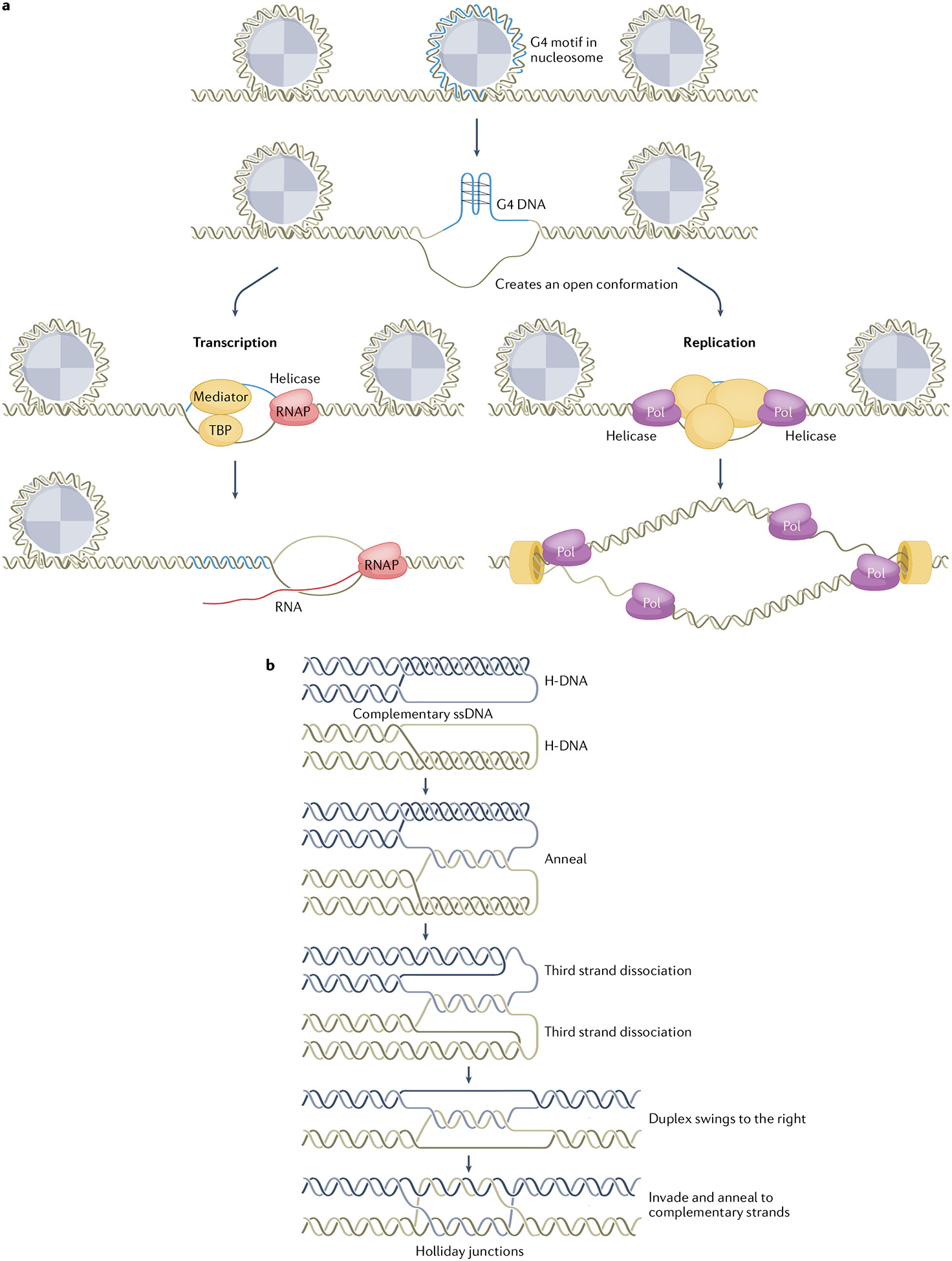
Fig. 3 |. Biological functions of non-B DNA.
a, Non-B DNA can facilitate the initiation of transcription and replication. Non-B DNA formation (shown in the schematic as G quadruplexes (G4 DNA)) unwinds DNA from nucleosomes and creates an open structure that facilitates the assembly of transcription (left) and replication (right) complexes. b, Non-B DNA can stimulate homologous recombination (HR). There are multiple pathways by which non-B DNA can directly or indirectly stimulate HR. Shown in the schematic is a unique structural alteration between two H-DNA isomers containing complementary single-stranded DNA (ssDNA) regions. With the presence of a nick on either strand or with the assistance of a topoisomerase, the two strands could wind around each other to form Watson–Crick base pairs. Owing to the dynamic nature of H-DNA in vivo, the third strand in both H-DNA structures could disassociate from the duplex and anneal to each other to form a double Holliday junction structure and thereby stimulate HR. RNAP, RNA polymerase; TBP, TATA-box-binding protein.
Fig. 4 |
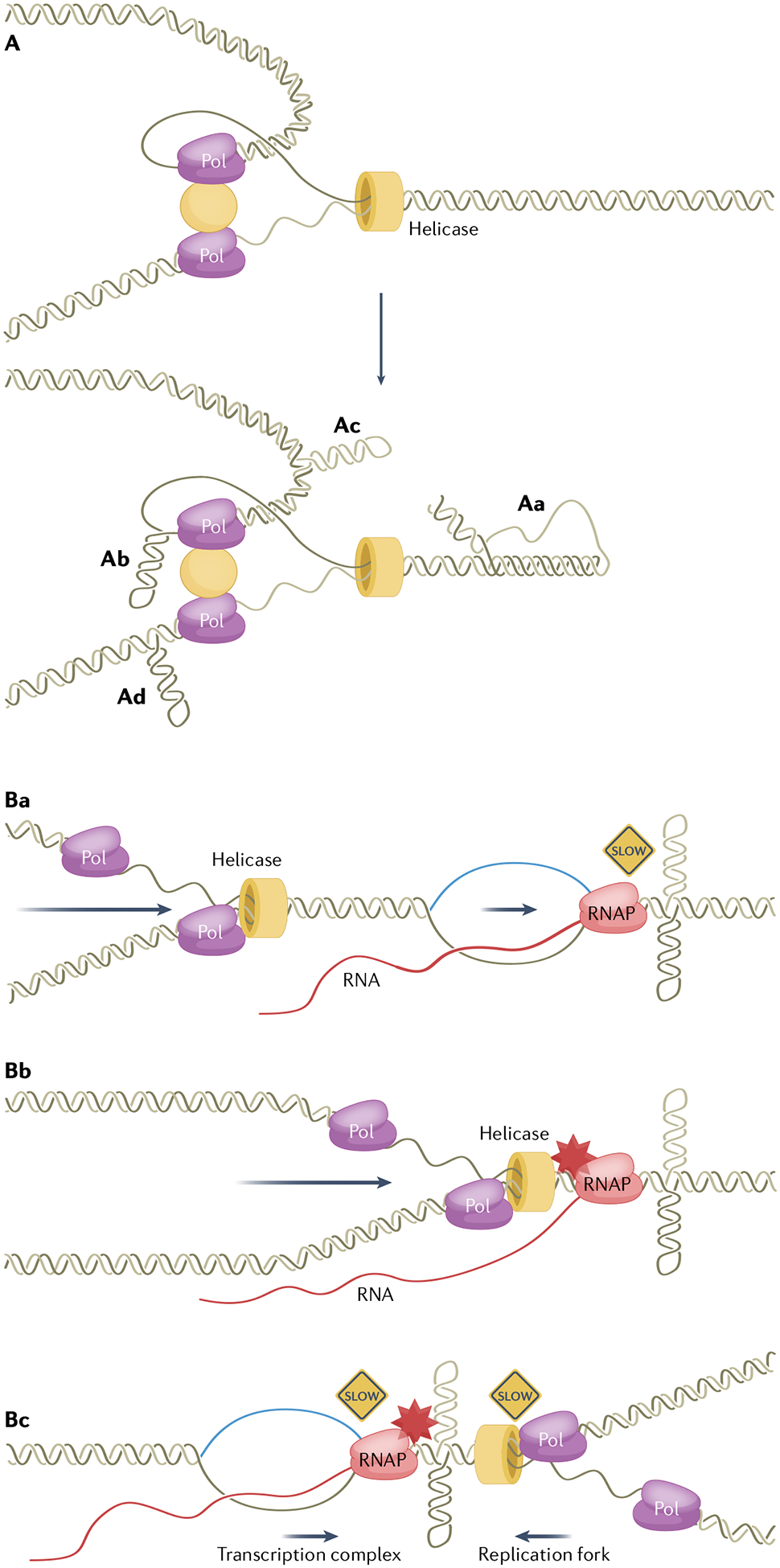
Fig. 4 |. Replication-associated genetic instability induced by non-B DNA.
A, Non-B DNA formed at a progressing replication fork. A progressing DNA replication fork is depicted on the top. Aa, A non-B DNA structure (shown in the schematic as H-DNA) in front of a replication fork slows or stalls replication, which gives rise to further structural alterations on the replication complex. Ab, A hairpin structure formed on the template of a lagging strand can lead to replication stalling or repeat contraction (repeat template skipping). Ac, Ad, Hairpin structures formed on the nascent strands on the leading and lagging strands can lead to repeat expansion (via nascent strand self-folding and misalignment). B, Non-B DNA-induced transcription and replication collisions. Ba, Transcription and replication forks in the same direction. Bb, Non-B DNA (shown as a cruciform structure) slows or stalls transcription elongation and leads to a co-directional collision. Bc, Non-B DNA slows or stalls replication or transcription and disrupts the coordination, leading to headon collisions. Collisions in either direction can lead to replication stress and genetic instability. RNAP, RNA polymerase; Pol, DNA polymerase.
Fig. 5 |
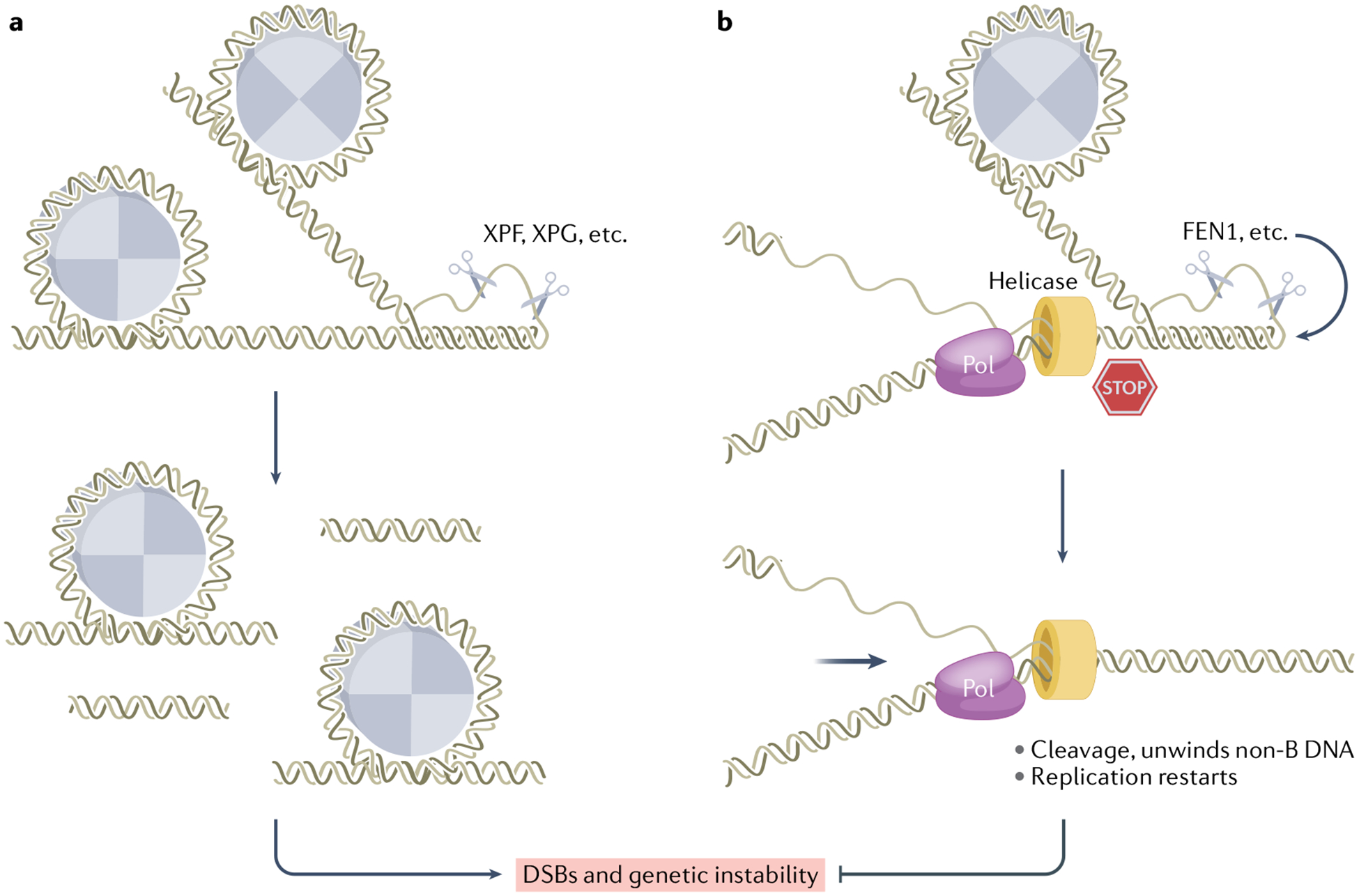
Fig. 5 |. Structure-specific cleavage modulates non-B DNA structure-induced genetic instability.
a, Structure-specific cleavage of non-B DNA leads to genetic instability. A non-B DNA structure (shown in the schematic as H-DNA) causes helical distortions and creates an open structure for recruiting DNA repair nucleases. DNA structure-specific cleavage generates breaks within or surrounding the non-B DNA structure, followed by error-free or error-generating repair. This ‘structure forming–repair’ cycle can occur repeatedly until a mutation interrupts the formation of non-B DNA or a deletion removes the non-B DNA-forming sequence. b, A non-B DNA structure (shown in the schematic as H-DNA) is formed in front of a progressing replication fork and stalls DNA replication, increasing the chance for fork collapse and double-strand break (DSB) formation. Structure-specific cleavage of the non-B DNA structure creates a nick or DSB, which unwinds the non-B DNA conformation and reduces structure-induced genetic instability by allowing continuous replication.

References

    1. Nurk S et al. The complete sequence of a human genome. Science 376, 44–53 (2022). - PMC - PubMed
    2. The most recent and compete human genome sequencing assembly reveals more repetitive elements in the human genome than researchers have previously estimated, which could potentially support non-B DNA formation.

    1. Plohl M, Luchetti A, Mestrovic N & Mantovani B Satellite DNAs between selfishness and functionality: structure, genomics and evolution of tandem repeats in centromeric (hetero)chromatin. Gene 409, 72–82 (2008). - PubMed
    1. Thakur J, Packiaraj J & Henikoff S Sequence, chromatin and evolution of satellite DNA. Int. J. Mol. Sci 22, 4309 (2021). - PMC - PubMed
    1. Herbert A ALU non-B-DNA conformations, flipons, binary codes and evolution. R. Soc. Open. Sci 7, 200222 (2020). - PMC - PubMed
    1. Kasinathan S & Henikoff S Non-B-form DNA is enriched at centromeres. Mol. Biol. Evol 35, 949–962 (2018). - PMC - PubMed

Publication types