


A review of user needs to drive the development of lower limb prostheses
- PMID: 36335345
- PMCID: PMC9636812
- DOI: 10.1186/s12984-022-01097-1
A review of user needs to drive the development of lower limb prostheses
Abstract
Background: The development of bionic legs has seen substantial improvements in the past years but people with lower-limb amputation still suffer from impairments in mobility (e.g., altered balance and gait control) due to significant limitations of the contemporary prostheses. Approaching the problem from a human-centered perspective by focusing on user-specific needs can allow identifying critical improvements that can increase the quality of life. While there are several reviews of user needs regarding upper limb prostheses, a comprehensive summary of such needs for those affected by lower limb loss does not exist.
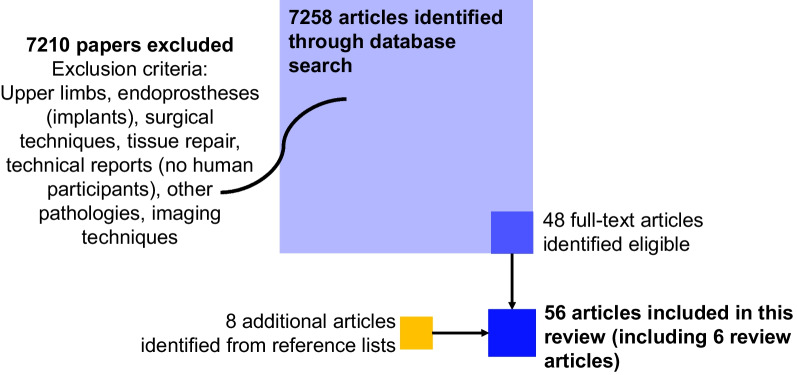
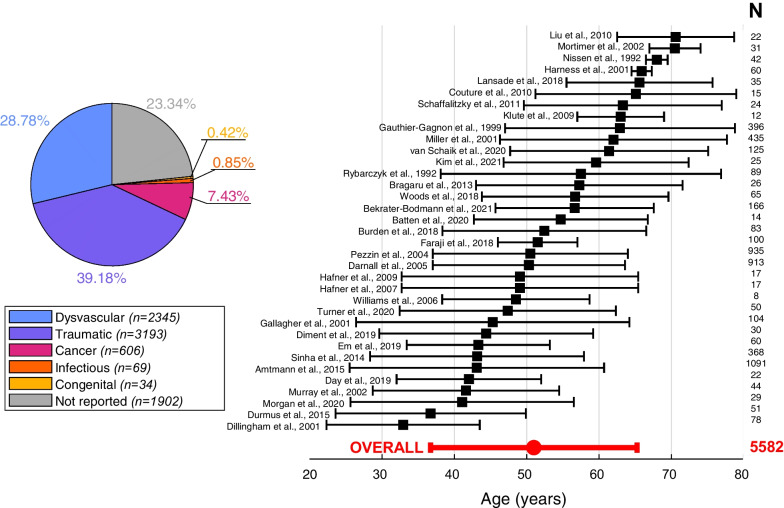
Methods: We have conducted a systematic review of the literature to extract important needs of the users of lower-limb prostheses. The review included 56 articles in which a need (desire, wish) was reported explicitly by the recruited people with lower limb amputation (N = 8149).
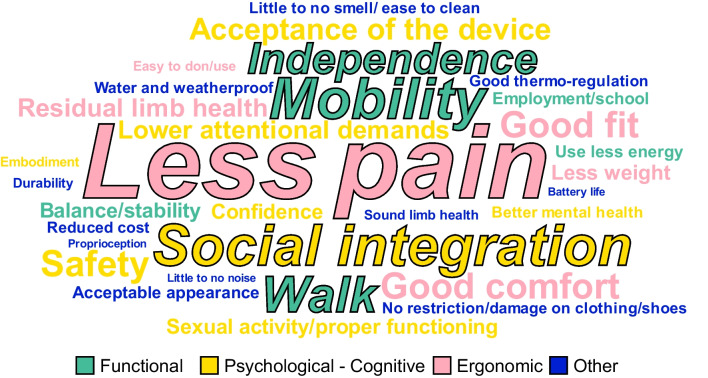
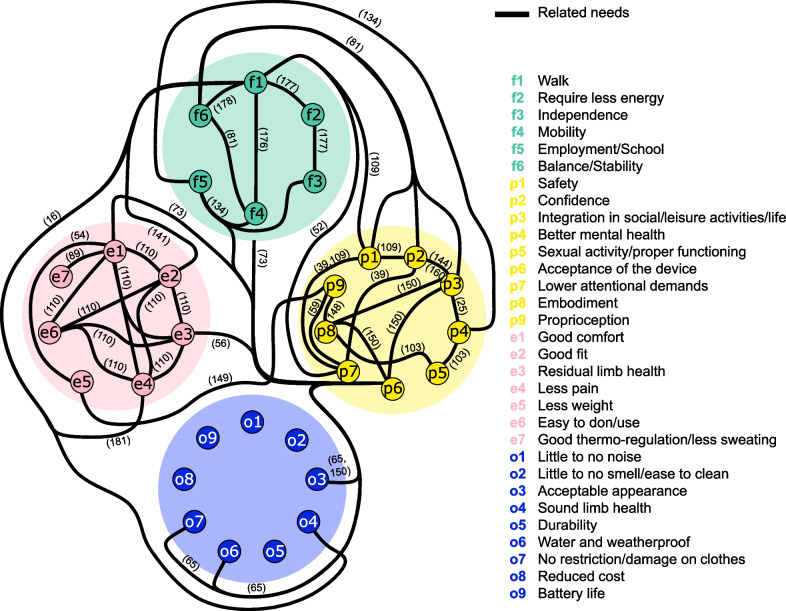
Results: An exhaustive list of user needs was collected and subdivided into functional, psychological, cognitive, ergonomics, and other domain. Where appropriate, we have also briefly discussed the developments in prosthetic devices that are related to or could have an impact on those needs. In summary, the users would like to lead an independent life and reintegrate into society by coming back to work and participating in social and leisure activities. Efficient, versatile, and stable gait, but also support to other activities (e.g., sit to stand), contribute to safety and confidence, while appearance and comfort are important for the body image. However, the relation between specific needs, objective measures of performance, and overall satisfaction and quality of life is still an open question.
Conclusions: Identifying user needs is a critical step for the development of new generation lower limb prostheses that aim to improve the quality of life of their users. However, this is not a simple task, as the needs interact with each other and depend on multiple factors (e.g., mobility level, age, gender), while evolving in time with the use of the device. Hence, novel assessment methods are required that can evaluate the impact of the system from a holistic perspective, capturing objective outcomes but also overall user experience and satisfaction in the relevant environment (daily life).
Keywords: Lower limb prosthetics; Prosthesis requirements; User needs; User-centered design.
© 2022. The Author(s).
Conflict of interest statement
SD is an associate editor of the Journal of Neuroengineering and Rehabilitation. JGV and SM are currently employed by Ottobock SE & Co. KGaA.
Figures

References
-
- Murray CD, Fox J. Body image and prosthesis satisfaction in the lower limb amputee. Disabil Rehabil. 2002;24(17):925–931. - PubMed
-
- Winter DA, Sienko SE. Biomechanics of below-knee. J Biomech. 1988;21(5):361–367. - PubMed
-
- Jordan RW, Marks A, Higman D. The cost of major lower limb amputation: a 12-year experience. Prosthet Orthot Int. 2012;36(4):430–434. - PubMed
-
- Isakov E, Mizrahi J, Ring H, Susak Z, Hakim N. Standing sway and weight-bearing distribution in people with below-knee amputations. Arch Phys Med Rehabil. 1992;73(2):174–178. - PubMed
-
- Isakov E, Mizrahi J, Susak Z, Ona I, Hakim N. Influence of prosthesis alignment on the standing balance of below-knee amputees. Clin Biomech. 1994;9(4):258–262. - PubMed
Publication types
MeSH terms
LinkOut - more resources
Full Text Sources
Medical
Miscellaneous
