


Small tissue chips with big opportunities for space medicine
- PMID: 36336360
- PMCID: PMC11016463
- DOI: 10.1016/j.lssr.2022.09.002
Small tissue chips with big opportunities for space medicine
Abstract
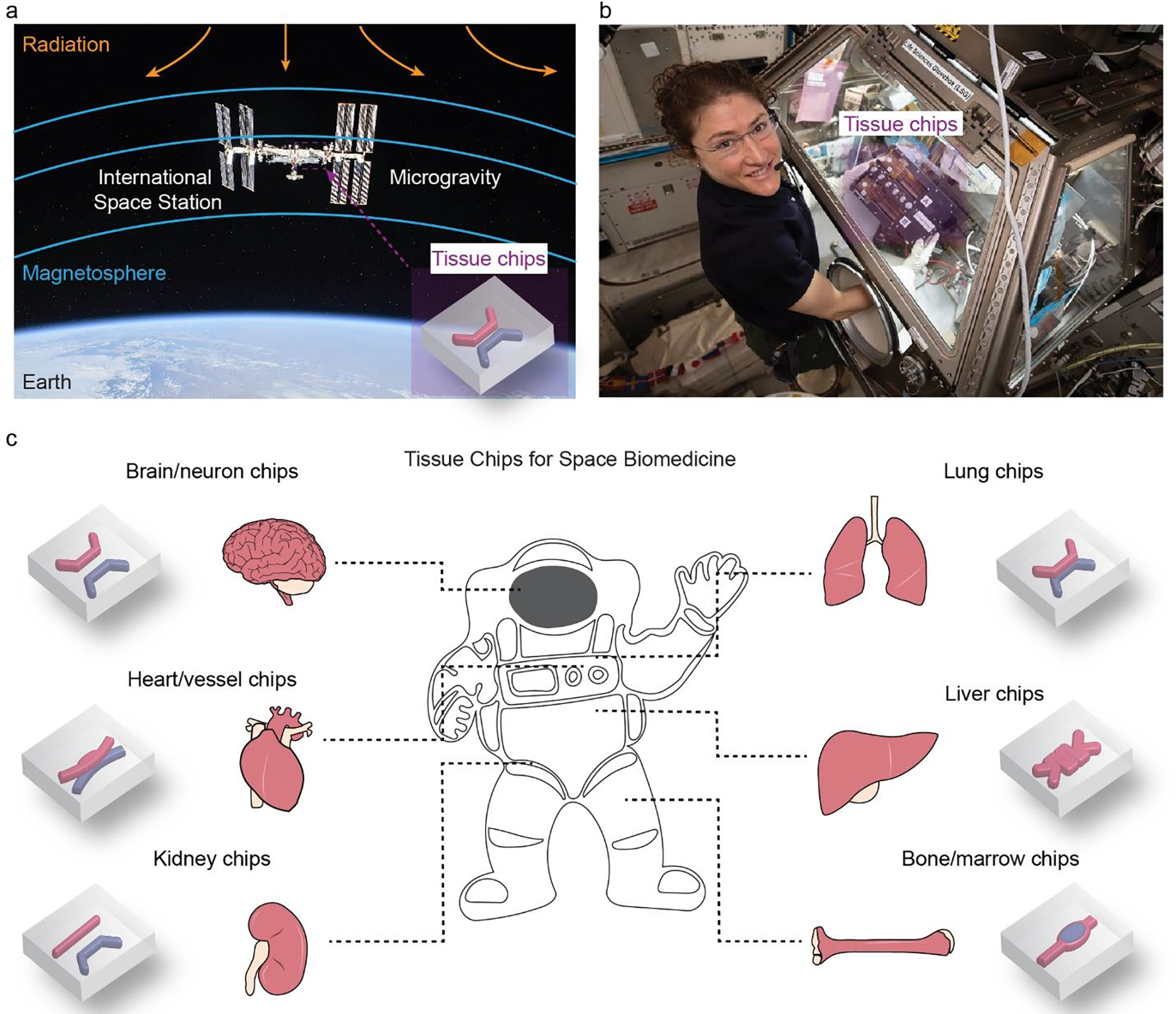
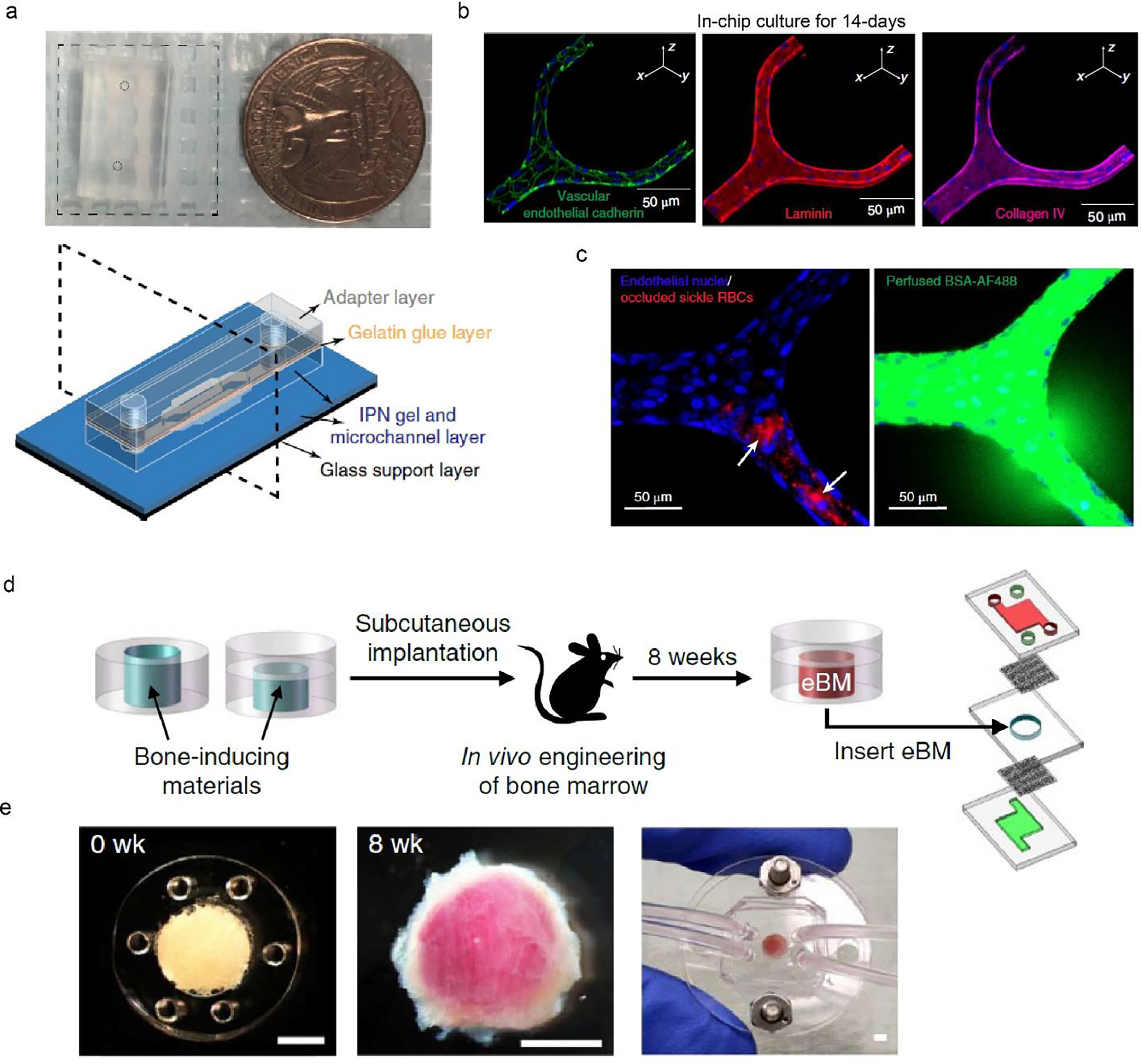
The spaceflight environment, including microgravity and radiation, may have considerable effects on the health and performance of astronauts, especially for long-duration and Martian missions. Conventional on-ground and in-space experimental approaches have been employed to investigate the comprehensive biological effects of the spaceflight environment. As a class of recently emerging bioengineered in vitro models, tissue chips are characterized by a small footprint, potential automation, and the recapitulation of tissue-level physiology, thus promising to help provide molecular and cellular insights into space medicine. Here, we briefly review the technical advantages of tissue chips and discuss specific on-chip physiological recapitulations. Several tissue chips have been launched into space, and more are poised to come through multi-agency collaborations, implying an increasingly important role of tissue chips in space medicine.
Keywords: Drug development; Microfluidics; Microgravity; Radiation; Spaceflight.
Copyright © 2022. Published by Elsevier B.V.
Conflict of interest statement
Declaration of Competing Interest YSZ sits on Scientific Advisory Board of 3D Systems and Xellar, which however, did not support or bias this work. The other authors declare no competing interest.
Figures
References
-
- Aleshcheva G, Bauer J, Hemmersbach R, Slumstrup L, Wehland M, Infanger M, Grimm D (2016) Scaffold-free tissue formation under real and simulated microgravity conditions. Basic & clinical pharmacology & toxicology 119:26–33 - PubMed
MeSH terms
Grants and funding
LinkOut - more resources
Full Text Sources
Research Materials
