


Antifungal activity of Taurolidine against Mucorales: An in vitro study on clinical isolates
- PMID: 36340433
- PMCID: PMC9548082
- DOI: 10.18502/cmm.8.1.9211
Antifungal activity of Taurolidine against Mucorales: An in vitro study on clinical isolates
Abstract
Background and purpose: Taurolidine is active against a wide variety of micro-organisms, including bacteria and fungi. Mucormycosis is one of the life-threatening opportunistic fungal infections, especially in immunocompromised patients. Currently, the emergence of Mucormycosis during the COVID-19 pandemic raises public health concerns regarding untoward morbidity and mortality among SARS-CoV-2 patients. It is well-known that delayed and inappropriate antifungal therapy leads to increased morbidity and mortality. This study aimed to investigate the in-vitro antifungal activity of taurolidine to evaluate its effects against clinical isolates of Mucorales.
Materials and methods: This study included previously collected clinical Mucorales isolates. The minimum in vitro inhibitory concentration (MIC) of amphotericin B, caspofungin, voriconazole, posaconazole, and itraconazole was determined using the broth microdilution method.
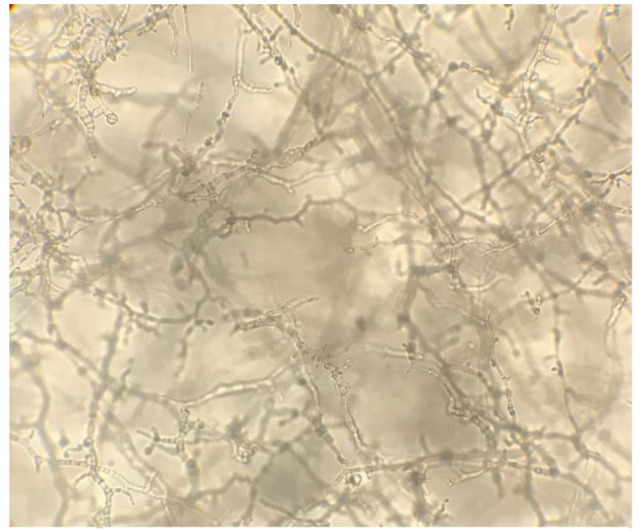
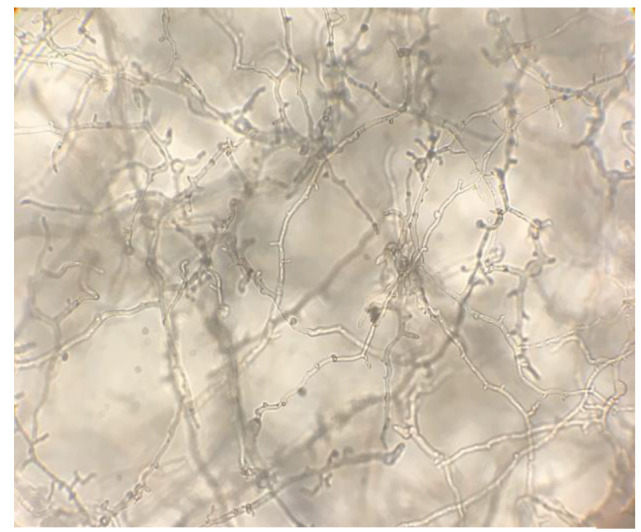
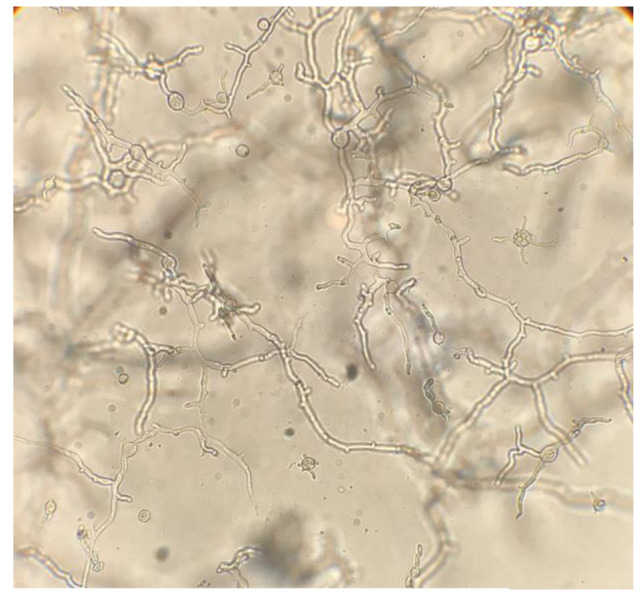
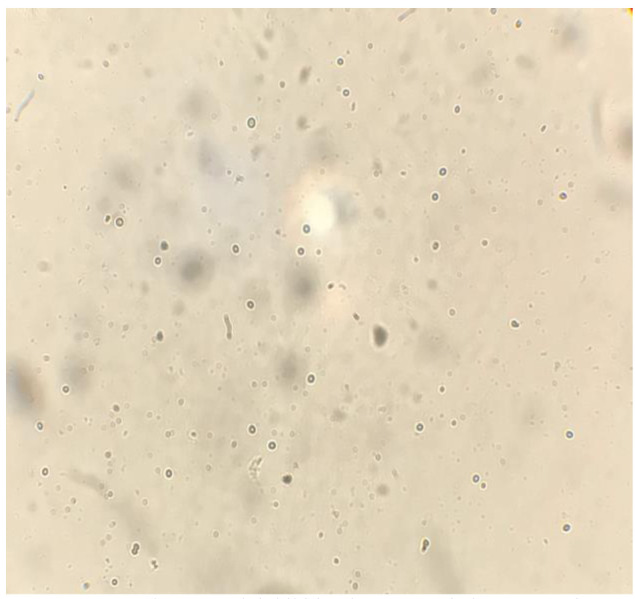
Results: All clinical isolates showed full sensitivity to amphotericin B. Posaconazole MIC range from 8 μg/mL to 0.032 μg/mL. The MIC range of voriconazole and caspofungin were determined to be 2-8 µg/mL and 0.5-16 µg/mL, respectively. Growth of the isolates was entirely inhibited in 1000 µg/mL concentration of taurolidine. In microscopic observations, morphological effects on hyphal growth were observed at 500 µg/mL concentration.
Conclusion: In conclusion, this is an updated experience of using taurolidine against Mucorales. However, our in-vitro findings need to be confirmed in well-designed clinical trials aimed at treating invasive Mucormycosis infections.
Keywords: Minimum inhibitory concentrations; Mucormycosis; Taurolidine; Mucorales.
Copyright: © 2021, Published by Mazandaran University of Medical Sciences on behalf of Iranian Society of Medical Mycology and Invasive Fungi Research Center.
Conflict of interest statement
The authors declare that they have no known competing financial interests or personal relationships that could have influenced the work reported in any way.
Figures
References
-
- Browne MK. Pharmacological and clinical studies on Taurolin. a new concept in antimicrobial chemotherapy for surgical infection. United States: Urban & Schwarzenberg; 1985.
-
- Gorman SP, McCafferty DF, Woolfson AD, Jones DS. Reduced adherence of micro‐organisms to human mucosal epithelial cells following treatment with Taurolin, a novel antimicrobial agent. J Appl Bacteriol. 1987; 62(4):315–20. - PubMed
-
- Gorman SP, McCafferty DF, Woolfson AD, Jones DS. Electron and light microscopic observations of bacterial cell surface effects due to taurolidine treatment. Lett Appl Microbio. 1987; 4(5):103–9.
-
- Handrup MM, Moller JK, Schroder H. Central venous catheters and catheter locks in children with cancer: a prospective randomized trial of taurolidine versus heparin. Pediatr Blood Cancer. 2013; 60(8):1292–8. - PubMed
LinkOut - more resources
Full Text Sources
Miscellaneous