


Application of Metabolomics in Childhood Leukemia Diagnostics
- PMID: 36342560
- PMCID: PMC9640447
- DOI: 10.1007/s00005-022-00665-6
Application of Metabolomics in Childhood Leukemia Diagnostics
Abstract
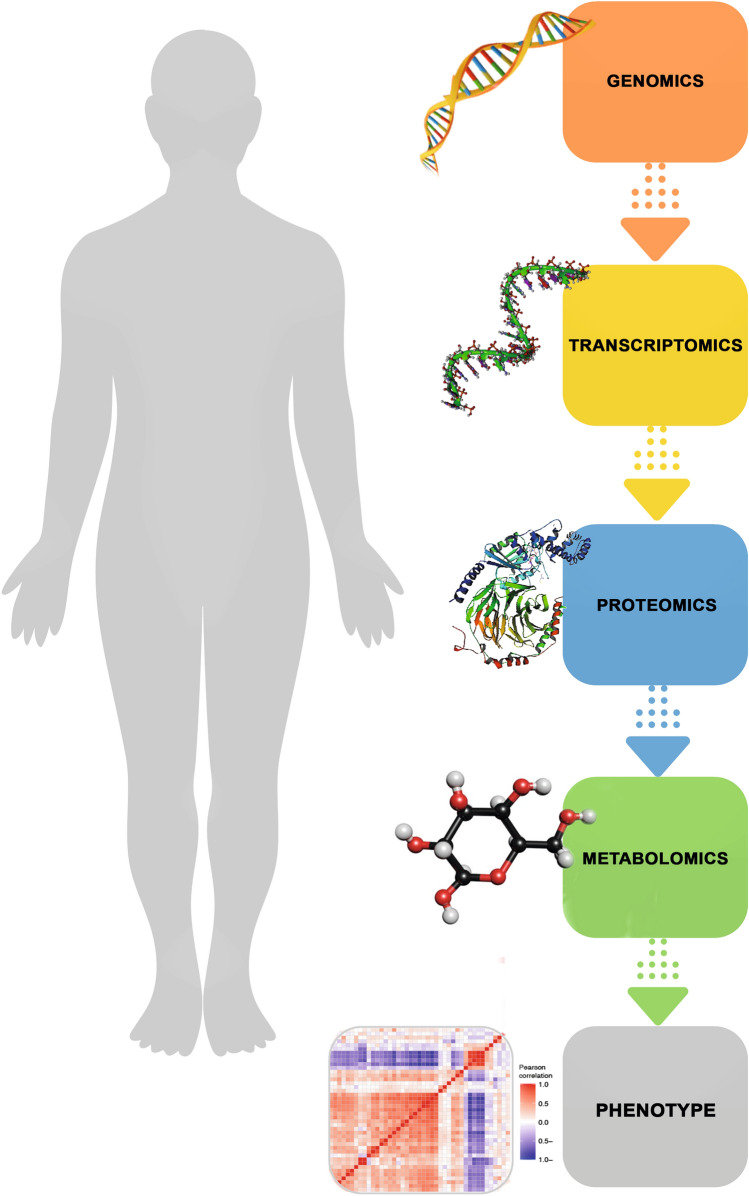
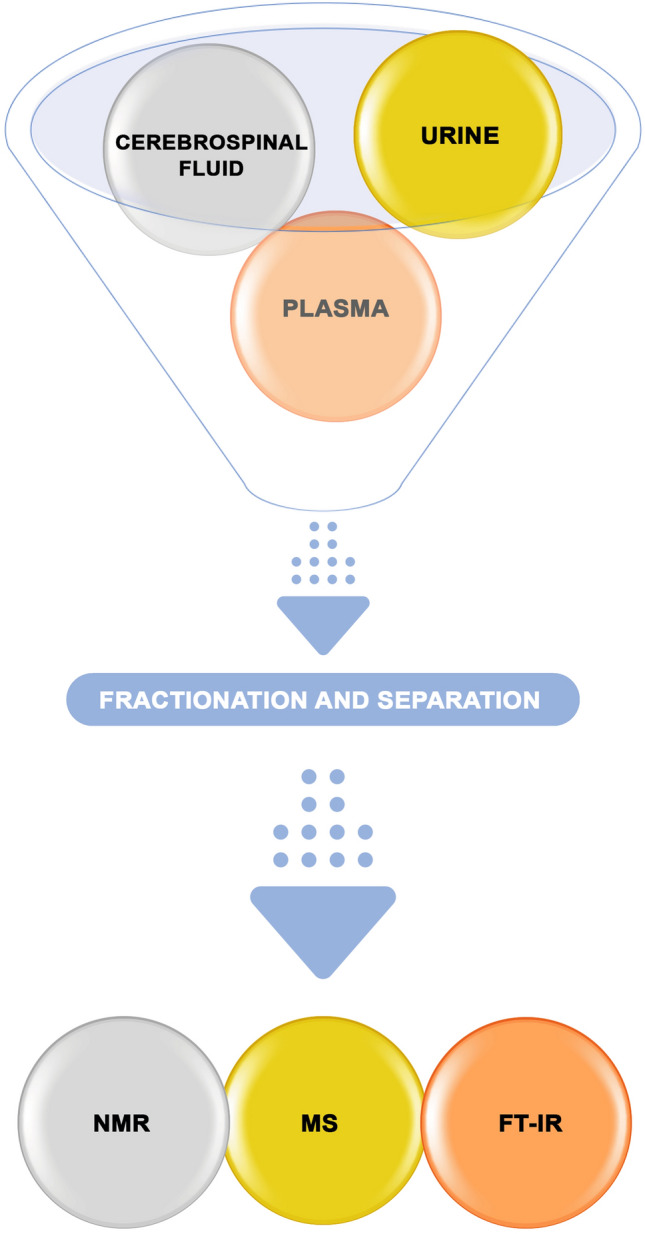
Metabolomics is a new field of science dealing with the study and analysis of metabolites formed in living cells. The biological fluids used in this test method are: blood, blood plasma, serum, cerebrospinal fluid, saliva and urine. The most popular methods of assessing the composition of metabolites include nuclear magnetic resonance spectroscopy and mass spectrometry (MS) in combination with gas chromatography-MS or liquid chromatography-MS. Metabolomics is used in many areas of medicine. The variability of biochemical processes in neoplastic cells in relation to healthy cells is the starting point for this type of research. The aim of the research currently being carried out is primarily to find biomarkers for quick diagnosis of the disease, assessment of its advancement and treatment effectiveness. The development of metabolomics may also contribute to the individualization of treatment of patients, adjusting drugs depending on the metabolic profile, and thus may improve the effectiveness of therapy, reduce side effects and help to improve the quality of life of patients. Here, we review the current and potential applications of metabolomics, focusing on its use as a biomarker method for childhood leukemia.
Keywords: Cancer; Childhood leukemia; FT-IR; Mass spectrometry; Metabolomics; Nuclear magnetic resonance.
© 2022. The Author(s).
Conflict of interest statement
The authors declare that they have no known competing financial interests or personal relationships that could have appeared to influence the work reported in this paper.
Figures

References
Publication types
MeSH terms
Substances
LinkOut - more resources
Full Text Sources
Medical
