


The severity of moral distress in nurses: a systematic review and meta-analysis
- PMID: 36348378
- PMCID: PMC9644548
- DOI: 10.1186/s13010-022-00126-0
The severity of moral distress in nurses: a systematic review and meta-analysis
Abstract
Background: Moral distress is one of the most important problems that nurses face in their care of patients. Various studies have reported the frequency and severity of moral distress in nurses. However, to date, a comprehensive study that shows the results of these research across the world was not found, therefore due to the importance of this issue, its role in the health of nurses and patients, and the lack of general statistics about it worldwide, the present study was conducted to determine the frequency and severity of moral distress in nurses through a systematic review and meta-analysis.
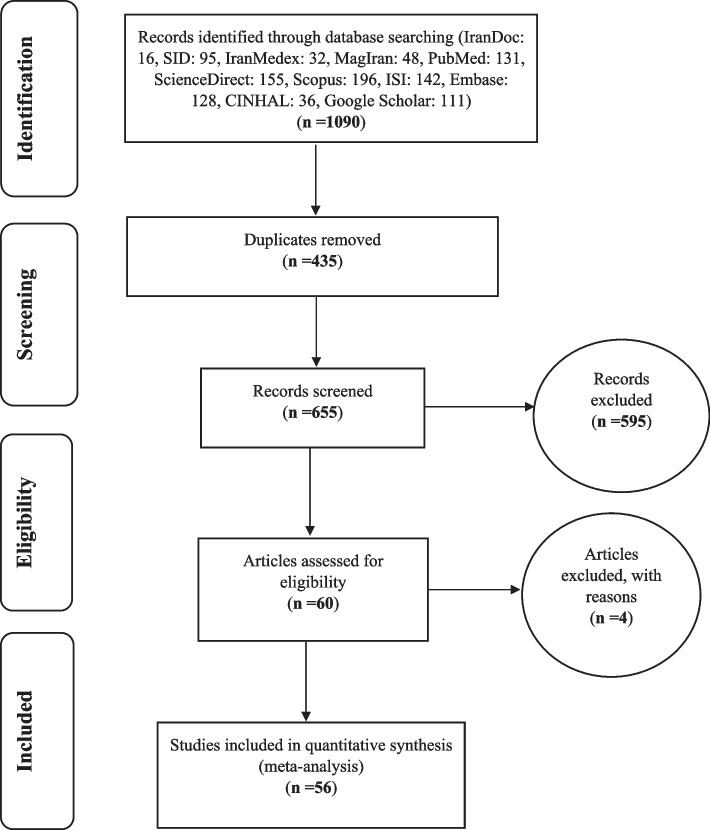
Methods: In this review study, searching national and international databases of SID, MagIran, IranMedex, IranDoc, Google Scholar, Embase, ScienceDirect, Scopus, CINHAL, PubMed, and Web of Science (WoS) between 2005 and February 2020 were extracted. The random-effects model was used for analysis, and the heterogeneity of studies with the I2 index was investigated. Data were analyzed using Comprehensive Meta-Analysis (Version 2).
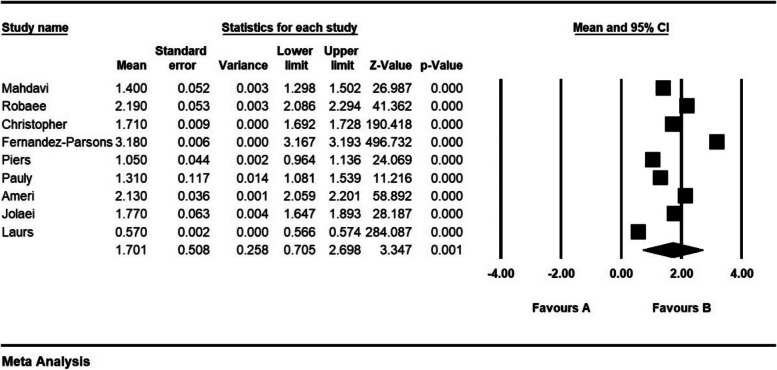
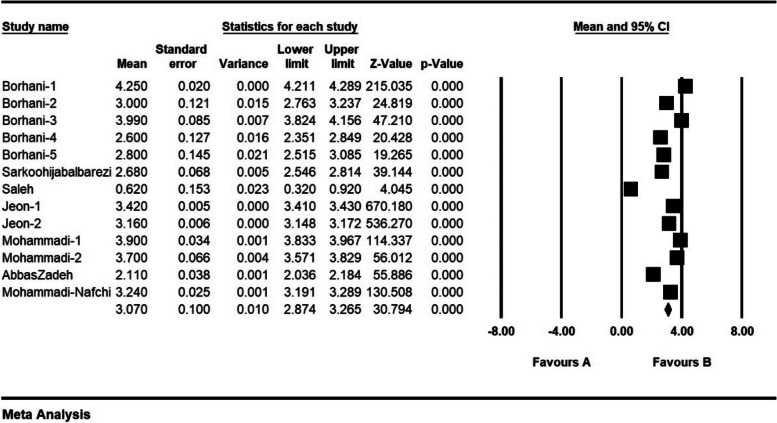
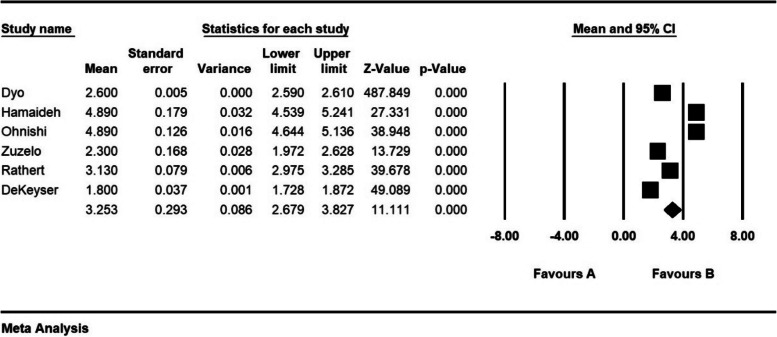
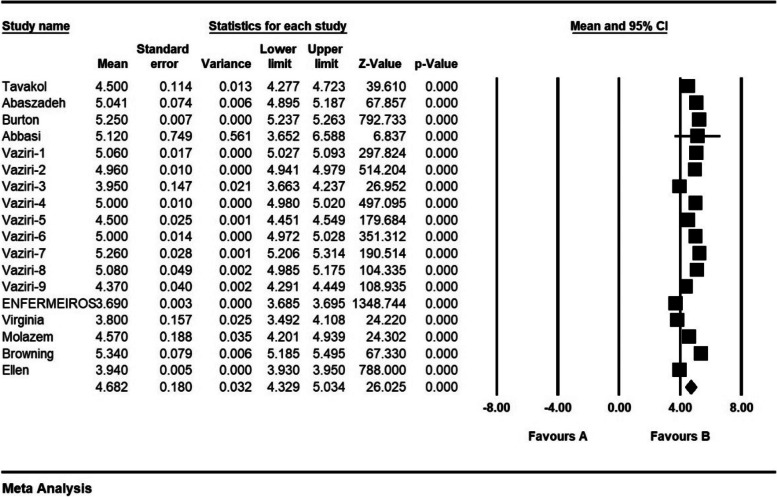
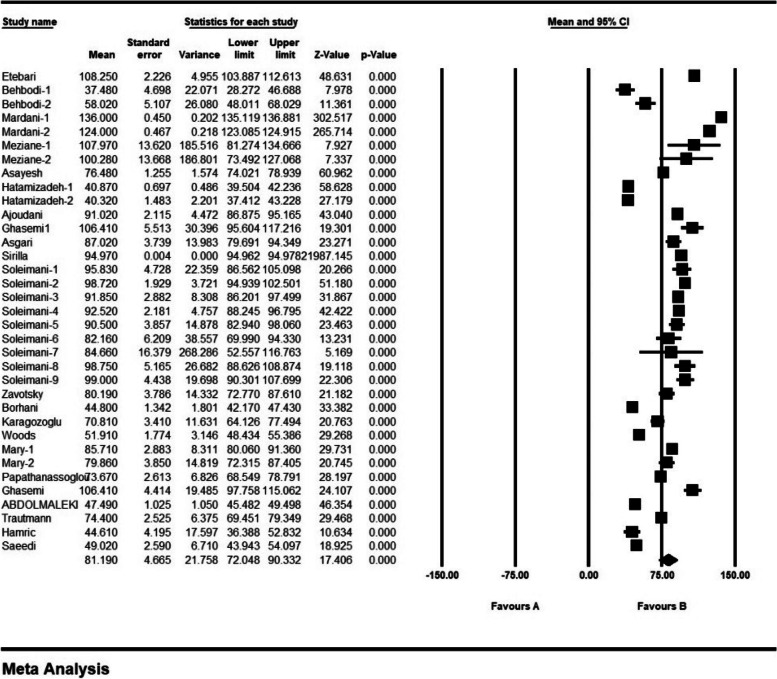
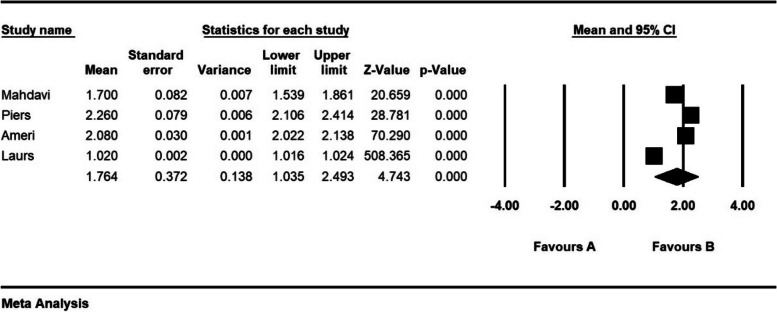
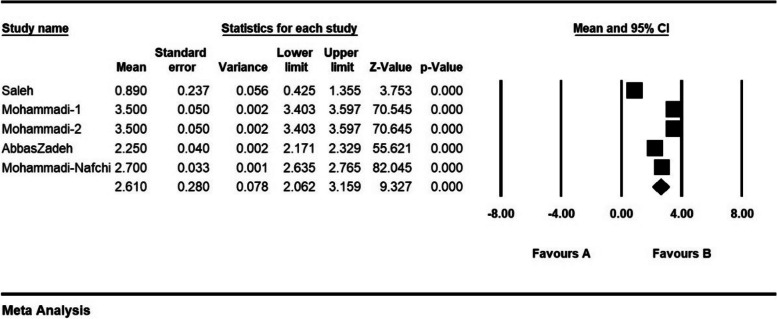
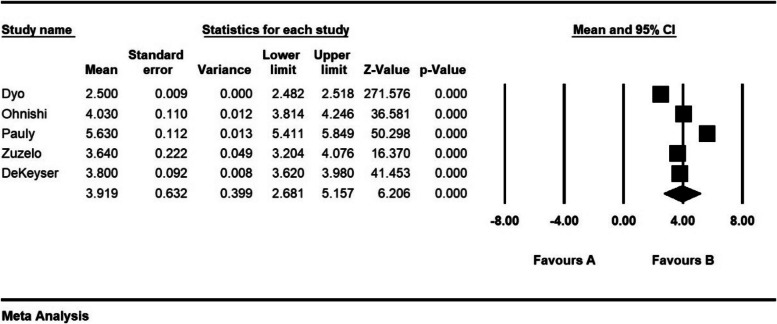
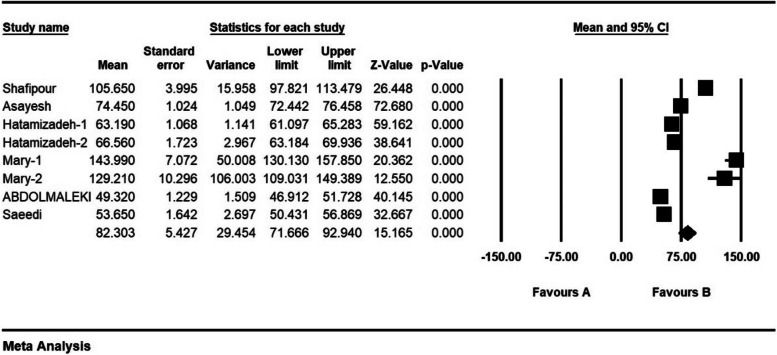
Results: The frequency of moral distress in 9 articles with a sample size of 1576 persons was 1.7 ± 0.5 from (0-4), in 13 articles with a sample size of 1870 persons, 3.07 ± 0.1 from (0-5), in 6 articles with a sample size of 1316 persons, 3.2 ± 0.29 from (0-6), in 18 articles with a sample size of 1959 persons, 4.6 ± 0.518 from (1-7) and in 35 articles with a sample size of 3718 persons, 81.1 ± 4.6 from (216-30), and the severity of moral distress in 4 articles with a sample size of 1116 persons, 1.7 ± 0.37 from (0-4), in 5 articles with a sample size of 1282 persons, 2.6 ± 0.28 from (0-5), in 5 articles with a sample size of 944 persons, 3.9 ± 0.63 from (0-6) and in 8 articles with a sample size of 901 persons was 82.3 ± 5.4 (0-216).
Conclusion: The results of this study showed that the frequency and severity of moral distress in nurses are high and are a serious problem in nurses. Therefore, policymakers in this field should consider its role in the health of nurses and patients.
Keywords: Frequency; Meta-analysis; Moral distress; Nurses; Severity.
© 2022. The Author(s).
Conflict of interest statement
The authors declare that they have no conflict of interest.
Figures
References
-
- Gallagher A. Moral distress and moral courage in everyday nursing practice. OJIN. 2010;16(2). - PubMed
-
- Shakerinia I. Relationship between moral distress, psychological hardiness and occupational burnout in the nursing. Iranian J Med Ethics Hist Med. 2010;4:56–69.
-
- Kalantari S, Abbaszadeh A, Borhani F. The relationship between moral distress and job satisfaction of nurses in health centers in bam, 2012. [MA dissertation] Bam: Kerman Univ Med Sci, Bam Int Unit; 2012.
-
- Austin W, Rankel M, Kagan L, Bergum V, Lemermeyer G. To stay or to go, to speak or stay silent, to act or not to act: moral distress as experienced by psychologists. Ethics Behav. 2005;15(3):197–212. - PubMed
-
- Rice EM, Rady MY, Hamrick A, Verheijde JL, Pendergast DK. Determinants of moral distress in medical and surgical nurses at an adult acute tertiary care hospital. J Nurs Manag. 2008;16(3):360–373. - PubMed
Publication types
MeSH terms
LinkOut - more resources
Full Text Sources
